
HOUSTON, April 1, 2026, 06:12 CDT
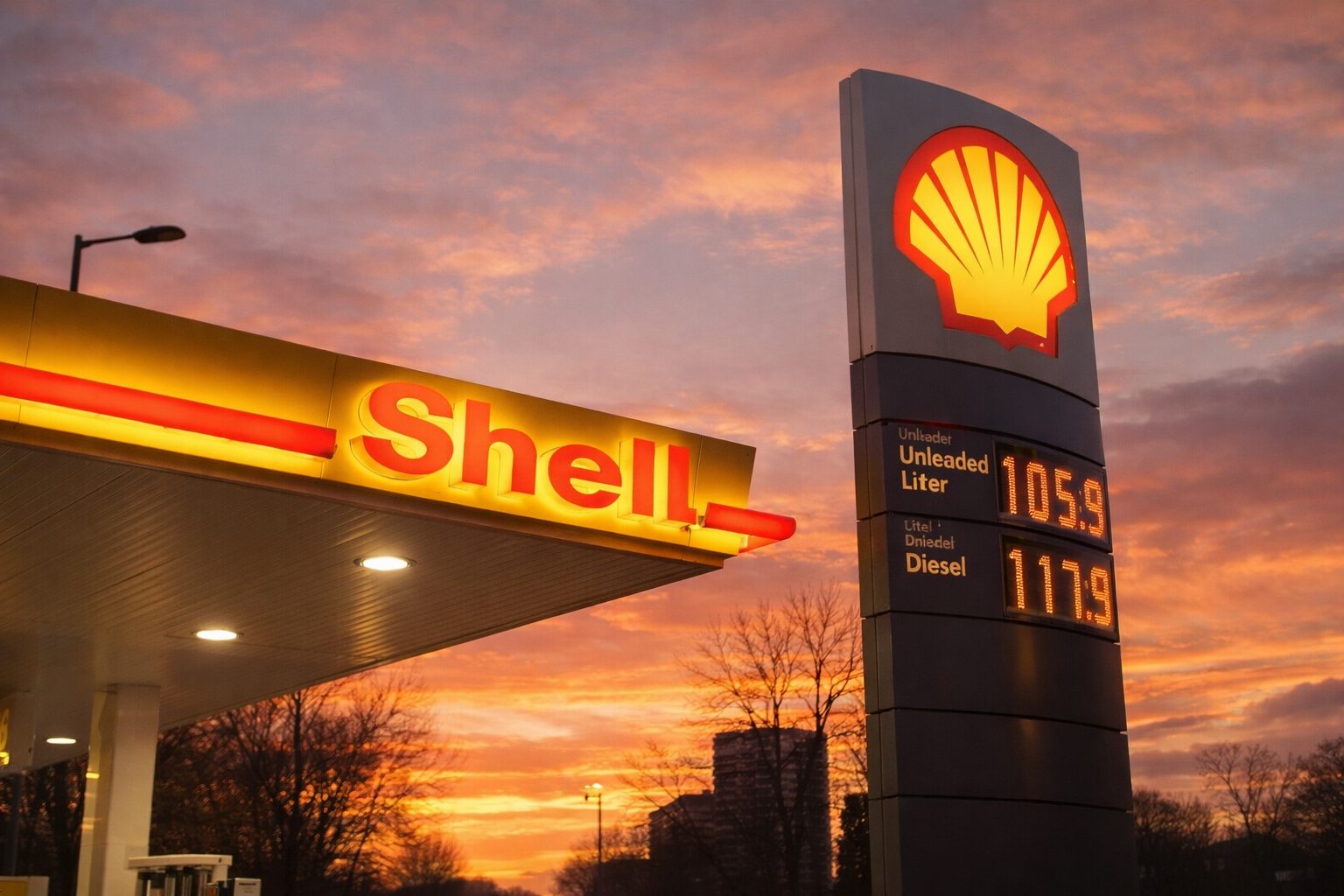
Shell Plc is close to sealing a deal with Venezuela’s government for rights to four offshore gas blocks near Trinidad and Tobago, potentially unlocking around 20 trillion cubic feet of reserves and shoring up supplies for Atlantic LNG. According to two people with knowledge of the matter, Shell is pushing for more territory beyond the well-known Dragon field—something the company acknowledged in an emailed statement as it confirmed its interest in the extra acreage.
Timing’s crucial here. The global liquefied natural gas market has tightened fast—Qatari supply and shipping through the Strait of Hormuz took a hit after the Iran war, and Trinidad’s Atlantic LNG has faced gas shortages, keeping it below full output. Asian spot LNG prices have soared 85% since Feb. 28. Cheniere, for its part, said last week it’s maxed out on capacity.
Buyers are shelling out more for cargoes that are on hand. “Spot prices are good,” said ICIS analyst Wang Yuanda on Wednesday. Cheniere CEO Jack Fusco, for his part, argued the recent shock only highlighted why “diversity of supply” matters. Reuters
The deal on the table covers Dragon—holding 4.2 trillion cubic feet—along with three adjoining sites in the Mariscal Sucre offshore cluster, plus Loran, a 7.3-trillion-cubic-foot field straddling the Trinidad border. Gas tapped from these sources would head to Trinidad, processed and exported via Atlantic LNG. Shell owns a 45% stake there. The plant shipped just under 9 million metric tons last year, still shy of its downsized 12 million-ton annual capacity.
Last week, chief executive Wael Sawan said Shell might sign off on one or two Venezuela projects before the year wraps up, but only if fiscal and legal terms get better. The focus for now, he noted, is “more geared towards gas, and in particular gas that can be monetized through LNG.” Reuters
Chevron is set to give up its interests in blocks on the Venezuelan side of Loran, opening the door for Shell to potentially expand, according to people familiar with the matter. BP has a stake here too—it partners with Shell and Trinidad’s National Gas Company in Atlantic LNG, where operations have run up against tight gas supplies.
Shell’s recent discussions follow a series of deals inked with Venezuela back in March, spanning everything from offshore gas to onshore oil and gas projects, as well as joint efforts with service companies on technical and commercial fronts. Trinidad’s Energy Minister Roodal Moonilal, commenting at the time, flagged the third quarter of 2027 as the earliest window for first gas from Dragon to reach Trinidad—assuming the current framework stays in place.
The broader effort faces sticking points. Russian-held stakes in the two Mariscal Sucre fields are unresolved, and Shell is still waiting for concrete fiscal terms and stronger legal guarantees. U.S. sanctions approvals have tripped up Dragon before. Venezuela’s energy system, hampered by years of underinvestment, could push the timetable further out.
Shell pointed to Loran’s location near its Manatee project as a key draw. The next step: a green light on Dragon. Sources and Sawan told Reuters that could arrive before the year wraps up, assuming the outlook brightens.