
LONDON, April 6, 2026, 19:07 BST
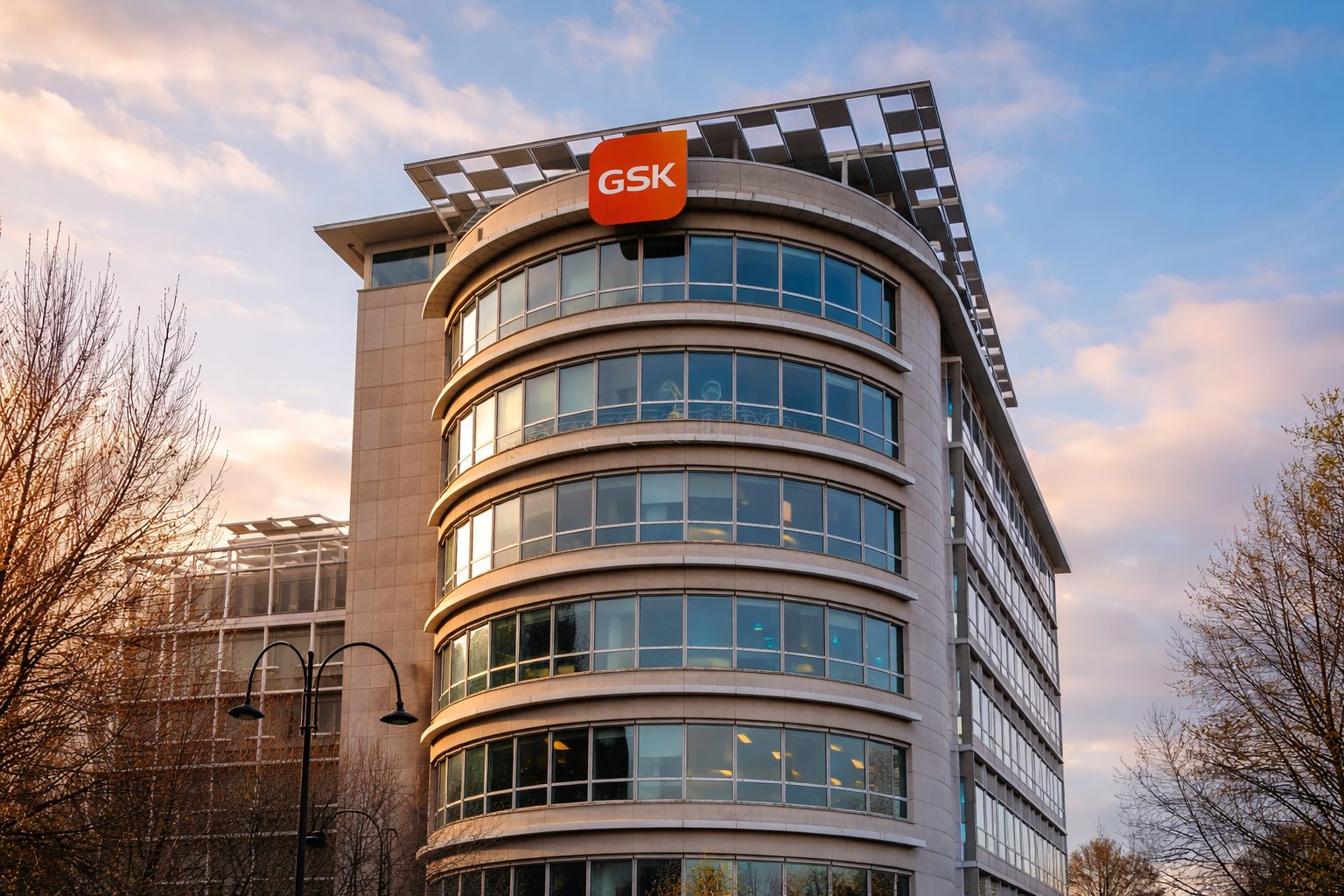
GSK’s U.S. shares slipped roughly 0.7%, closing at $56.29 on Monday, as the market weighed the implications of a freshly completed U.S.-UK medicines agreement for the British pharma giant. This comes on the heels of recent moves around tariffs and drug pricing in the industry.
Timing’s key here. GSK, one of the big pharma names protected by tariffs, lands its first-quarter report on April 29—so investors don’t have to wait long to see if that policy buffer is holding up.
Last week, Britain announced a deal that locks in zero U.S. tariffs on UK-manufactured medicines for at least three years. In exchange, London will boost the net price the National Health Service pays for new drugs by 25% starting April 2026, and will revise elements of the NICE framework—the system the agency uses to assess whether new treatments are cost-effective enough for NHS funding.
GSK says the signed deal locks in zero tariffs for medicines and offers a better climate for UK operations. AstraZeneca secures similar protection under its own deal, a sign that Washington is tying tariff breaks to pricing agreements.
On Washington’s end, the requirements bite harder. Trump’s April 2 order slapped 100% tariffs on patented drugs that aren’t produced domestically and don’t fall under existing price agreements. Drugmakers that move production to U.S. soil can trim that rate to 20%, and those with “most-favoured-nation” deals dodge the penalty entirely. What it boils down to: the policy pegs new drug prices to the lowest levels offered in other wealthy nations. Reuters
GSK counts itself among 16 major pharmaceutical firms that have gone public with these deals. Back in December, Reuters reported GSK signed on to offer most of its inhaled respiratory treatments and other drugs through a direct-to-patient platform, promising discounts up to 66%, and at the same time, reduced prices for select Medicaid drugs. Regeneron, which had been the only big player still holding out, said last week it also now expects to sidestep the new tariffs.
Even so, the carve-out hardly counts as a straightforward victory. Britain’s agreed to ramp up drug spending and tweak how it assesses the worth of new treatments, and for drugmakers outside the pricing deal, a 100% U.S. tariff still looms. For investors, the puzzle now is whether this tariff clarity just moves the squeeze from trade battles to pricing pressure.
Chief Executive Luke Miels is pushing for quicker action over caution. “We need to accelerate what we have and to add to it via smart business development,” he told Reuters back in February. That was when GSK projected a 3% to 5% sales increase for 2026, excluding currency effects, with specialty medicines slated to outpace both vaccines and general medicines. Reuters
He’s been following through. In February, GSK struck a $950 million deal for Canada’s 35Pharma, having previously targeted RAPT Therapeutics—moves aimed at shoring up the pipeline ahead of looming HIV patent expiries. “Typically we like a programme where the science is reasonably established,” Miels said. Reuters
Analysts now see GSK’s 2026 turnover hitting 33.7 billion pounds—14.9 billion from specialty medicines, according to estimates from 14 firms. The first-quarter numbers drop April 29, giving investors a clearer shot at judging whether those forecasts survive amid tougher pricing and tariffs.