
TAIPEI, April 10, 2026, 02:15 GMT+8
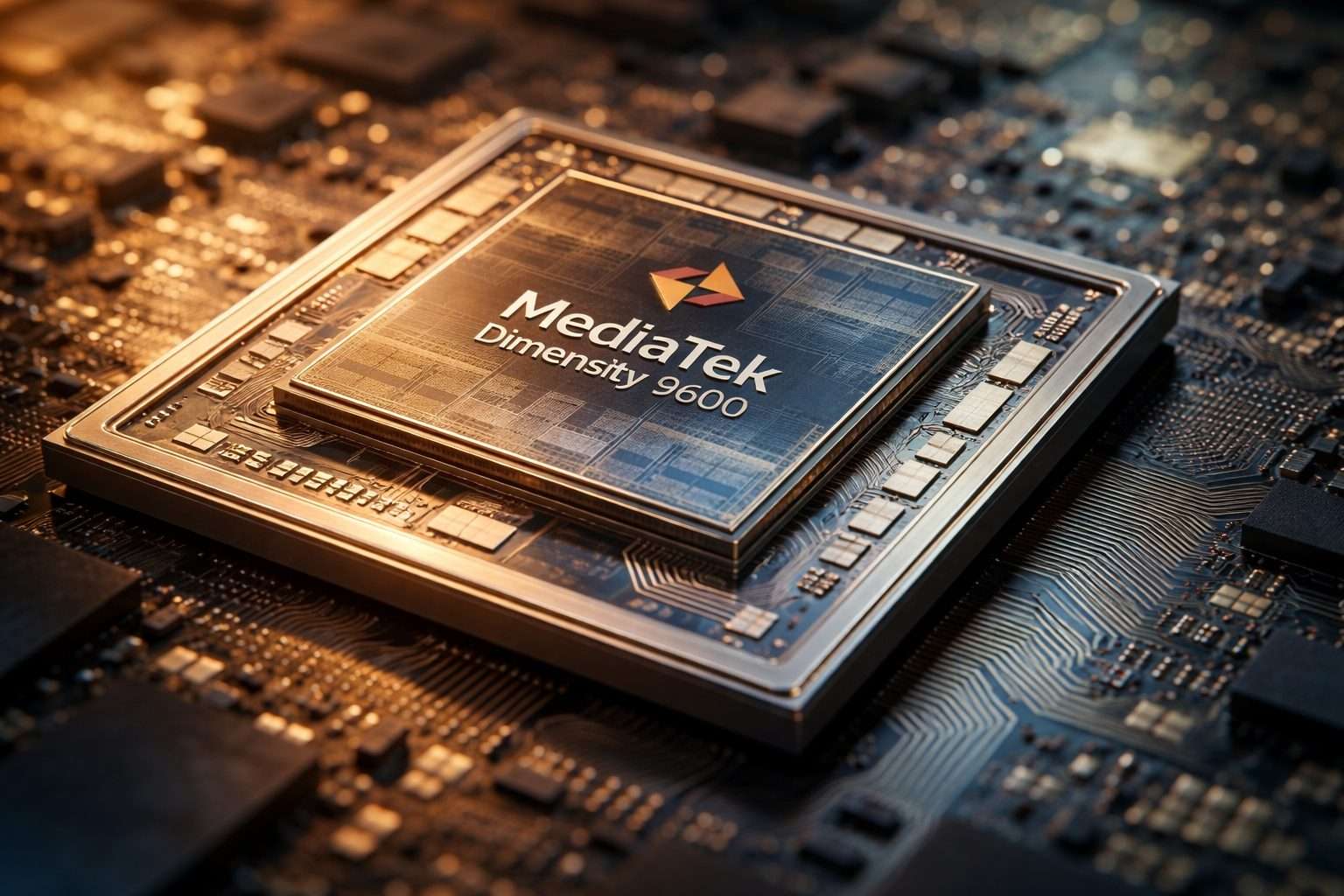
MediaTek’s upcoming flagship chip might be in for a bigger jump than many were betting on. According to reports out within the last 24 hours, the so-called Dimensity 9600 Pro could adopt a dual-prime-core CPU setup—2+3+3—paired with TSMC’s improved 2nm N2P process, and reportedly aiming for peak frequencies nearly hitting 5GHz.
This leak could be significant for MediaTek, signaling the company’s most dramatic architectural change since the Dimensity 9500 and potentially impacting the landscape for premium Android phones due out in late 2026. The 9500 itself features a 4.21GHz ultra core in a 1+3+4 configuration—all high-performance cores, skipping smaller efficiency ones—and is built on a 3nm process. MediaTek has confirmed its first flagship SoC using TSMC’s N2P node is set for volume production toward the end of 2026.
The info pipeline still points back to Digital Chat Station’s Weibo, so the specs aren’t locked in yet. That said, independent leaks stack up with largely the same loadout: a pair of “Canyon” cores, three “Gelas-b,” three more “Gelas,” LPDDR6 RAM, UFS 5.0 storage—the next-gen standard for mobile memory and flash. There’s also a fresh Arm GPU in the mix, dubbed Magni in the leaks. Beebom Gadgets
The reports also indicated the chip keeps SME2—Scalable Matrix Extension 2—an Arm CPU addition aimed at accelerating on-device AI computations, including speech, vision, and large language model tasks. That’s key, since today’s top-end phones are being pitched just as much on their AI chops as their graphics muscle or CPU horsepower.
N2P represents TSMC’s upgraded take on the 2nm node. According to TSMC, the process can push performance up by around 18% at equal power, or lower power draw by about 36% running at the same speed, compared to its 3nm standard N3E. The company expects N2P to be the main driver of 2nm uptake—though those numbers reflect process potential, not what a finished handset chip will necessarily deliver.
Still, those same leaks fueling the 5GHz headlines flagged a key problem: heat. According to Wccftech, Notebookcheck and Beebom, the Pro variant might only briefly touch that speed before dialing back, unless manufacturers opt for bigger vapor chambers or push cooling further to fight off thermal throttling—the system that automatically slows a chip down to keep temperatures in check.
MediaTek has already outlined a wider roadmap. Back in May 2025, Reuters reported that CEO Rick Tsai anticipated the company’s 2nm chip would tape out at TSMC that September. Sure enough, by September, MediaTek confirmed it had reached that milestone, eyeing volume production for late 2026. President Joe Chen said the goal was to bring “the highest performance and power efficiency from the edge to the cloud.” Reuters
If that schedule holds, MediaTek lands on about the same node cycle as Qualcomm. Back in January, Reuters said Qualcomm was in discussions with Samsung Electronics for contract manufacturing 2nm chips. MediaTek pitched its Dimensity 9500, launched last year, as the company’s most advanced mobile platform—clear signal that its current strategy is leaning hard into the premium phone segment.
Specs are one thing, but the reality for chipmakers looks tougher than any chart. Back in February, Tsai said MediaTek would tweak prices in line with rising supply-chain expenses. Over at Qualcomm, Chief Executive Cristiano Amon flagged an “industry-wide memory shortage and price increases” as headwinds for handset shipments this year. Reuters
That squeeze isn’t just academic: IDC sees the global smartphone market bracing for its sharpest-ever decline in 2026, blaming higher memory prices. Francisco Jeronimo at IDC called it a “tsunami-like shock.” Over at Counterpoint, Tarun Pathak said back in January the market was already softening, hit by chip shortages and pricier components. So if MediaTek’s Dimensity 9600 Pro lands anywhere near what the leaks suggest, it could crank up the pressure on Qualcomm—on paper, at least. Still, turning that 5GHz spec from rumor into a real flagship chip will come down to handling heat and keeping costs in check, not just headline clock speeds.