
CUPERTINO, California, April 15, 2026, 07:10 PDT
Apple’s foldable iPhone remains on track for a September release, but fresh supply chain chatter suggests early units could be in short supply. 9to5Mac flagged a Digitimes report on April 13 showing mass production is now pushed to August instead of July—tightening Apple’s timeline to build inventory before launch. Bloomberg still expects the foldable to land alongside the iPhone 18 Pro and Pro Max.
Apple hasn’t jumped into foldables yet, leaving the field to Samsung and Huawei for now. But new reports suggest the tech giant is closing in on fixes for two nagging foldable issues: fragile screens and the notorious crease at the fold. According to a TrendForce note from April 13, Apple could snag nearly a 20% share of the foldable smartphone market by 2026—a major splash for its first entry.
Bloomberg reported last week that Apple is targeting a September launch for the device, eyeing sales that may start with or soon after the usual Pro models hit shelves. Still, buyers could run into limited stock for several weeks, with supply hampered by complex materials and advanced display technology. Officially, Apple hasn’t announced a foldable iPhone. The company declined to comment to Bloomberg when asked.
Apple’s latest approach to tackling the crease issue shifts the spotlight beyond just the hinge. TrendForce reports that Apple is experimenting with ultra-thin glass—layers of different thickness—paired with an optically clear adhesive inside the display stack. The idea: the adhesive absorbs stress when the device folds, filling in those tiny surface flaws over time. Macworld, also citing the TrendForce report, noted that this technique expands on earlier strategies using Samsung’s panels and laser-drilled metal plates to manage stress from bending.
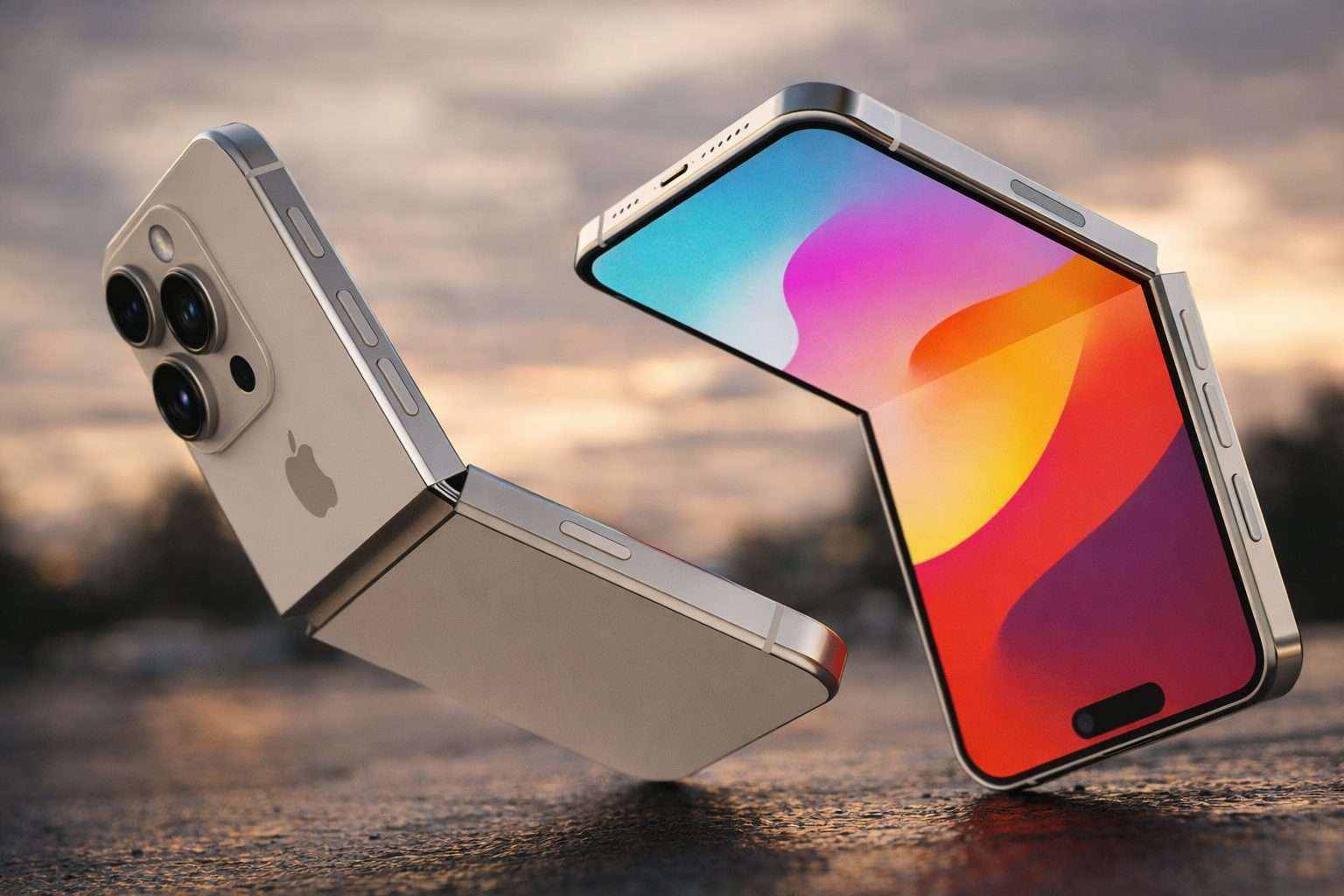
Fresh clues on the hardware popped up after the newest batch of dummy models hit the web. Leaker Sonny Dickson shared photos—various outlets ran with them—showing off a phone with a wide, almost bookish build and a pill-style camera bar on its rear. But these mockups typically land with accessory makers and don’t guarantee we’re seeing the final design.
The broader layout fits what earlier reports have described: Apple wants a foldable with a landscape-first inner screen—think more space for watching shows, gaming, and apps you’d expect on an iPad. This shift happens as Huawei unveils its wide Pura X Max, highlighting the rapid changes in the segment, all before Apple has even stepped in.
Analysts don’t see the schedule slipping yet, even if the window is tight. Erik Woodring at Morgan Stanley told clients he hasn’t “picked up on any delay” regarding launch timing. Amit Daryanani over at Evercore ISI echoed that view, calling a delay “unlikely” and maintaining his September launch forecast, according to note recaps. Bloomberg, meanwhile, still pegs the device’s price at more than $2,000. MacDailyNews
The timeline keeps wobbling. Reuters, citing Nikkei Asia, highlighted new engineering issues cropping up in early tests—delays could run several months if those persist. Bloomberg chimed in: since full-scale production hasn’t started, nothing is nailed down. Apple’s stuck straddling the gap—maybe close to a foldable debut this year, but nowhere near certain that launch actually means devices in stores.