
Seattle — April 15, 2026, 10:12 PDT.
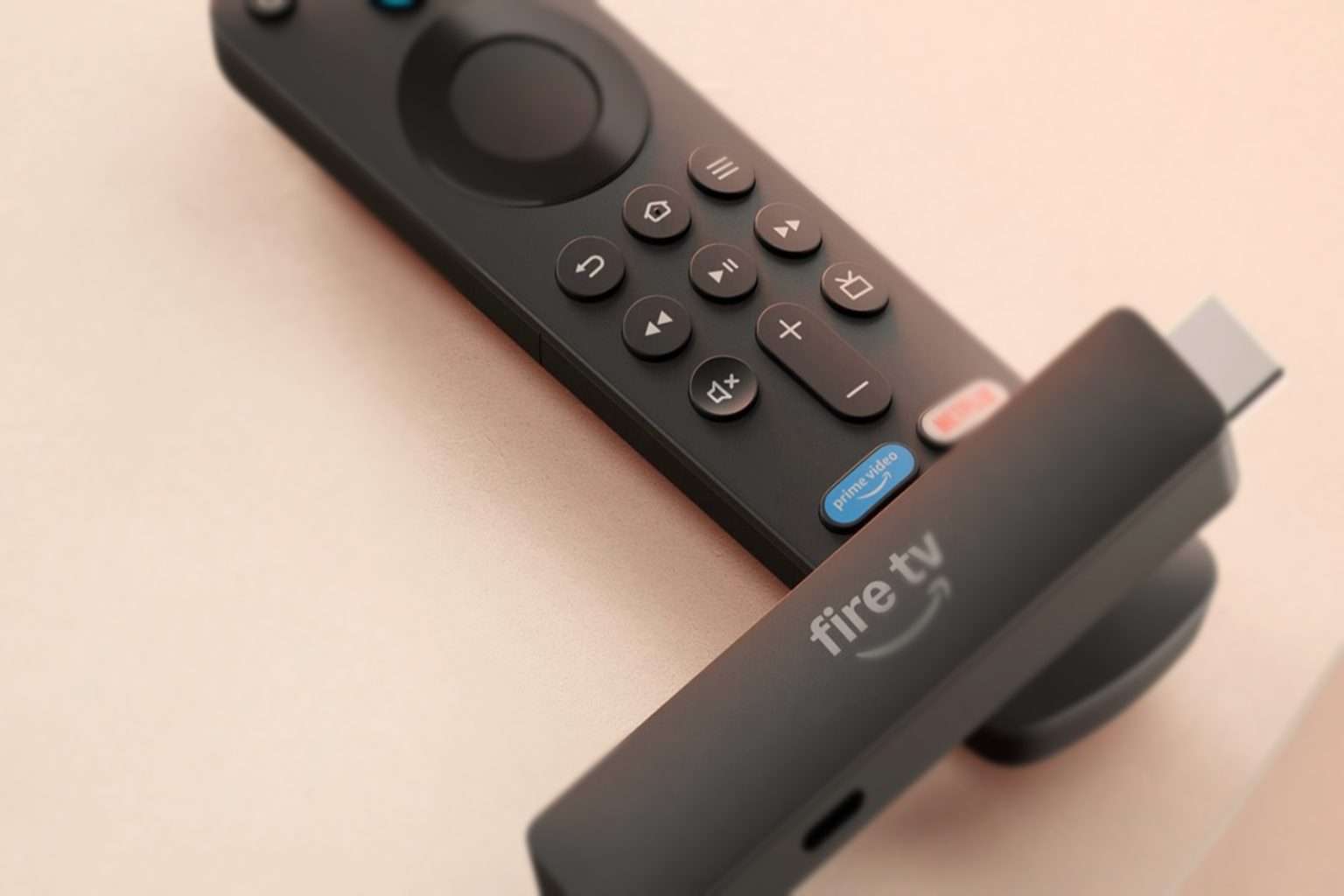
Amazon introduced a slimmer Fire TV Stick HD on Wednesday, setting its price at $34.99 and opening preorders for its first Ember Artline TVs. The company’s latest streaming stick will ship later this month. Ember Artline models, targeting the wall-art TV segment, start at $899.99 and are scheduled to begin shipping to customers in the U.S. and Canada on April 22.
So why should this launch matter? Amazon isn’t selling Fire TV as just another streaming box—it’s positioning the device as an answer to what’s become an exhausting streaming maze. The average U.S. viewer now spends 12 minutes picking something to watch, up from 10.5 minutes a year ago, Gracenote data shows. That’s the frustration Amazon wants to target, unveiling a broader Fire TV overhaul and fresh Alexa+ search tools.
Amazon’s latest Fire TV Stick HD shrinks down by about 30% compared to its earlier HD version, and it’s also more than 30% faster than the old model. Users can now power it right from the TV’s USB port—no need for a wall plug. The device brings Wi‑Fi 6, Bluetooth 5.3, and Alexa+ into play for customers in the U.S., Canada, and the UK, Amazon said.
Amazon’s Fire TV just got a major facelift, according to Aidan Marcuss, the company’s VP for the device. He described the new interface last month as “cleaner, faster, and better organized.” Beneath the surface, the code’s been rebuilt from the ground up, letting current hardware run things up to 30% quicker. StreamTV Insider
Back in March, Parks Associates analyst Michael Goodman labeled the redesign as leaning harder into “content-discovery-focused.” Rather than just piling on more apps, Amazon’s move, he said, cuts down the search loop. StreamTV Insider
Amazon’s revamped Fire TV interface arrives pre-installed on the stick, along with Adaptive Display, an accessibility feature that enlarges text and menus but leaves screen images sharp, according to The Verge. For Amazon, this redesign is more than just a facelift—it’s the most substantial Fire TV update in years and central to weaving Alexa+ deeper into entertainment discovery and smart-home controls.
Amazon’s Ember Artline lineup expands to 55- and 65-inch models, both sporting matte 4K QLED displays—quantum-dot LCD for less glare, deeper colors. Buyers get access to over 2,000 artworks at no extra charge. There are 10 frame colors, hands-free Alexa+, plus “Match the Room,” which picks art after users upload a room photo. First shipments go out May 7 to customers in Britain and Germany. Amazon News
That move puts Amazon head-to-head with Samsung’s Frame lineup. TechCrunch noted that Amazon gave a first look at Artline at CES in January. The Verge flagged that Artline is joining a category of TVs designed to act as decorative wall art when they’re off.
But there’s a hitch here. Streaming analyst Dan Rayburn didn’t mince words on LinkedIn, labeling the shift to the new stick “very bad news for consumers”—assuming Amazon keeps rolling out Fire TV devices with Vega OS. The sticking point is sideloading. If that becomes tougher, Rayburn warns, users could see fewer app options. LinkedIn
Samsung isn’t alone in raising the stakes. Early Wednesday, The Verge reported Walmart is launching an updated Onn 4K Pro streaming box. The device adds Google’s Gemini assistant, as well as support for the increasingly expected Matter smart-home standard. Amazon shares slipped about 0.4% during morning hours.