
CUPERTINO, California, April 20, 2026, 09:36 PDT
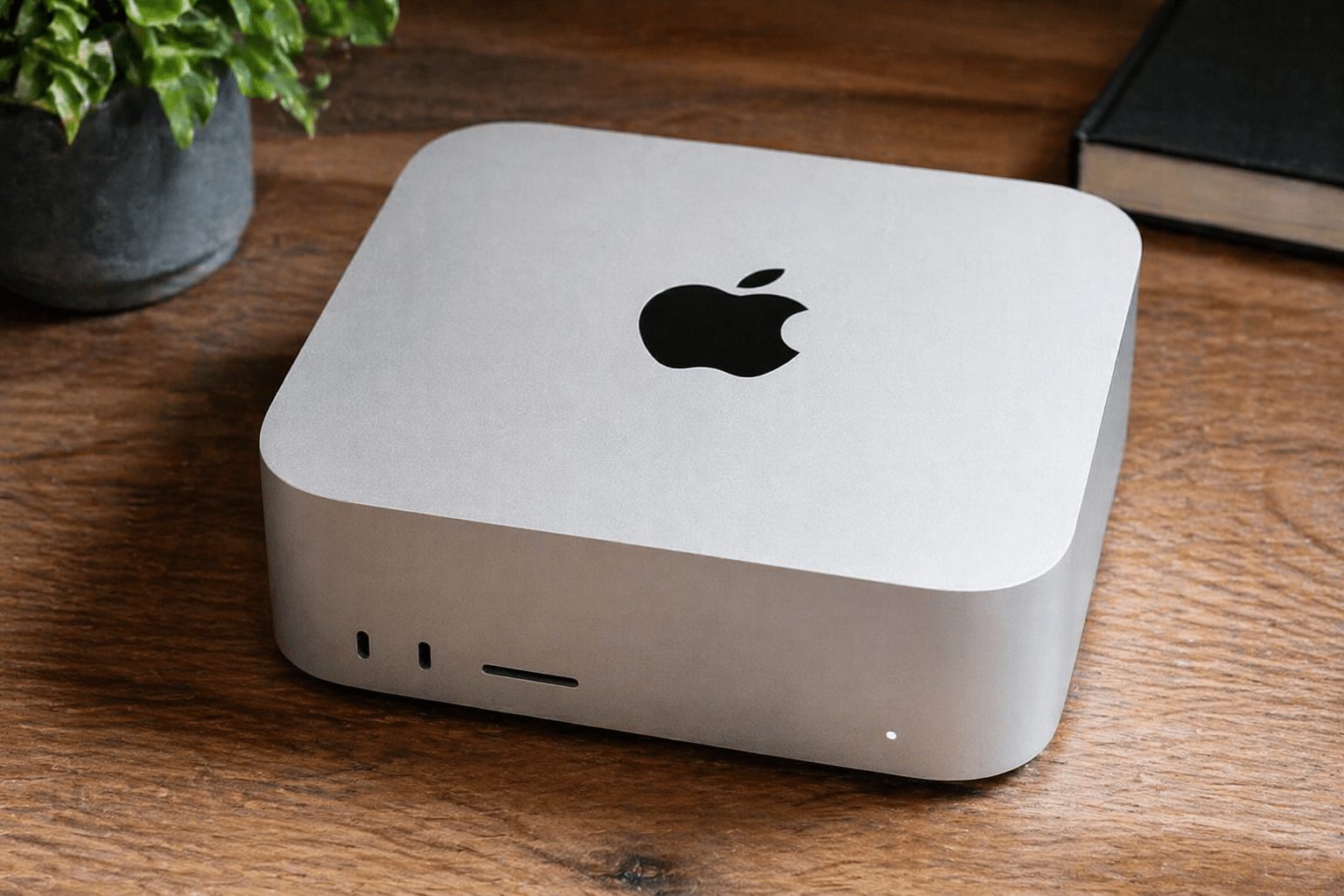
Apple’s upcoming Mac Studio, along with its much-anticipated first touchscreen MacBook Pro, could hit shelves later than previously expected. The delay stems from the ongoing global memory shortage, Bloomberg’s Mark Gurman reported. On Sunday, Bloomberg noted the shortage may push back the launch dates for both the new Mac Studio and the touch-enabled MacBook Pro.
Timing is key here: Apple’s pro Mac lineup was already on a tight schedule. The Mac Studio update had been pegged for mid-2026, but sources inside the company now expect those models to slip to around October. As for the touchscreen MacBook Pro, that’s looking less like a late-2026 launch and more like early 2027, according to MacRumors.
That shift would bump a major desktop Mac refresh out of Apple’s typical June developer event cycle, landing it nearer to the period after iPhone launches. Apple stock gained roughly 0.9%, trading at $272.54 in the morning.
Apple’s Mac Studio is reportedly on track for an upgrade, this time with M5 Max and M5 Ultra chips under the hood. Over on the MacBook Pro side, the top-tier refresh could introduce touch input, OLED screens, and M6-class chips into the mix. Right now, Mac Studio models use M4 Max and M3 Ultra chips, targeting pro users who rely on plenty of memory and quick storage for demanding tasks—media, AI, software development.
Memory is where things are getting squeezed. With AI data centers drawing down inventory, both DRAM—the main memory in computers—and NAND flash, found in SSDs, are seeing supply tighten up. TrendForce is calling for conventional DRAM contract prices to jump 58% to 63% quarter over quarter in the second quarter of 2026. NAND flash? Even steeper: a projected 70% to 75% surge.
Apple tends to wield more bargaining power than most device manufacturers, but that doesn’t mean it gets off scot-free. “Better-positioned” is how Morningstar’s William Kerwin described Apple’s contract-buying approach to Reuters—still, he pointed out, “isn’t immune” to rising input prices. The squeeze could also chill demand: “more tepid consumer device sales” are on the table this year, Emarketer’s Jacob Bourne warned. Reuters
Apple isn’t the only one feeling the pressure. Back in January, Reuters flagged that Dell and Lenovo might push through price increases of up to 20%, citing TrendForce projections. HP’s Enrique Lores also told investors the company would hike PC prices to offset hefty memory bills.
Apple’s delay seems to come down to supply issues, not unfinished software. According to 9to5Mac, which referenced Gurman, the necessary software updates for a touchscreen MacBook Pro—expected as part of macOS 27—should be ready by fall. That leaves hardware, specifically RAM and SSD storage, as the sticking points.
The timeline isn’t locked in yet. Apple hasn’t confirmed either device, and launch schedules have a way of slipping before mass production gets underway. If memory remains scarce, Apple could push launches back until stockpiles improve—or just hike prices on top-tier models to guard its margins.
This isn’t just about whatever’s happening with Mac sales right now. On Monday, Morgan Stanley pointed to a wave of more autonomous AI tools that could push compute bottlenecks onto CPUs and memory—potentially a boon for memory demand and, for chipmakers facing tight supply, serious pricing leverage. Now, that shift is starting to reach the segment Apple once defended best.