
FRANKFURT, April 22, 2026, 13:13 CEST
- Lufthansa Group plans to drop 20,000 short-haul flights through October, expecting to save over 40,000 metric tons of jet fuel with the reduction.
- Summer capacity gets trimmed by under 1% in available seat kilometers—that’s seats times distance flown.
- Fuel supply is locked in for the next few weeks, according to the airline, though its summer schedule remains under review.
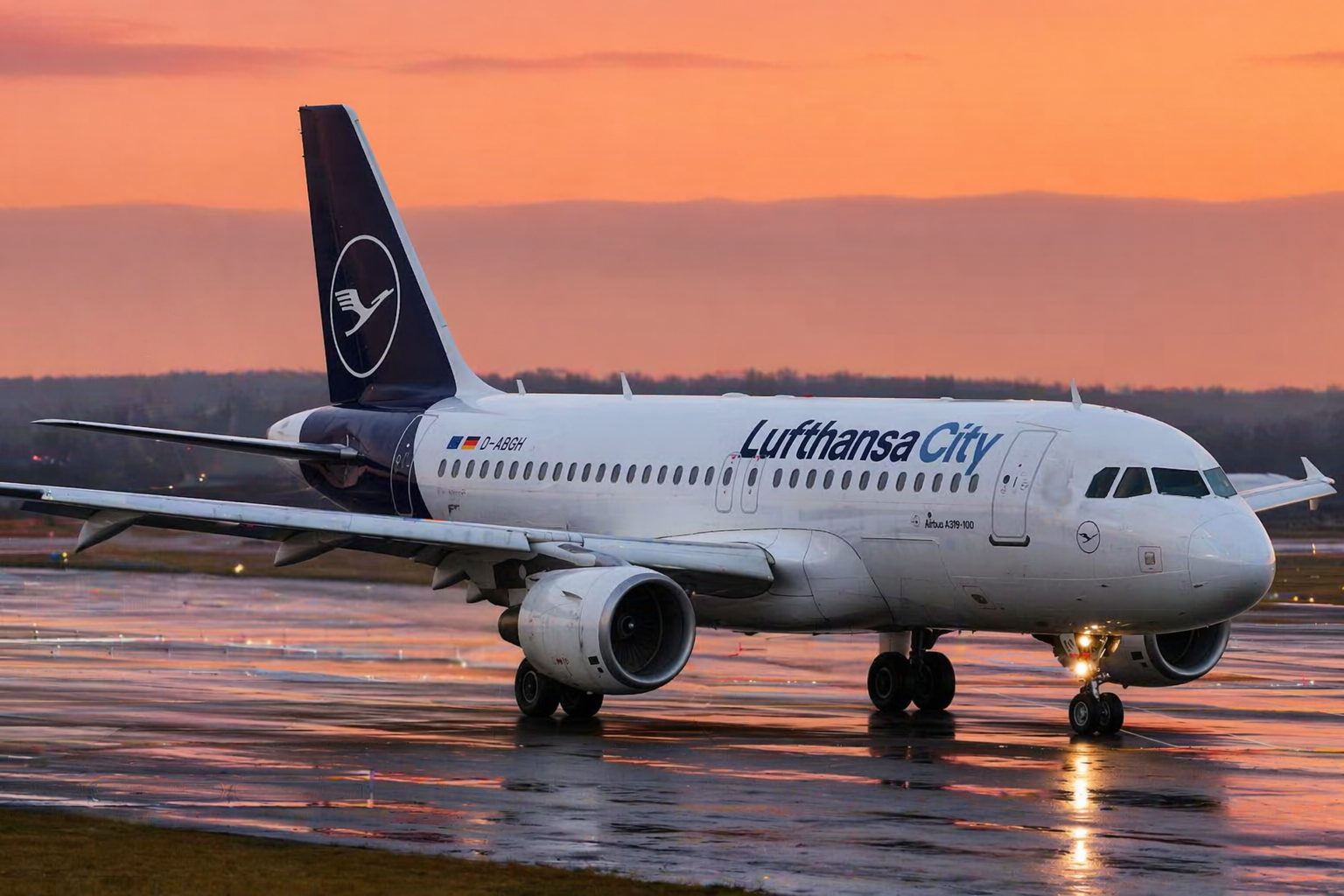
Lufthansa Group is set to slash 20,000 short-haul flights from its summer schedule, stretching through October. The move is the most concrete signal yet that Europe’s jet-fuel crunch is forcing carriers to pull back just as the busy season arrives. According to the German airline group, the reduction will trim more than 40,000 metric tons of jet fuel, while the overall drop in capacity comes in at less than 1% measured by available seat kilometers—ASK, the industry’s standard for seats times distance flown.
This shift takes on fresh urgency: fuel already tops the list of variable costs for most carriers, and Lufthansa says jet fuel prices have now doubled since the Iran conflict began. To cope, the airline is axing unprofitable short-haul routes but holding onto long-haul flights—those still depend on key feeder traffic moving through major hubs like Frankfurt and Munich.
Lufthansa began cutting 120 flights per day as of Monday, a measure set to last until May 31. The airline said it has already informed impacted travelers. Flights from Frankfurt to Bydgoszcz and Rzeszów in Poland, as well as Stavanger, Norway, have been pulled from the timetable for now.
Lufthansa is shaking up operations at all six of its hubs—Frankfurt, Munich, Zurich, Vienna, Brussels and Rome. The airline group plans to pull back on money-losing routes in Frankfurt and Munich, but it’s rolling out more capacity on select lines from Zurich, Vienna and Brussels. That move shifts some of the burden among the group’s carriers: Lufthansa Airlines, Swiss, Austrian Airlines, Brussels Airlines and ITA Airways.
Lufthansa is speeding up the fleet changes it laid out just last week. The group now plans to take 27 Lufthansa CityLine planes out of service for good, pull the final four Airbus A340-600s from its mainline fleet in October, and park two Boeing 747-400s for the winter.
Till Streichert, Lufthansa’s Chief Financial Officer, called the package “unavoidable,” blaming surging kerosene prices and geopolitical turmoil. Streichert added Lufthansa was already preparing to cut CityLine from the programme, but the crisis brought the decision forward, describing it as “a painful step” for employees at the regional carrier. Lufthansa Group Newsroom
The company disclosed that about 80% of its passenger airlines’ fuel is hedged, locking in prices for most of its needs. The other 20%? Lufthansa still has to pay steeper market rates on that share. The latest measures, according to Lufthansa, will trim that costly, unhedged slice by roughly 10%.
Still, there’s a catch. Lufthansa says it has fuel locked in for the next several weeks and predicts stable supplies for its summer schedule. Even so, the airline is still tweaking its medium-term route map, with more updates to come—expect fresh schedule changes by late April or early May. Until then, passengers flying short-haul routes into the big hubs may be left guessing.
Lufthansa isn’t the only one feeling the strain. Just last week, Reuters flagged that easyJet signaled bookings are trailing behind last year. Shares in Ryanair, Wizz Air, and Lufthansa all dropped as investors considered rising fuel costs and the threat of cuts to airline capacity. Dudley Shanley, aviation chief at Goodbody, said airlines will likely have to trim profit forecasts, with sluggish bookings and weaker yields starting to rattle investors.
Germany is pushing back against worries about a jet-fuel crunch. Economy Minister Katherina Reiche insisted on Tuesday that supplies remain secure, pointing to refineries ramping up to meet heavier demand. Over at the German aviation association BDL, director general Joachim Lang flagged price as the bigger headache—availability, he said, is less of an issue.
Passenger groups, along with travel sellers, aren’t likely to take their eyes off the upcoming Lufthansa schedule update. Simon Calder, travel correspondent for The Independent, pointed out aviation’s thin profit margins—flights barely in the black can swing deep into the red as fuel costs surge. Some of those canceled flights, Calder added, might be absorbed by rerouting passengers through nearby airports or shifting them to different departures.
The bigger worry: extended fuel shortages could trigger more flight cancellations, higher fares, or even drag the government into the mix. Airlines UK is already pressing British ministers to loosen up on slot requirements and passenger compensation rules if the fuel situation deteriorates further. IATA Director General Willie Walsh, for his part, wants authorities to lay out detailed contingency plans should fuel rationing come into play.