
London, April 22, 2026, 13:09 (BST)
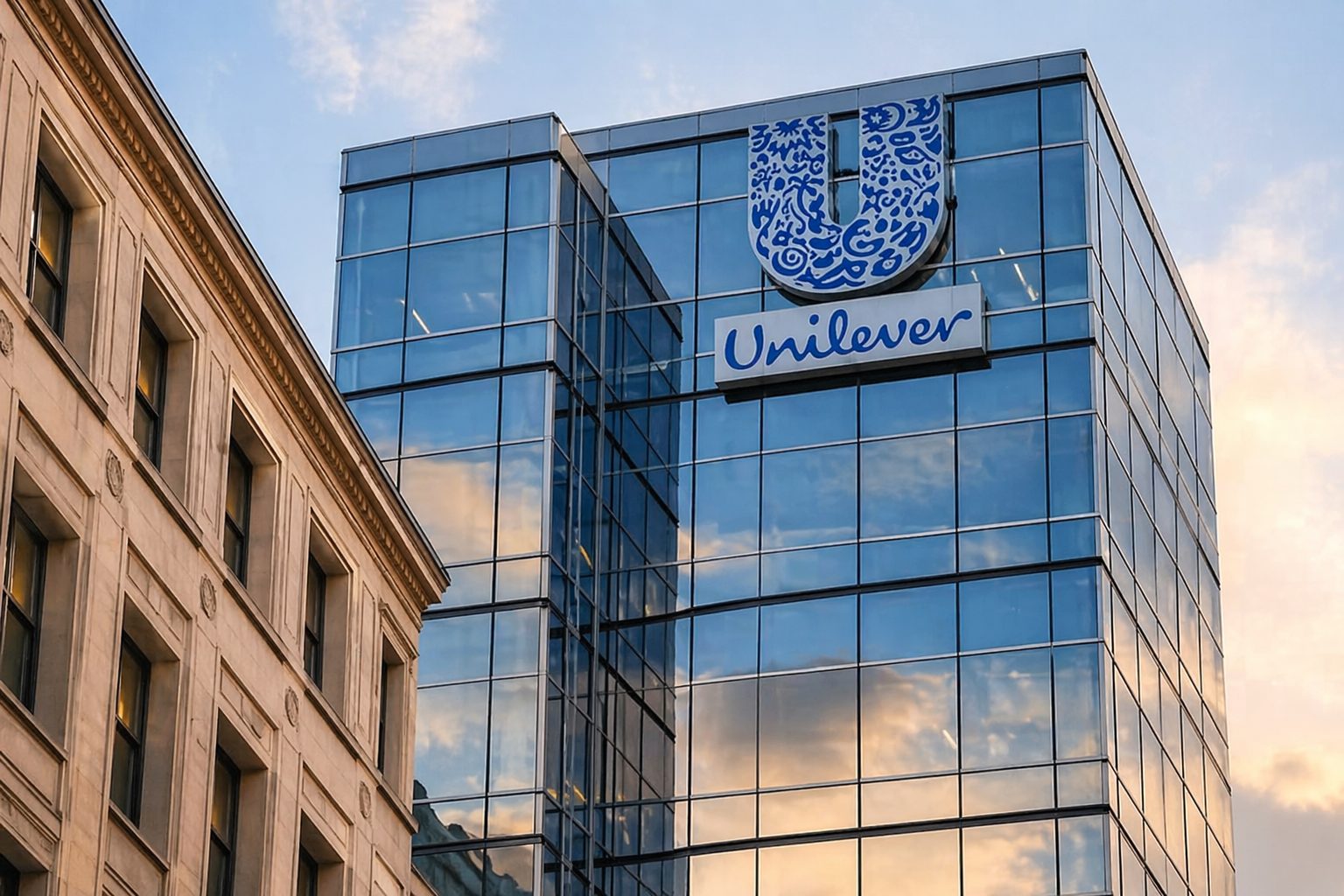
Unilever PLC’s European employees are demanding guarantees on job security as the company pushes ahead with its plan to merge its foods division with McCormick. The labor concerns now throw an extra challenge at Chief Executive Fernando Fernandez, who is orchestrating what’s shaping up to be his most ambitious overhaul so far.
The Unilever European Works Council, which represents roughly 20,000 staff across Europe and the UK, met with Fernandez last week and is pushing for protections on par with those offered in the Magnum ice cream carve-out, according to a memo seen by Reuters. That push could end up driving costs higher, stretch out consultations, and make it tougher to complete the deal that would narrow Unilever’s focus to beauty, wellbeing, personal care, and home care.
This comes at a tricky moment. With Unilever’s first-quarter trading statement set for April 30 at 08:00 UK time, investors are already watching for any hint that the core business can generate growth as management tackles another big carve-out. According to Unilever’s own analyst consensus, underlying sales growth—which strips out currency effects and deal-related changes—is expected at 3.6% for the quarter.
Unilever’s March deal with McCormick would see Knorr, Hellmann’s, Cholula, French’s and a slate of other brands folded into a combined foods company expected to generate around $20 billion in revenue next year. Under the terms, Unilever and its shareholders get 65% of the new entity’s equity—worth $29.1 billion—plus a $15.7 billion cash payout. The companies together put a $44.8 billion price tag on Unilever Foods.
Fernandez described the transaction as “another decisive step” toward refining Unilever’s portfolio. On the other side, McCormick CEO Brendan Foley said bringing the two together would push McCormick’s focus on flavour even further. Under the plan, the merged entity sticks with the McCormick name, its New York listing stays, headquarters remain in Hunt Valley, Maryland, and it will add an international base in the Netherlands.
The council is pushing for at least three years’ protection for foods employees—well beyond the minimum guaranteed by European law, which only mandates a one-year safeguard on employment terms. That demand lines up with the more robust protections hammered out for the Magnum spin-off.
This isn’t just playing out in Europe. According to the International Union of Food, workers outside Europe haven’t received any formal consultation process so far—even though emerging markets made up 59% of Unilever’s 2025 turnover. “There’s a lack of information on the ground,” said Sarah Meyer, who heads international food-processing at the IUF, in an interview with Reuters. She described “uncertainty and concern” among workers, whether they’re set to join the new company or remain with Unilever.
Shareholder nerves showed quickly: shares in both Unilever and McCormick dropped after the announcement. Chris Beckett at Quilter Cheviot flagged regulatory unknowns and pointed to the complexity of folding such a wide-ranging food business together. RBC’s James Edward Jones raised a different concern—he questioned Unilever’s decision to relinquish full control of key brands like Knorr and Hellmann’s, yet still saddle its investors with a significant stake in the merged entity.
McCormick is wagering that sauces, spices, and cooking aids will weather shifting diets and more at-home cooking, outlasting some other packaged-food segments. “We’ll continue to flavor calories while others fight for them,” Foley told investors. Mike Anstey at Pilot Lite added, the deal might let McCormick bring extra nutritional and functional perks to food. Reuters
Competitive dynamics remain complicated. Kraft Heinz had been in talks with Unilever to potentially merge parts of their food and condiments arms, but those negotiations fizzled out. Nestle India, meanwhile, reported a 26% jump in quarterly profit on Tuesday, fueled by robust packaged food demand. All of this underscores that Unilever walking away from foods isn’t just leaving a stagnant segment—it’s a calculated move, betting that a sharper focus on home and personal care will draw higher investor valuations.
The road ahead isn’t smooth. McCormick shareholders still need to sign off, and regulators haven’t weighed in yet; Unilever is sticking to its timeline, aiming for a mid-2027 close. In its pre-close update, Unilever made it clear there’s no immediate shift in how it reports Unilever Foods—nothing changes for now, the unit stays put while employees, regulators, and investors sort through what the separation might actually look like.