
CAPE TOWN, April 22, 2026, 14:10 SAST
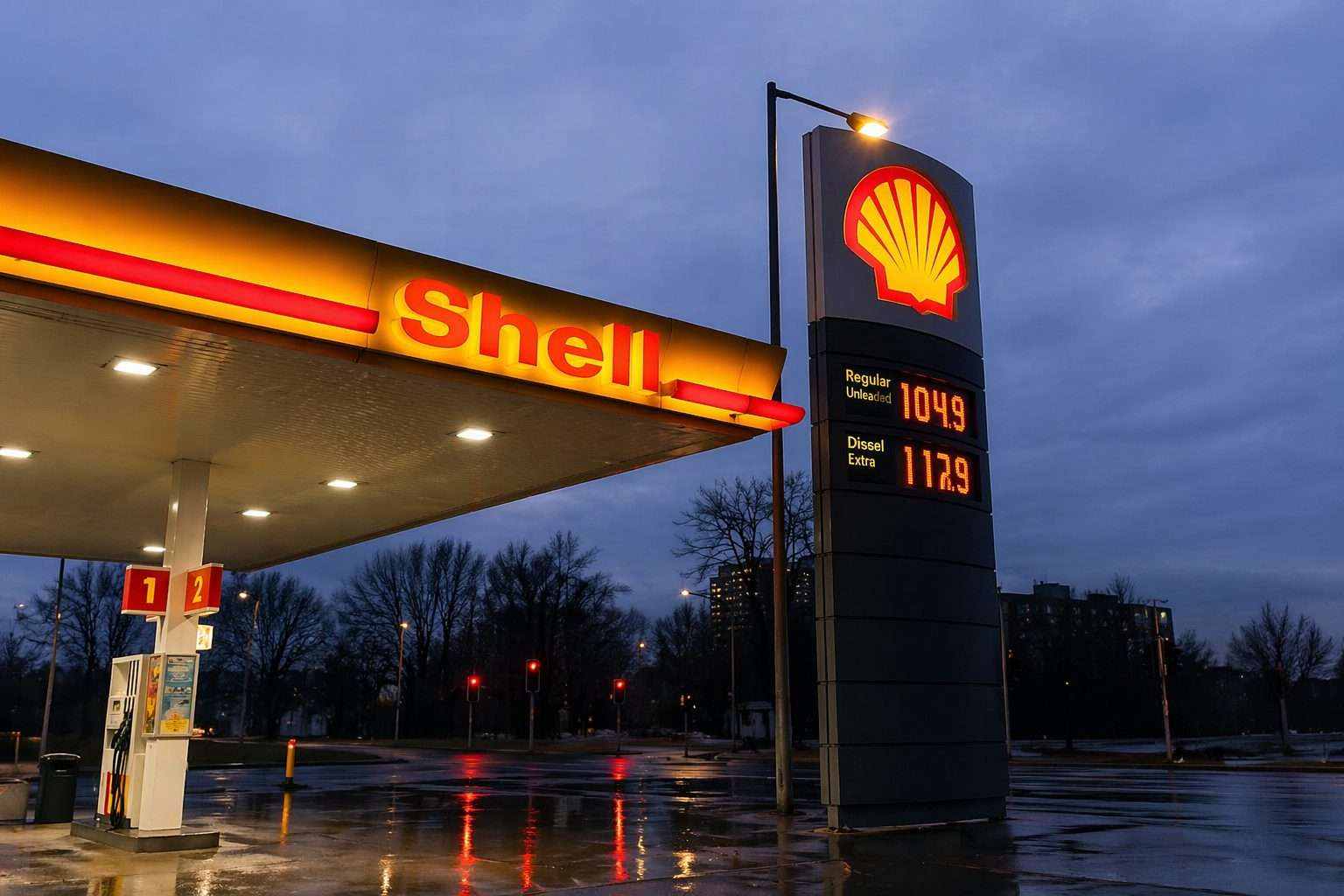
Shell Plc has picked up a reconnaissance permit from Sierra Leone, clearing the way for the oil giant to conduct detailed geological and geophysical surveys on several offshore blocks. It’s a shot at attracting more international investment into Sierra Leone’s deepwater basin. The permit stretches over roughly 20,600 square kilometres and greenlights basin modelling and petroleum systems analysis—methods for testing the commercial potential of oil and gas reserves.
For Shell, the deal offers a cheap, early shot at a frontier basin—at a time when investors are pressing major energy firms to tighten up their exploration budgets.
Sierra Leone isn’t chasing a producing well right now. What’s at stake: sharper data. Officials are betting that with more to show, future licensing rounds could draw operators ready to spend on drilling, and with less guesswork.
The deal closely follows an agreement struck with Eni back in October, aiming to shed more light on Sierra Leone’s deepwater oil and gas prospects. “Our strategy is deliberately focused on de-risking the basin through high-quality data, attracting credible global players and accelerating the pathway towards exploration drilling,” said Foday Mansaray, director general of the Petroleum Directorate of Sierra Leone, in a statement. Shell, for its part, noted it often uses non-binding government pacts as a way to gather data and weigh its options; this permit doesn’t lock the company into any development. MarketScreener
Not exactly a neat timeline. Just one day before, Friends of the Earth Netherlands filed a fresh lawsuit in Dutch court, pushing Shell to halt all new oil and gas project investments on the spot. Shell, for its part, slammed the suit as “unreasonable, unrealistic and fundamentally misplaced.” Reuters
Sierra Leone carries that risk. A reconnaissance permit doesn’t equate to a find, nor does it guarantee drilling moves ahead. Survey results might not deliver a viable target. Wells—if any—would still need green lights and other companies to join in. Plus, a drop in oil prices or stricter court rulings on new fossil-fuel projects could easily cool Shell’s interest.
There’s also action away from Shell’s main line. Earlier this month, the company pointed to softer integrated gas output in the first quarter and signaled a hefty working-capital outflow—money locked up in inventories, receivables, and short-term obligations. Some of that drag, Shell said, should be cushioned by stronger oil trading. Full results hit on May 7.
Shell’s $3.5 billion buyback program remains underway, scheduled through May 1 and split across contracts in London and the Netherlands. The company plans to cancel all stock bought under this effort, continuing its push to return cash to shareholders.
Right now, Sierra Leone means Shell gets options, not production. The move lands Shell’s name on another map in West Africa—Eni handled earlier technical groundwork—but the heavier spending can wait.
That arrangement could work for both parties. Shell has a window to study the geology. For Sierra Leone, landing a heavyweight like Shell boosts its offshore credentials—especially now, when frontier oil plays require more than just hope to attract drilling funds.