
London, April 25, 2026, 19:05 BST
- Lloyds snapped up 12.17 million shares on April 24, with plans to cancel the lot.
- Just days ahead of its April 29 first-quarter update, the move lands.
- Investors juggle capital returns with mounting UK mortgage pressures and the costs tied to motor-finance redress.
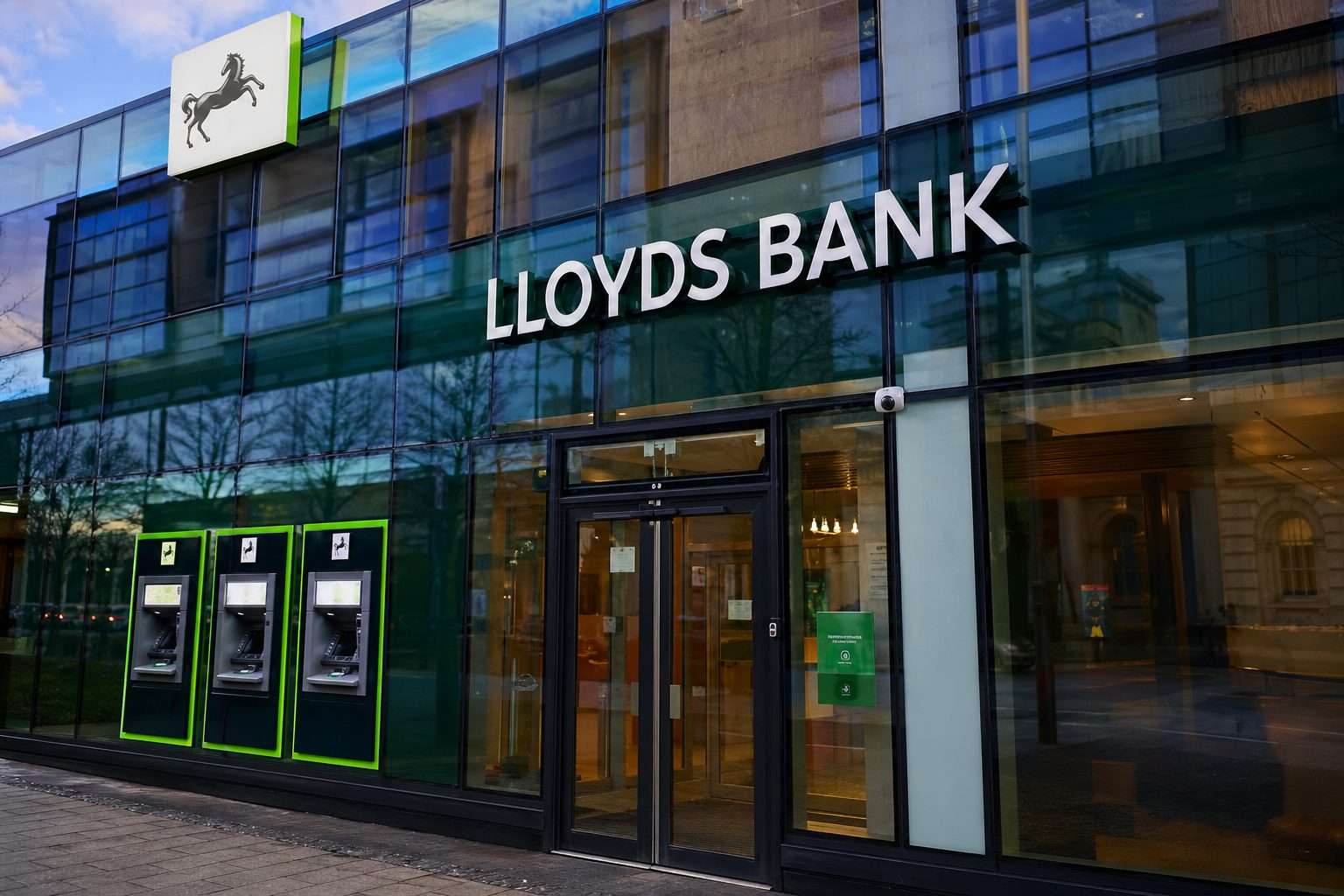
Lloyds Banking Group snapped up 12,170,976 ordinary shares on Friday, pushing forward with its 2026 buyback just ahead of its quarterly results. The purchase, handled by Goldman Sachs International, saw prices ranging from 96.98 pence up to 98.62 pence, landing an average of 97.6987 pence per share by volume. The stock will be cancelled, according to a regulatory filing.
Timing is key here. Lloyds will release its first-quarter interim management statement on Wednesday, April 29. Chief Financial Officer William Chalmers is set to walk through the numbers at 9:30 a.m. Investors will be watching closely for updates on margins, expenses, and credit quality after a choppy stretch for UK banks.
Lloyds, the U.K.’s biggest domestic mortgage player, is ramping up its capital returns. The bank’s 2025 annual report laid out plans for an ordinary share buyback worth as much as 1.75 billion pounds, with total payouts to shareholders set to reach 3.9 billion pounds. Chief Executive Charlie Nunn attributed the buyback push to “sustained strength in financial performance” as Lloyds heads into the last stretch of its 2022-2026 strategy. Lloyds Banking Group
Lloyds shares stayed heavy, slipping 1.12% to 97.86 pence on the sell side and 97.89 pence to buy, according to AJ Bell’s delayed Friday numbers. The FTSE 100 shed 0.75% that day. Saturday saw the London market shut.
Lloyds stands out as a straightforward gauge for the UK consumer—its big footprint in mortgages and retail banking makes sure of that. Investors tend to lump it in with NatWest, Barclays and HSBC, especially now, as focus sharpens on how these banks handle capital returns and profitability targets. The whole sector is feeling the shift, with interest rates down after years of robust income.
The buyback adds to a UK market still leaning on repurchases as a key prop. “Almost bang in line with last year’s totals,” AJ Bell investment director Russ Mould said, noting FTSE 100 firms have rolled out £31.1 billion in buyback plans so far in 2026. AJ Bell
The motor-finance scandal continues to cast a shadow. The Financial Conduct Authority pegs the total redress bill for the industry at 9.1 billion pounds, with 12.1 million agreements that could qualify for compensation. Lloyds, for its part, notes there’s still uncertainty over response rates, litigation, and operating costs. The bank expects to provide an update alongside first-quarter results.
Lloyds isn’t planning to contest the FCA’s plan, according to Reuters earlier this month. While a spokesperson acknowledged the bank doesn’t see eye-to-eye with some of the regulator’s findings, they said pushing ahead is “the right step for our customers and shareholders.” Reuters
Right now, management keeps signaling its readiness to hand back excess cash through the buyback. Investors get their next read on that stance with the April 29 update—especially if loan growth loses steam, margins get squeezed, or redress costs move around again.