
LONDON, April 27, 2026, 13:02 BST
- BP shares pushed higher, tracking gains in London’s energy sector as Brent crude approached its highest level in almost three weeks.
- The company is set to release its first-quarter results on Tuesday. Oil trading? Analysts are calling it “exceptional.”
- Investors have their eyes on debt levels, working capital cash, and the first earnings call under CEO Meg O’Neill.
BP shares picked up on Monday. Investors are eyeing Tuesday’s first-quarter results—crude’s recent rally and an upbeat trading run, especially during the Middle East supply shock, are expected to help the oil major’s numbers.
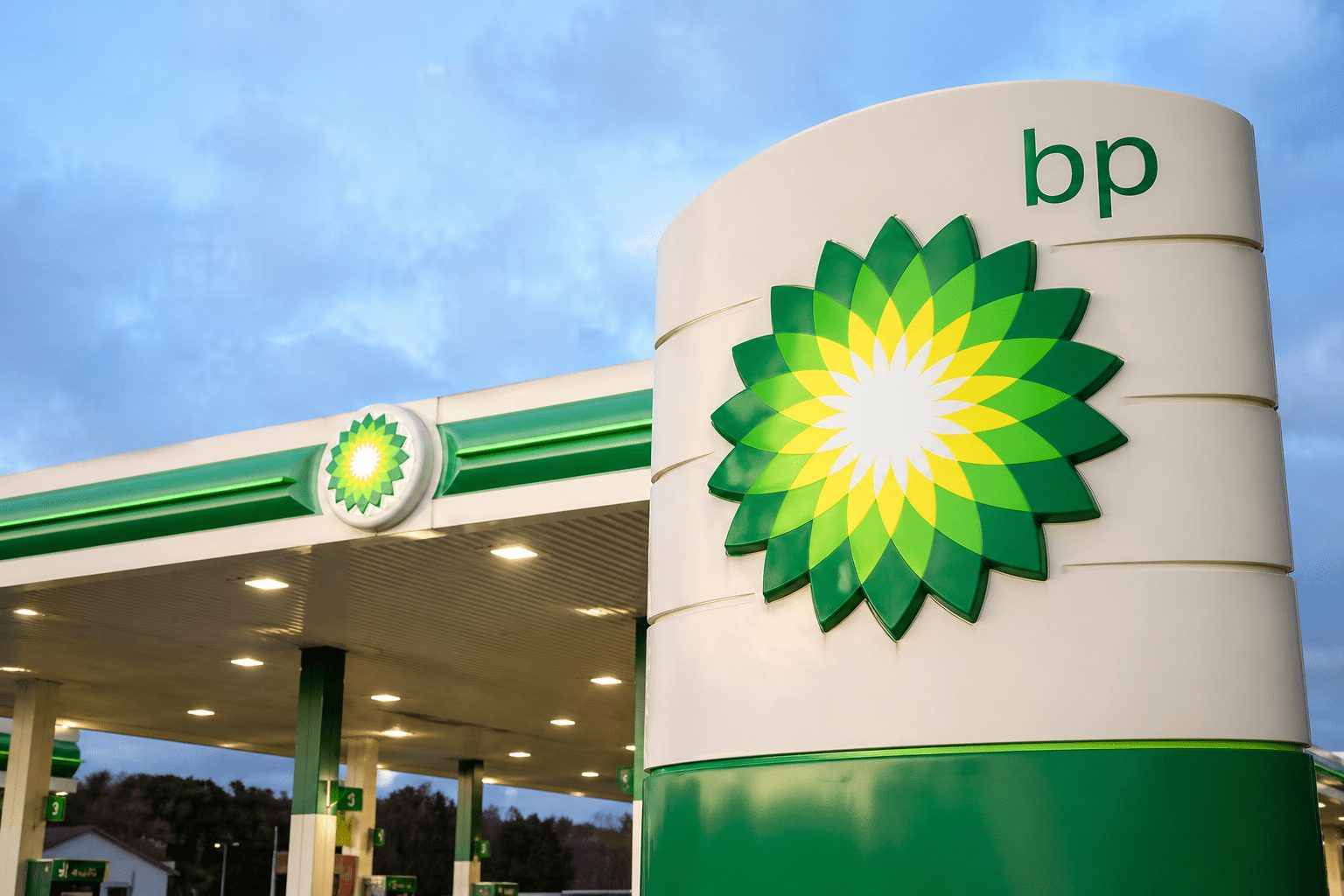
BP heads into results day juggling two narratives: a shot at boosted earnings thanks to choppy oil prices, but also a balance sheet under some pressure, which might cap what shareholders actually pocket. The FTSE 100 in London nudged up 0.2% as of 1005 GMT, energy names doing most of the heavy lifting. Both BP and Shell picked up about 1%.
BP flagged earlier this month that it expects an “exceptional” first-quarter oil trading performance, with group results set for release on April 28. The company is projecting net debt will climb to somewhere between $25 billion and $27 billion, up from $22.2 billion at last quarter’s close, driven mainly by a $4 billion to $7 billion working capital build—cash locked in inventories and receivables for now. bp global
Oil prices climbed again, with Brent crude jumping nearly 3% to $108.36 a barrel by 0828 GMT on Monday—a level not seen in three weeks. The market reacted as U.S.-Iran peace talks hit a snag and shipments through the Strait of Hormuz remained tight. “There is only one direction for oil prices to go,” said Tamas Varga at PVM Oil Associates, highlighting the ongoing supply crunch. Reuters
Goldman Sachs now sees Brent crude averaging $90 a barrel in the fourth quarter, up from its earlier $80 call, pointing to reduced supply from the Middle East and slow-moving Gulf exports. Daan Struyven and the analyst team flagged “economic risks are larger” than their core crude-price scenario, with high refined-product prices, ongoing shortage concerns, and the magnitude of the disruption weighing on outlooks. Reuters
For the moment, BP’s real strength is in trading. The company, along with Shell and TotalEnergies, runs bigger commodity trading operations than its U.S. counterparts. In fact, Reuters calculations, drawing from company sources, put first-quarter earnings from these desks at no less than $2.5 billion. David Hewitt, a senior consultant at Hewitt Energy Perspectives, pointed out that BP rarely exaggerates—so when they use the word “exceptional,” it stands out. Reuters
Citi bumped its BP earnings estimate up by 20%, projecting first-quarter adjusted net income at $2.6 billion after BP highlighted a boost from its trading arm. Shell also cited robust oil trading, reinforcing the point that European giants have outperformed Exxon Mobil and Chevron when it comes to capitalizing on market disruptions.
But BP’s latest numbers don’t look set to end the wider debate with shareholders. The company faces the task of convincing investors that scaling back parts of its low-carbon plan—and doubling down on oil and gas—will boost returns, all while keeping governance and climate concerns in check.
The strain showed last week. BP investors voted down two board-supported resolutions at the annual meeting—one aimed at dropping earlier requirements for company-level climate disclosures. Chair Albert Manifold secured 81.8% backing, well short of the near-unanimous numbers big-company directors usually see, yet told shareholders the board retained “overwhelming support” on its strategy. Reuters
Tuesday marks the first earnings call under Meg O’Neill, who stepped in as chief executive on April 1. In a message to employees, O’Neill said she’s prioritizing “clear direction and consistency.” Her appointment follows BP’s pause on share buybacks, as the company pivots toward debt reduction and fresh investment in oil and gas. Reuters
The danger here? That trading gains don’t stick. Should Gulf flows snap back quicker than anticipated, oil prices could come down, leaving BP with little to show except higher net debt and more cash tied up in working capital. A quick drop in crude would definitely put BP’s strategy to the test—investors would have to decide if they’re backing the company or just chasing the war premium.