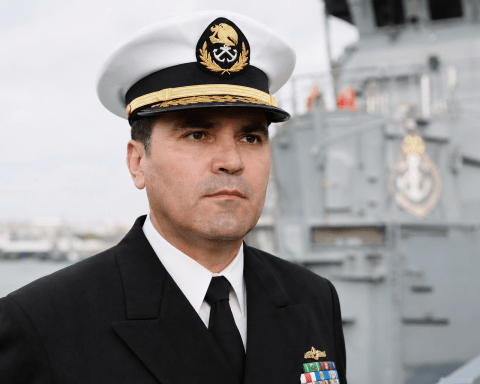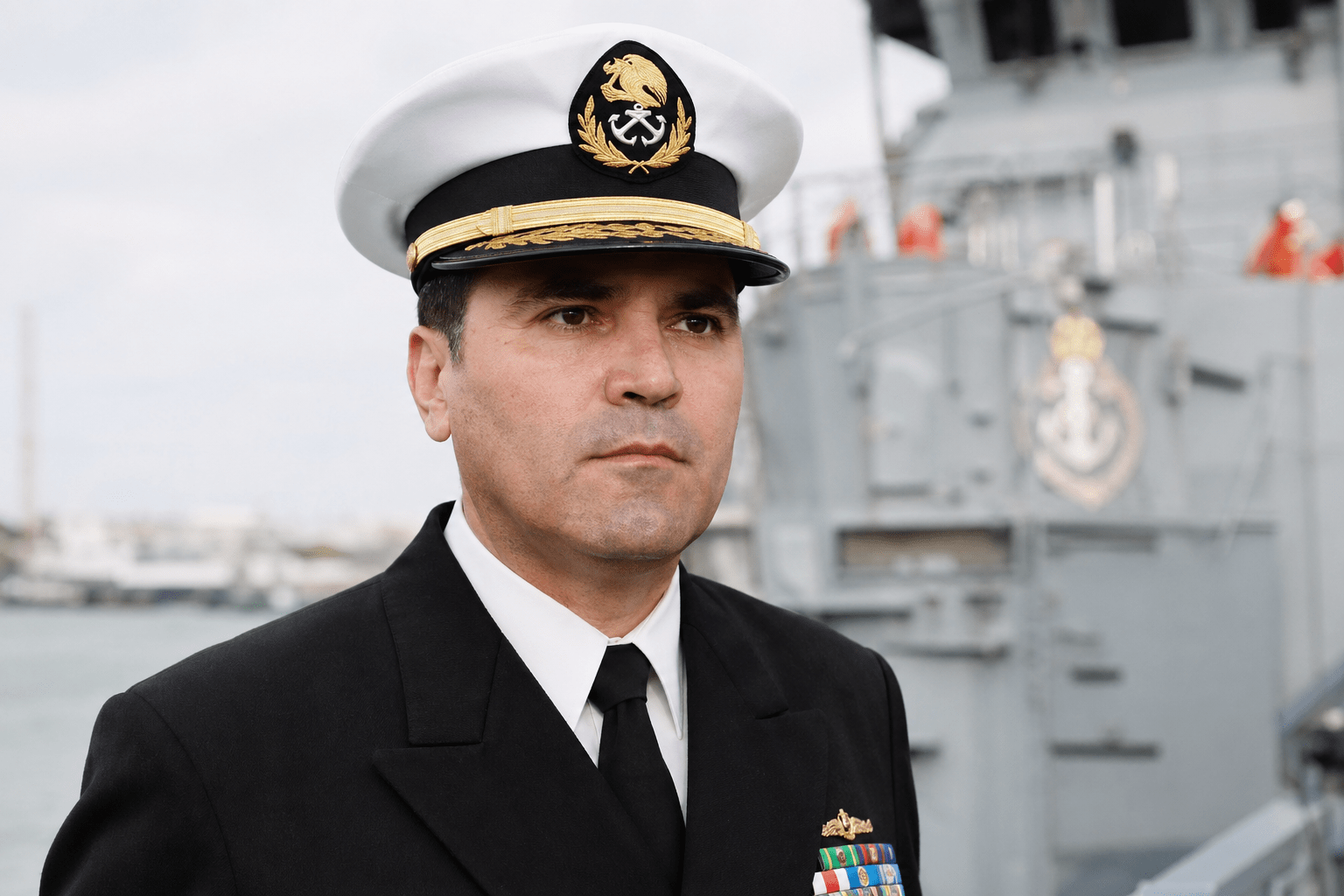
Mexico City, April 28, 2026, 15:22 CST
Mexico’s case against detained Navy rear admiral Fernando Farías Laguna widened on Tuesday after investigative files cited by El Universal linked him to drug trafficking as well as alleged fuel smuggling through customs. The files say Farías moved around customs offices in Dos Bocas and Guaymas without a formal posting there, and describe the allegations as part of a network tied to customs, fuel imports and contraband.
The turn matters now because Mexico is trying to get Farías back from Argentina before a drawn-out extradition fight hardens. President Claudia Sheinbaum said Tuesday she hoped the case would not become a political dispute with Argentina, adding that Mexico wants him deported or extradited because he faces an arrest warrant and entered Argentina with false papers.
Farías appeared Monday before a federal judge in Buenos Aires, where he was formally notified of Mexico’s extradition request and his defense said he would seek political asylum. His lawyer, Epigmenio Mendieta, said the extradition process could take 60 days and may stretch if Argentina handles a separate case over the alleged false passport first.
Argentine authorities arrested Farías on April 23 in Buenos Aires after he entered from Colombia with a false Guatemalan passport, Mexican and Argentine officials have said. He was wanted under an Interpol red notice and faces a Mexican arrest order for organized crime tied to hydrocarbon offenses.
The core allegation is “huachicol fiscal,” a Mexican term for smuggling fuel into the country while disguising it as another product, such as lubricants or additives, to avoid taxes. Prosecutors have linked the case to fuel entering from the United States and moving through ports and customs points under the control or influence of officials and naval personnel. El País
The investigation has moved beyond the arrest itself. El País reported Tuesday that a short anonymous YouTube video helped set off the probe in 2025, after which prosecutors added testimony, geolocation data, wiretaps and financial analysis to the case file.
Farías and his brother Manuel Roberto Farías Laguna, a vice admiral held in Mexico’s Altiplano prison, are accused by authorities of leading the network. Both are relatives by marriage of José Rafael Ojeda Durán, who served as Navy secretary under former President Andrés Manuel López Obrador, a fact that has made the case politically sensitive.
The financial trail is also drawing scrutiny. Iván Alamillo, a journalist with Mexicanos Contra la Corrupción y la Impunidad, told MVS that Farías’s arrest was “perhaps the most relevant detention so far” in the case and said investigators had traced 15 million pesos in transactions with two companies tied to a Sonora businessman convicted in the United States in 2013. MVS Noticias
Bloomberg reported that the alleged smuggling network has cost Mexico billions of dollars in lost tax revenue and has touched circles close to political power. That gives the case a fiscal edge as well as a security one: it is about unpaid fuel taxes, but also about who controlled the customs gates.
Sheinbaum has said the network “existed” but no longer does, and that the case grew out of an investigation into the Challenge Procyon, a vessel authorities said carried 10 million liters of diesel that entered Mexico as contraband at the port of Tampico. The government later tightened controls on temporary fuel import permits and increased surveillance of vessels and customs fuel entries. El Universal
The risk for Mexico is that the legal route back may not be quick. Farías’s defense rejects his return, says he fears for his life and argues he is being blamed for a network he had reported; those are defense claims, not court findings. If Argentina treats the asylum bid or passport allegation as a separate matter, the case could move more slowly than Mexico wants.
Argentine Security Minister Alejandra Monteoliva has struck a harder line, saying Farías was detained and would be extradited, and that Argentina was not a refuge for criminals. But until a court rules, the most important suspect still outside Mexico remains in Argentine custody, and the wider question is whether prosecutors can show the alleged network went beyond two senior naval officers.