
London, April 30, 2026, 15:02 BST
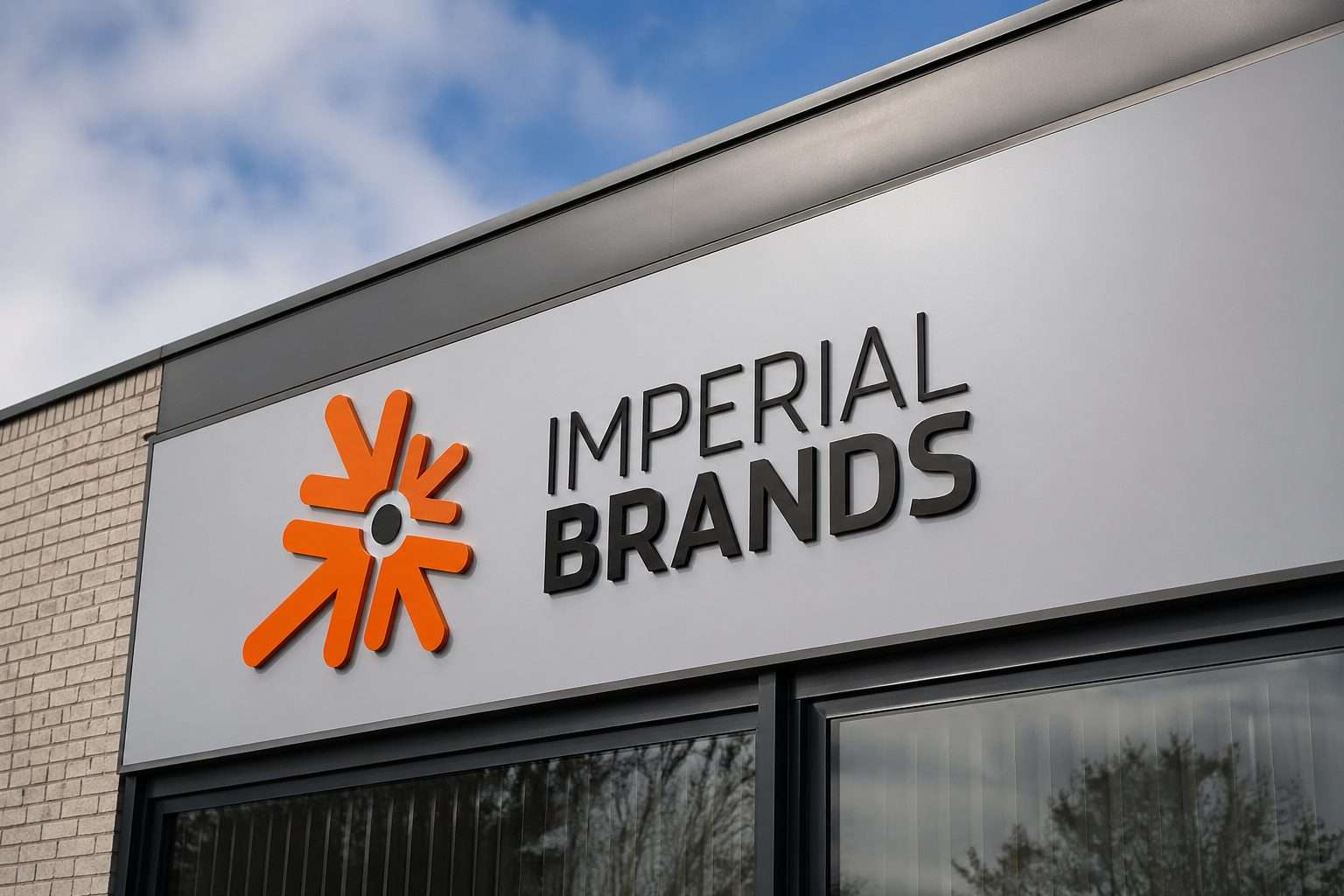
Imperial Brands PLC snapped up 186,163 of its own ordinary shares for cancellation on Wednesday, marking another step in its £1.45 billion buyback plan designed to highlight cash returns for shareholders. According to a regulatory disclosure, the group—listed in London—paid an average price of 2,776.7822 pence per share via Barclays. Once the shares settle and are cancelled, Imperial said its total ordinary shares outstanding will drop to 777.84 million, not counting treasury stock.
Imperial’s latest step comes fewer than three weeks since it warned investors of a slight market-share dip in its top five markets for the first half. Profit growth? That’s slated for the back half, the company said. So, the May earnings will be a good gauge of whether raising prices and ongoing buybacks are making up for falling cigarette sales.
Imperial shares climbed 1.15% to 2,803p on the London board as of 14:30 BST, according to Bloomberg data. The uptick offered a measure of relief following that pronounced mid-April slide, when concerns flared up about share erosion and sluggish first-half progress.
Earlier this month, the Bristol-based group reaffirmed its outlook: still aiming for low-single-digit growth in tobacco revenue and double-digit gains from next generation products by FY26. Adjusted operating profit is expected to climb 3% to 5% at constant currency, stripping out exchange-rate effects. By March 31, it had finished £0.7 billion of the planned FY26 buyback, and projected free cash flow of at least £2.2 billion—money left after both operating and investing outlays.
Russ Mould, investment director at AJ Bell, noted that analysts didn’t like the first-half update, pointing to worries over market share and currency moves—despite Imperial sticking to its profit outlook. The company, he said, “still has pricing power,” which matters for shareholder returns tied closely to tobacco cash generation. AJ Bell
Richard Hunter at Interactive Investor echoed the point, highlighting “in sharp focus” shareholder returns and noting the buyback is only halfway through. Still, he flagged that Imperial’s next generation products arm is yet to turn a profit—even with gains across vaping, heated tobacco, and oral nicotine. Ii
The real squeeze is there. Imperial—behind Winston, Davidoff and Gauloises—has been working to grow its next-gen products, all while keeping traditional cigarettes afloat. Reuters pointed out that bigger players like British American Tobacco and Philip Morris International are betting harder on premium brands and putting more money into innovation.
Still, the risks haven’t gone anywhere. According to Sharecast, Imperial pointed to increased geopolitical and macro uncertainty stemming from the Middle East conflict. NGP losses are also on track to edge up as investment continues. Should freight, energy, or currency costs take a turn for the worse, or if price increases don’t stick in the second half, the buffer on guidance could shrink.
Imperial’s half-year results are set for May 12. Investors want numbers: how much market share was lost, how quickly buybacks are coming through, and if the alternatives segment is expanding fast enough to matter.