
London, May 1, 2026, 14:38 (BST)
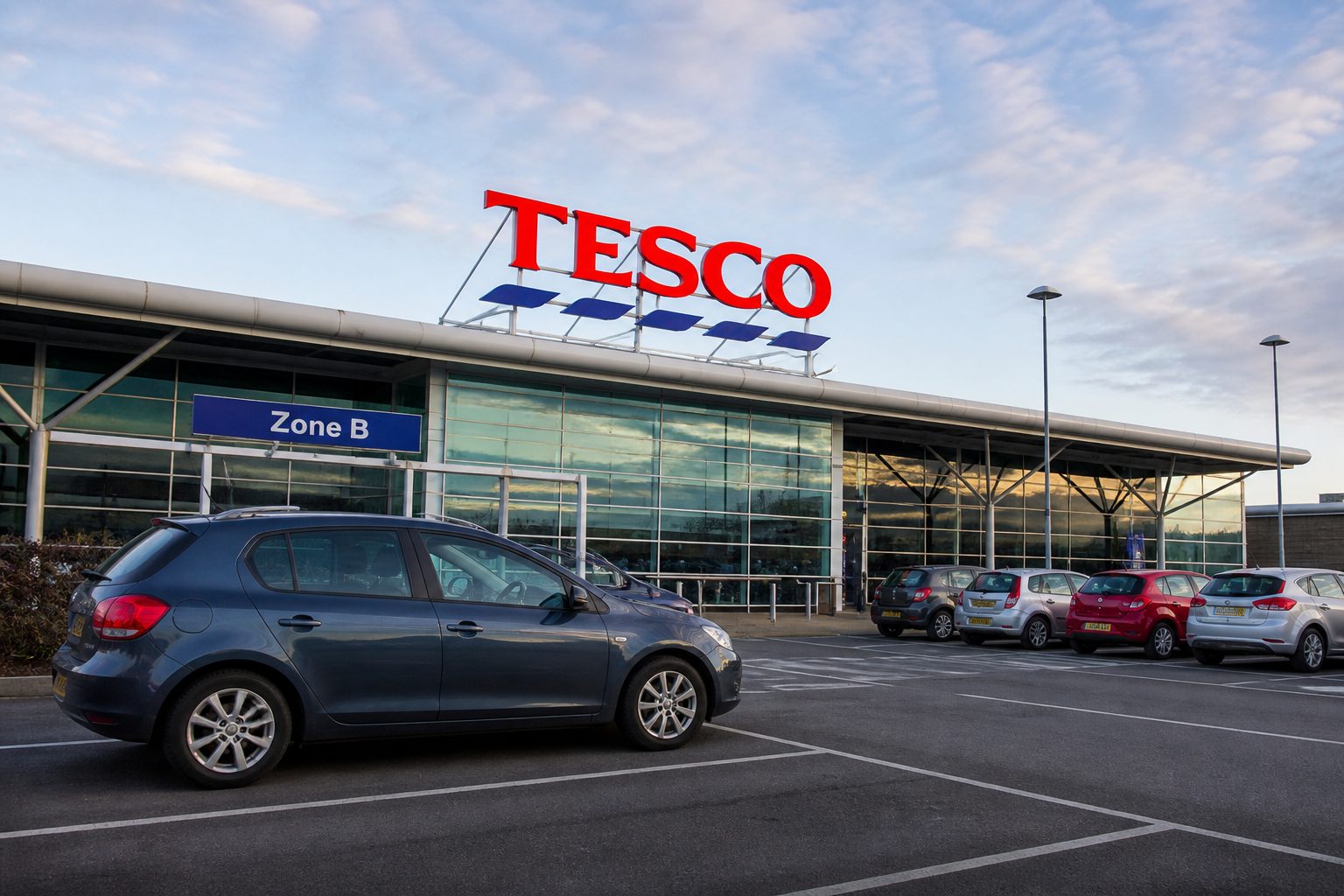
Tesco PLC moved forward with its £750 million buyback plan, snapping up 415,107 ordinary shares on April 30 for an average 481.80 pence apiece, according to the latest market filing. Once cancelled, the grocer’s outstanding share count drops to roughly 6.38 billion.
The timing’s key here: Tesco is handing money back to shareholders as it ramps up local store price cuts—spots where shoppers usually pay more for convenience. Buybacks mean fewer shares out there, so profits get divvied up between a smaller pool. That tends to lift earnings per share.
Tesco has now scooped up 2,889,001 shares since kicking off its latest tranche of buybacks on April 22, putting about £14 million to work so far. The retailer had unveiled the bigger £750 million repurchase plan on April 16, saying it aims to wrap up the programme by April 2027.
Tesco has pushed its Aldi Price Match campaign into over 2,000 Express convenience locations, now bringing more than 200 staple items—think pasta, milk, rice, lettuce—under the scheme. Ashwin Prasad, Chief Executive for Tesco UK, acknowledged that household budgets are “again under pressure.” He said this expansion should help reassure shoppers on pricing, not just in bigger stores and online, but right in their neighborhood shops too. Retail Gazette
Aldi now lands squarely in the crosshairs of Tesco’s local-store price pitch, just as Lidl and other discount players keep the squeeze on Britain’s grocers. New NielsenIQ figures out April 29 show a 0.2% dip in Total Till sales at the UK’s biggest supermarkets for the four weeks through April 18, while promo-driven sales climbed to 26% of all fast-moving consumer goods.
Lidl booked an 8.7% jump in sales over the last 12 weeks, according to NielsenIQ. Tesco gained 3.1%, while Asda slipped 3.9%. Mike Watkins, who leads retailer and business insight at NielsenIQ, pointed to the ramp-up in promotions as proof of “the industry’s need to drive demand.” In a market where shoppers are still spending, he said, bargains remain the battleground. NIQ
Tesco’s got more room for capital returns now, thanks to improved cash generation. Back in April, the retailer posted like-for-like 2025/26 sales—excluding VAT and fuel—at £66.59 billion, a 4.6% increase at actual rates. Adjusted operating profit hit £3.15 billion. Free cash flow? That climbed 11.8%, reaching £1.96 billion.
Tesco CEO Ken Murphy said the company is trying to “keep down the cost of the weekly shop,” highlighting that Tesco now holds its biggest market share in more than ten years. The retailer reported a 28.5% share in the UK, an increase of 24 basis points from a year earlier. Investegate
Still, giving cash back to shareholders doesn’t erase the underlying risk. Tesco has now set a wider range for its 2026/27 adjusted operating profit: £3.0 billion to £3.3 billion, pointing to ongoing uncertainty from the Middle East conflict and possible knock-on effects for UK consumers and the broader economy. The retailer is also aiming to cut another £500 million in costs this year, funneling savings into price and service improvements.
Investors now have their eyes on two things: the pace of Tesco’s share buybacks, and the amount it’s shelling out to fend off Aldi, Lidl and Asda. At this point, Tesco says it can juggle both. But should inflation pop up again in the stores, that breathing room gets tight.