
London, May 1, 2026, 18:07 BST
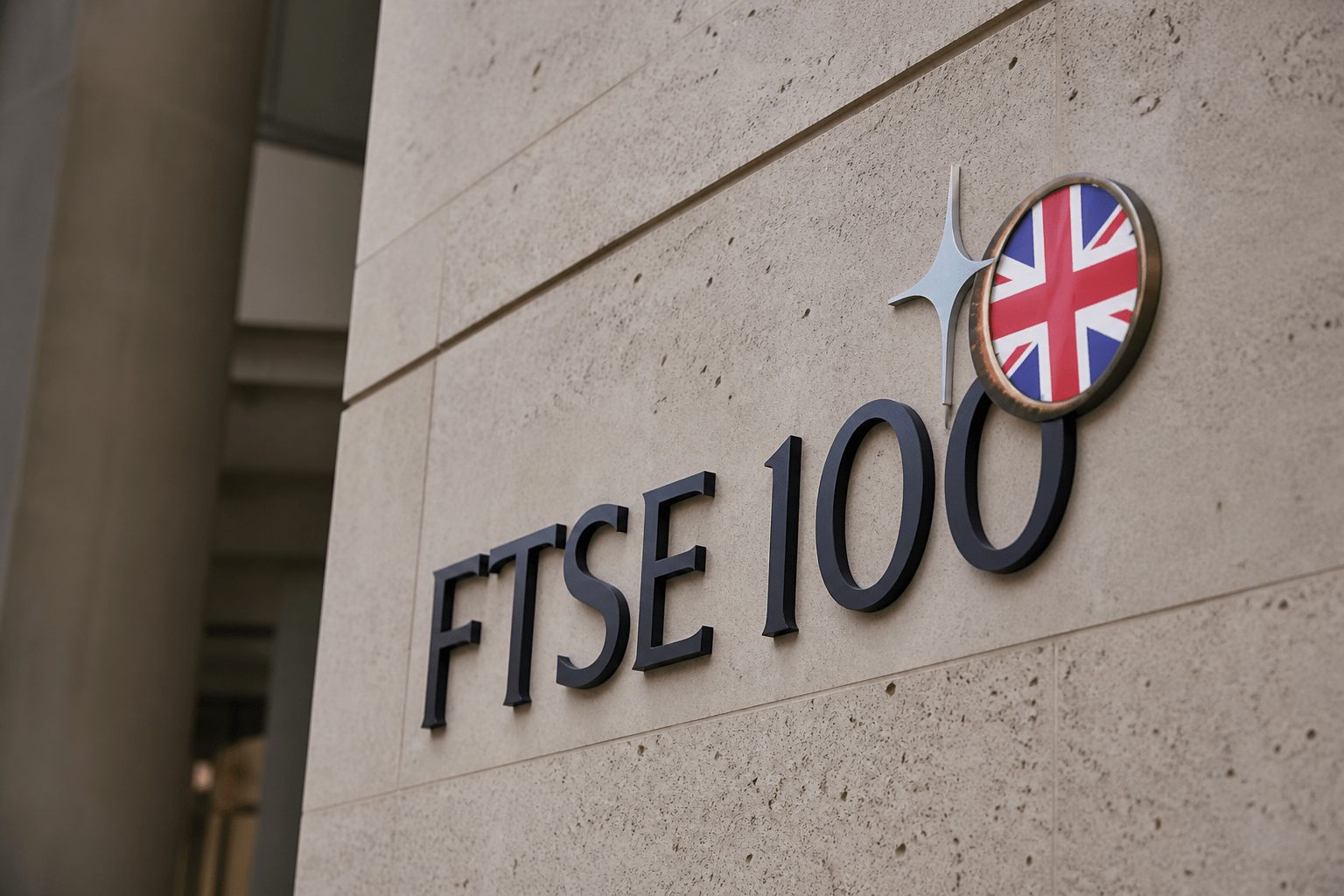
The FTSE 100 slipped 0.1% to finish at 10,363.93 on Friday, as declines in AstraZeneca, NatWest, and the energy sector outweighed scattered gains ahead of the UK’s long weekend. The more domestically focused FTSE 250 managed a 0.3% rise.
This is notable as it follows the Bank of England’s decision just a day earlier to keep Bank Rate unchanged at 3.75%. The central bank flagged rising uncertainty around energy costs and inflation, citing fallout from the Middle East conflict. Out of the Monetary Policy Committee, eight members wanted to hold steady; only one pushed for a hike to 4%.
Light trading exaggerated some swings, with most European bourses closed for Labour Day. Britain gets its bank holiday on Monday, and London turnover lagged its 20-day average. Traders picked through company headlines, oil prices, gilt moves, and next week’s scheduled updates.
AstraZeneca shares dropped 3.1%, the steepest decline among the index’s big names, following a U.S. Food and Drug Administration advisory panel’s decision not to back camizestrant, the company’s experimental breast cancer treatment seen as key to its growth outlook. According to Reuters, panel members mainly flagged issues with the trial’s design, not with safety or effectiveness. Analysts noted approval is still on the table, albeit now much less straightforward.
NatWest shares slipped, despite delivering a 12% jump in first-quarter operating profit before tax, reaching 2 billion pounds. The lender set aside 283 million pounds for potential losses—part of that, 140 million pounds, tied to downgraded economic outlooks following the Iran war. “Market conditions are uncertain,” CEO Paul Thwaite commented in the results release. Reuters
The bank trimmed its UK GDP growth outlook for this year to 0.4%. In its baseline scenario: inflation runs at 3.5%, while unemployment ticks up to 5.5%. “A lot depends on the duration of the energy shock,” Thwaite told the Guardian—a comment that also underscored the strain hitting rivals like Lloyds. Earlier in the week, Lloyds logged its own charge linked to shifting economic conditions. The Guardian
BP and Shell slipped on softer crude, with both acting as key drags in the energy sector. Shares of BP finished more than 2% lower after Reuters, sourcing Bloomberg News, said the company is considering selling part or all of its UK North Sea holdings—a long-established area where Shell, Chevron, and TotalEnergies have already pared back or restructured their assets.
Pearson ticked up, crediting a 4% bump in underlying first-quarter group sales to solid appetite for virtual learning. Diageo also finished in positive territory, with shares buoyed after U.S. President Donald Trump pledged to remove tariffs on British whisky—a decision cheered by the Johnnie Walker maker.
Russ Mould, investment director at AJ Bell, noted “the FTSE 100 took a step back”—citing jitters over the Middle East, some profit-taking hitting utilities, and a softer day for precious metals miners. Oil holding above $110 a barrel, he said, still signals major risks for the global economy. AJ Bell
UK factory activity picked up more than expected, with S&P Global’s manufacturing PMI climbing to 53.7 in April from 51.0 in March. Still, the market shrugged, as fresh delivery delays and rising input costs piled on. Rob Dobson of S&P Global Market Intelligence flagged a possible loss of momentum, warning, “inflationary pressures remain on high heat.” Reuters
The risks on the downside stick out. Oil prices holding at elevated levels, or any prolonged Strait of Hormuz problem, could force the Bank of England’s hand—meaning tighter policy, pricier loans, and extra pressure on rate-sensitive stocks. “The MPC has bought itself time,” Deutsche Bank’s Sanjay Raja noted, but he also hinted that patience could be wearing thin. Reuters
Traders step into the holiday with a market lacking clear direction: the FTSE 100 has slipped from its peak, while support’s held up for the FTSE 250. Next week puts HSBC and Shell in focus with earnings on tap, and Next is due for a trading update. With the May bank holiday on Monday, UK financial markets will be shut.