
London, May 2, 2026, 16:01 BST
- Unilever is preparing targeted price hikes, citing cost pressures from the Iran war filtering into logistics, factory expenses, and oil-based ingredients for its home-care lines.
- First-quarter growth topped expectations, lifted by Dove, Vaseline, and increased demand out of India and Brazil.
- Shares climbed Friday. Now, the question is if consumers will take the price hikes in stride, or start pulling back.
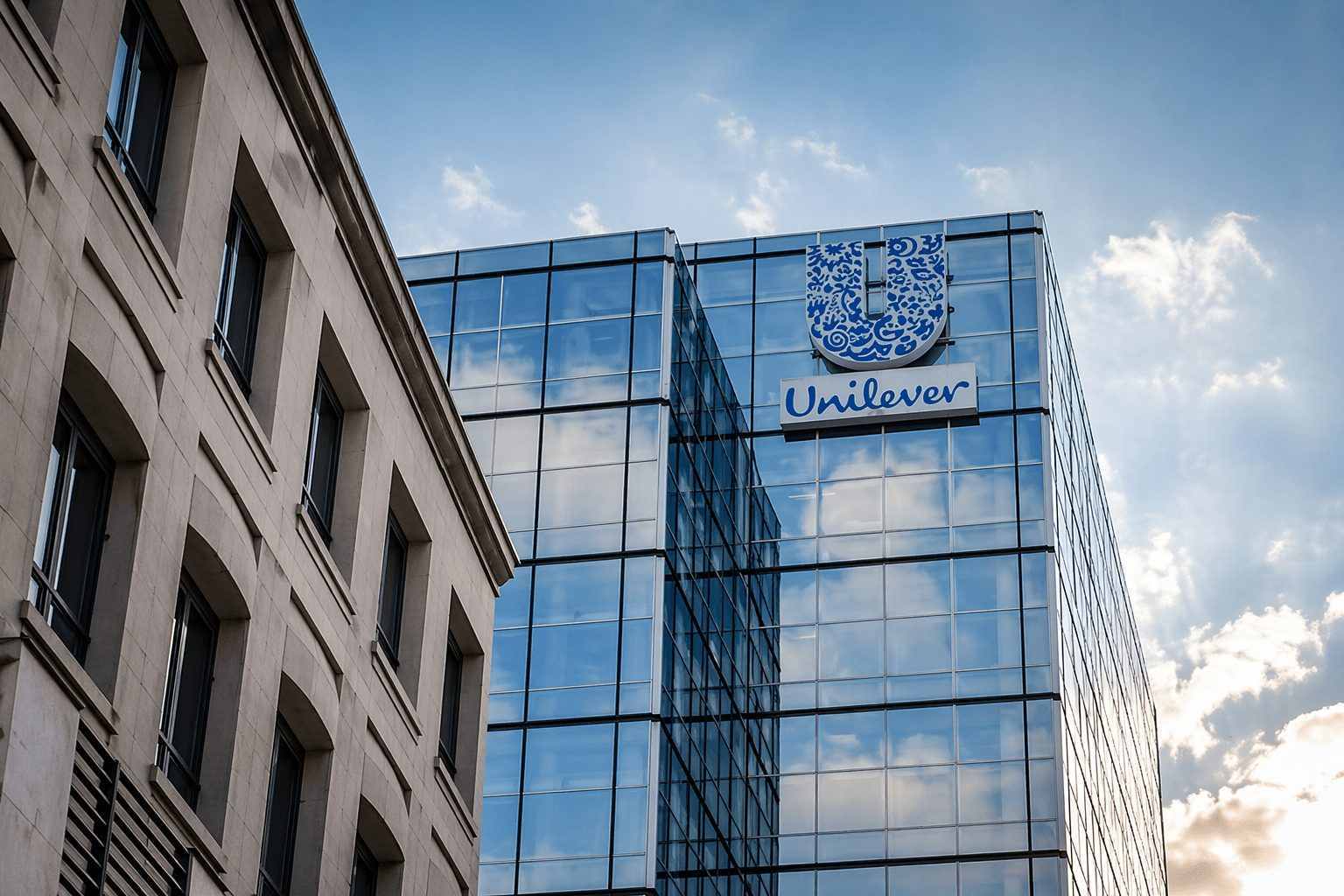
Unilever PLC plans to roll out targeted price hikes later this year, finance chief Srinivas Phatak said, describing the adjustments as “small doses.” The move comes as increased costs linked to the Iran war took the shine off a quarterly sales beat for the group behind Dove soap and Axe deodorant. Reuters
Timing is key here. Unilever’s been working to win back volume—actual units sold—since a series of steep price hikes nudged customers over to cheaper private labels. More hikes now could jeopardize that progress, particularly in the home care segment, where oil-based chemical costs filter directly into detergents and cleaners.
Unilever’s underlying sales rose 3.8% in the first quarter, stripping out currency swings and portfolio shifts. Volume climbed 2.9%, with prices inching up 0.9%. Still, turnover dropped 3.3% to 12.6 billion euros—currency hits outweighed both growth and deal impacts, the company said.
Unilever’s company-compiled consensus pointed to 3.6% underlying sales growth, split evenly between volume and price at 1.8% each, analysts said. But it wasn’t the slight sales beat that caught attention—the bigger story was Unilever moving more product than forecast, instead of just hiking prices.
Investors seemed satisfied with the outcome. Unilever’s shares in London gained 2.56% to hit 44.07 pounds on Friday, outpacing a soft FTSE 100. Still, the stock stayed shy of its 52-week high.
The warning on costs hasn’t changed. Unilever is looking at full-year cost inflation somewhere between 750 million and 900 million euros—logistics and factory expenses included—according to Phatak. That tally is running 350 million to 500 million euros above the company’s initial projections. With these pressures, he said price hikes might have to land toward the upper end of the 2% to 3% range.
Growth came in across the board, though not evenly. Power Brands—think Dove, Vaseline, Hellmann’s, Persil—saw underlying sales climb 5.0%, volumes up 4.0%. Home Care outpaced the rest, up 6.1%, driven by a 6.2% jump in volume, particularly in India and Brazil. Europe, on the other hand, remained sluggish.
Chief Executive Fernando Fernandez described the start to the year as “volume-led,” highlighting continued strength in emerging markets. The company reported Beauty & Wellbeing up 3.6%, Personal Care climbing 3.7%, Home Care posting a 6.1% gain, and Foods increasing 2.2%. Unilever
This quarter comes as Unilever’s portfolio is being dismantled. Back in March, Unilever struck a deal with McCormick to merge its Foods division with the spice giant. The move carves out Unilever’s focus on beauty, personal care and home care, while the new foods group takes shape around Knorr, Hellmann’s, and McCormick brands.
Unilever kicked off a 1.5 billion euro share buyback on April 30, planning to wrap it up by July 6 or sooner. Looking ahead, the company expects to fund 6 billion euros in buybacks from 2026 to 2029 with proceeds from the Foods deal.
The squeeze isn’t just on Unilever. Colgate-Palmolive flagged roughly $300 million in additional raw material and logistics costs this year on Friday. Other consumer names worldwide are also feeling pricing strain, driven by energy and commodity cost increases.
There’s a risk here: higher prices could stall the rebound in volumes. Chris Beckett, a consumer staples analyst with Quilter Cheviot, told Reuters Unilever’s pricing power isn’t unlimited in certain areas, particularly in developed Europe. “It’s not easy to take pricing,” he said. Reuters
Unilever is sticking to its 2026 forecast, aiming for underlying sales growth at the low end of its 4% to 6% multi-year range. The company is still targeting at least 2% growth in underlying volumes, and expects operating margin to edge up from 20.0% in 2025. All of this comes as cost pressures intensify, and the real test will be how consumers respond.