
London, May 2, 2026, 22:03 BST
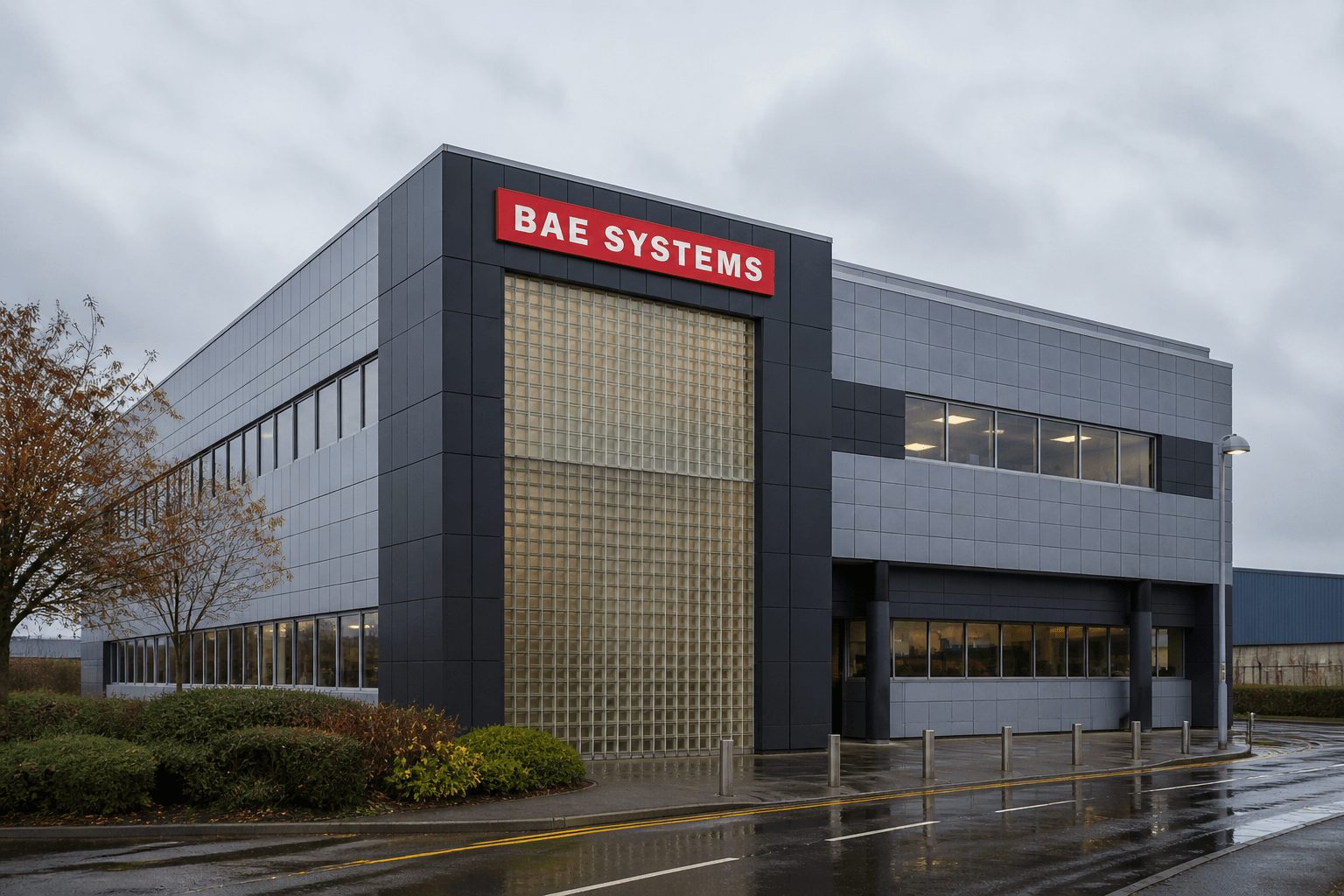
BAE Systems plc has been hit with a £120 million lawsuit from Kenya’s EnComm Aviation, which alleges damages after BAE pulled support for Advanced Turbo-Prop aircraft critical for aid flights across Africa. The legal challenge lands as the British defence giant is being linked to fresh U.S.-backed arms deals. According to Aviation Week, EnComm is seeking around $160 million in the UK High Court for losses and damages.
This case is drawing attention as BAE rides a wave of record sales and its largest-ever order backlog, buoyed by ramped-up defence budgets in Europe, the U.S., and the Middle East. Back in February, the company posted 2025 sales at £30.66 billion, underlying EBIT of £3.32 billion, and logged an order backlog totaling £83.6 billion.
EnComm claims BAE’s decision led to scrapped humanitarian contracts, halting aid shipments meant for South Sudan, Somalia, and the Democratic Republic of the Congo, among several other regions. According to The Guardian, EnComm’s ATP fleet had handled 18,677 tonnes of relief cargo from March 2023 to September 2025. EnComm director Jackton Obuola directly accused BAE of “destroying lives and our business.” When reached by The Guardian, a BAE spokesperson declined to discuss the ongoing litigation. The Guardian
The Advanced Turbo-Prop, or ATP, is a legacy regional aircraft. EnComm claims BAE’s pullback—support and the crucial type certificate both gone—has gutted the fleet’s market value, leaving them barely worth scrap and marooning operations on isolated aid corridors.
BAE landed the principal contractor slot for Advanced Precision Kill Weapon System deals to Qatar, Israel, and the United Arab Emirates. The broader U.S. package puts the total proposed Middle East military sales above $8.6 billion. Reuters said RTX, Lockheed Martin, and Northrop Grumman also showed up as named contractors in linked air-defense sales to Kuwait and Qatar.
BAE’s APKWS kit bolts laser guidance onto standard 2.75-inch rockets, upgrading them to hit with precision. According to BAE, the tech runs on aircraft, drones, ground vehicles, and ships. The company says it has shipped over 100,000 units globally.
This fresh legal challenge clashes with the steady narrative BAE’s been pitching to investors for most of the year: a backdrop of rising NATO budgets, robust long-cycle programs, and steady appetite for missiles, vehicles, ships, and aircraft. Back in February, Chief Executive Charles Woodburn described the company as entering a “new era of defence spending”—a phrase that’s shaped BAE’s forecast through 2026. Reuters
The gap between approval and actual revenue remains. As Reuters pointed out in an earlier piece on a different APKWS deal, a U.S. foreign military sale notification doesn’t guarantee a signed contract or signal that talks are finished. That gap is the commercial risk tied to this latest Middle East package. Legal risk? Still tough to quantify until BAE responds to the EnComm suit in court.
BAE is ramping up its land-systems production, too. On May 1, Janes said BAE Systems Hägglunds plans to put $450 million into its Örnsköldsvik facility in Sweden—gearing up for a possible CV90 infantry fighting vehicle order linked to a Nordic procurement push. ([Default][8])
BAE shares sat at 2,034.50 pence, per the company’s investor page, reflecting London Stock Exchange figures captured at 15:51—quotes subject to delay with the London market shut for the weekend. Up next, BAE’s annual general meeting lands May 7, with the 2025 final dividend due June 4 and half-year numbers expected July 30.
Shareholders aren’t doubting demand for BAE—it’s there. What’s less clear is if the lawsuit will stay a narrow squabble over legacy aircraft, or turn into a bigger reputational headache for a company already in the spotlight as defence budgets climb and orders tied to conflict keep flowing in.
[8]: https://www.janes.com/defence-intelligence-insights/defence-news-details/industry/special-report-bae-systems-hagglunds-invests-in-production-capacity-ahead-of-potential-cv90-order “
Special report: BAE Systems Hägglunds invests in production capacity ahead of potential CV90 order
“