
MOUNTAIN VIEW, California, May 5, 2026, 05:08 PDT
Google’s upcoming Pixel 11 series might ship with less entry-level memory compared to the Pixel 10 lineup, despite plans for a new Tensor G6 chip and updated camera tech headed for the 2026 flagship. According to reports citing a MysticLeaks post, the standard Pixel 11 could start with 8GB of RAM, while the Pixel 11 Pro, Pro XL, and Pro Fold models are expected to introduce 12GB variants positioned below the current 16GB top versions. RAM handles quick-access tasks like app launches, camera work, and on-device AI.
Memory prices have turned into a real headache for consumer electronics makers. Samsung’s Kim Jaejune didn’t sugarcoat it when speaking to analysts last week: “Our supply falls far short of customer demand.” He flagged a risk for 2027 too, cautioning that the gap between what customers want and what manufacturers can deliver could get even wider as AI data centers keep soaking up more chip capacity. Reuters
Google’s Pixel 10 is marked by a noticeable adjustment in RAM this time. The company’s published specs put the standard Pixel 10 at 12GB RAM, while the Pixel 10 Pro, Pro XL, and Pro Fold each come in at 16GB, according to .
The Tensor G6 leak takes things in a different direction. According to Android Authority, the chip is expected to feature a seven-core CPU built on Arm’s updated C1 cores, a PowerVR GPU, MediaTek’s M90 modem, Google’s Titan M3 security chip, plus fresh TPU and GXP units. The TPU handles AI tasks; GXP is Google’s custom image-processing hardware. The report noted that CPU prospects look stronger, but it questioned the extent of any gains in graphics performance.
The Pro lineup looks set to stick with its familiar displays—6.3 inches for the Pixel 11 Pro, 6.8 inches on the 11 Pro XL—though the screens could get a brightness boost, and the main and telephoto cameras are reportedly in line for upgrades, according to Android Authority. Battery specs? The leak points to 4,707mAh for the Pro, 5,000mAh if you’re eyeing the XL, though those numbers might reflect rated capacity instead of the bigger typical figures manufacturers usually highlight.
According to a May 5 rundown from Sportskeeda, early leaks point to the standard Pixel 11 featuring a 6.3-inch AMOLED screen, refresh rates between 60 and 120Hz, a 4,840mAh battery, and Google’s Tensor G6 processor. The article flagged all these details as speculative, noting they’re drawn from leaks rather than any confirmed specs.
One anticipated upgrade looks unlikely for this cycle. According to 9to5Google, Google’s under-display infrared face-unlock—internally called “Project Toscana”—won’t ship with Pixel 11, as the technology isn’t ready yet. That means Google sticks with its existing camera-based unlock for now, skipping a dark-environment system that would have brought it closer to Apple’s Face ID. 9to5Google
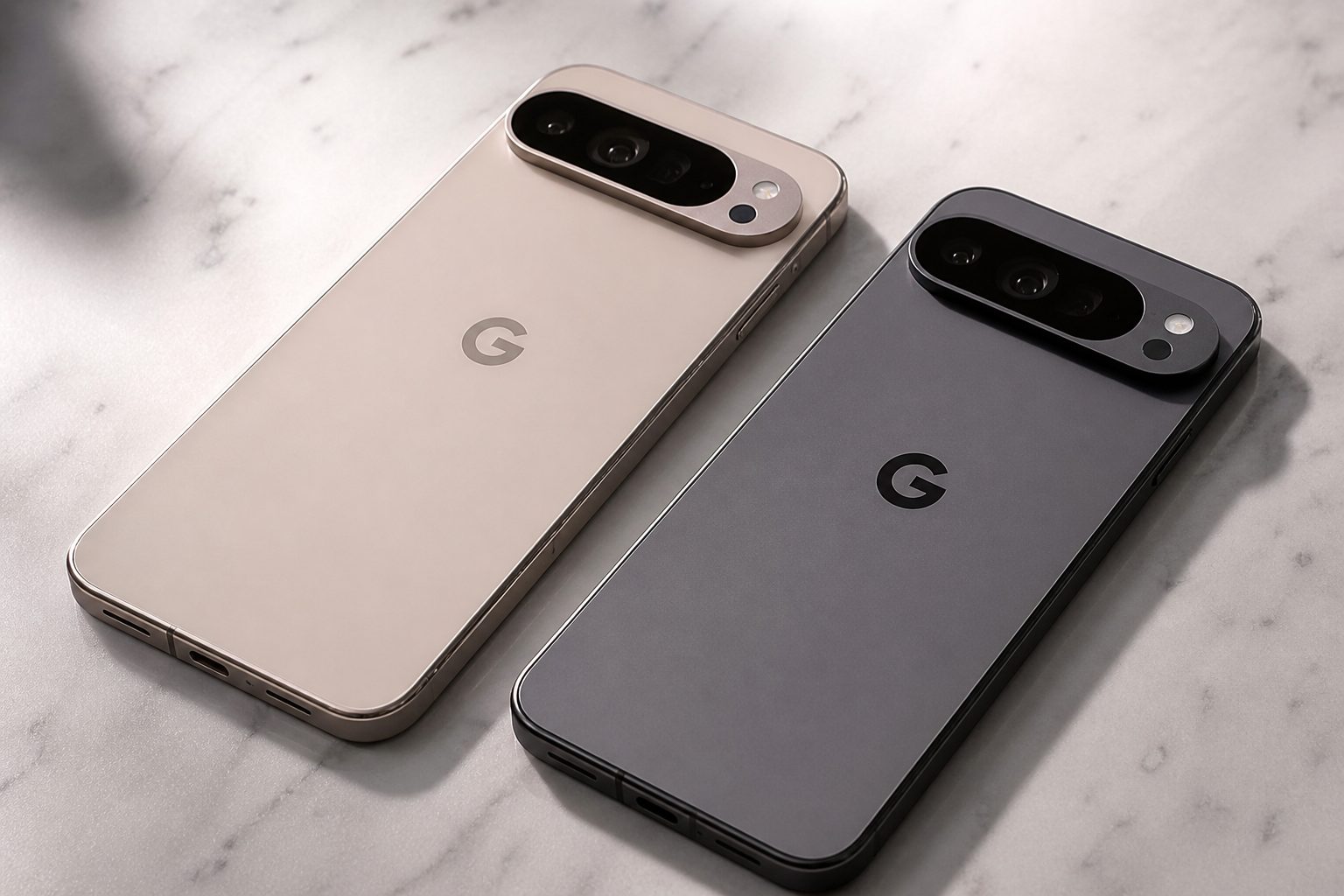
One tweak might stand out more than others. According to the leak, there’s a compact RGB LED array tucked into the camera bar—earlier rumors called this feature Pixel Glow—while the Pro’s infrared thermometer could be on the chopping block. That would hand Google a bit of fresh visual flair, especially as the Pixel’s overall look probably won’t drift far from the Pixel 10 series.
Competitors aren’t immune to the pressure. At MWC earlier this year, TCL Europe’s chief marketing officer Stefan Streit told The Verge, “Everybody has to deal with this difficult problem.” Xiaomi communications exec Angus Ng pointed to volume in midrange and entry-level phones as a way to offset the hit. The Verge
Samsung has started raising prices within sections of its portfolio. Back in April, The Verge noted that Galaxy Z Flip 7, Galaxy S25 FE, and Galaxy S25 Edge models with extra storage all saw price increases. The company also bumped up some Galaxy tablet prices, with RAM and NAND flash—the storage chips powering phones and SSDs—getting pricier as well.
But leaked specs aren’t set in stone. Google might tweak RAM options, shuffle storage pairings, shift prices, or even rework which markets get what before launch. That face-unlock rumor highlights the trouble with betting on early hardware details—a feature can make it right through development for a Pixel generation, then drop out at the last minute.
With Pixel 11, it’s not only about any speed bump from Tensor G6. Buyers have to weigh if upgrades to the chip, cameras, and display justify either less memory out of the box or paying up for a top-tier model.