
MIAMI, May 7, 2026, 11:10 EDT
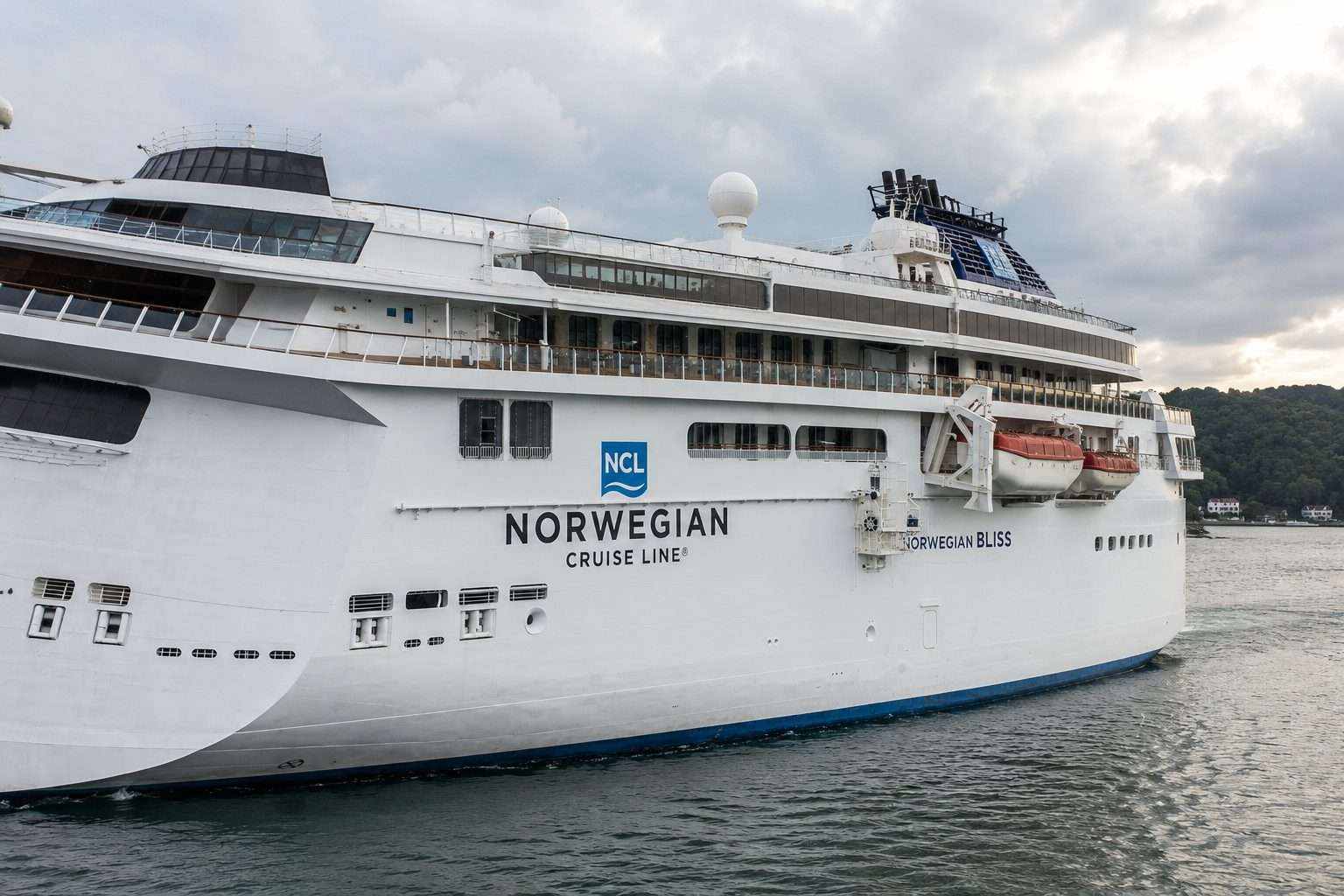
- Norwegian Cruise Line Holdings slashed its 2026 adjusted earnings guidance, now expecting $1.45 to $1.79 per share. The company pointed to pricier fuel, Middle East turmoil, and softer bookings as the main reasons.
- The company is forecasting net yield—revenue per available passenger cruise day, minus certain costs—to drop by 3% to 5% on a constant-currency basis.
- Shares hovered at $17.69 late Thursday morning, holding close to the lows seen after the guidance reset.
Norwegian Cruise Line Holdings slashed its full-year profit outlook, warning investors of a tougher year as higher fuel costs and sluggish bookings in Europe disrupt its recovery. The Miami-based company now sees adjusted earnings per share for the year coming in between $1.45 and $1.79—a significant pullback from the previous $2.38 forecast, and a deeper cut than rivals have signaled.
The cut stands out because, frankly, Q1 wasn’t the issue here. Revenue climbed 10% to $2.3 billion, and adjusted earnings actually topped the company’s forecast. Adjusted EBITDA also moved up 18% to $533 million. What’s getting investors’ attention now? The booking gap, higher fuel costs, and management’s flag about softening summer demand, with Europe looking especially shaky.
Norwegian flagged higher fuel costs, blaming disruptions linked to the Middle East, and noted that some travelers—especially those eyeing Europe—were reconsidering their bookings. Global oil surged past $100 a barrel after U.S. and Israeli strikes on Iran shuttered the Strait of Hormuz, according to Reuters, piling more cost pressure onto both cruise operators and airlines.
The company now sees 2026 fuel costs at $782 per metric ton, net of hedging—previously it had pegged the figure at $670. As of March 31, about 51% of its anticipated fuel needs for the year were hedged. That softens some of the impact, but doesn’t eliminate it.
Chief Executive John Chidsey credited Norwegian for moving quickly to streamline operations, targeting $125 million in annual run-rate savings from cuts in selling, general and administrative expenses. The company finished the quarter with $15.2 billion in total debt, net debt at $15.0 billion and a net leverage ratio of 5.3 times.
Problems with the booking curve linger. Norwegian pointed to continued underperformance versus its preferred range, blaming execution errors and fallout from recent Middle East developments. All three brands—Norwegian Cruise Line, Oceania Cruises, and Regent Seven Seas Cruises—are seeing softer bookings.
Mark Kempa, the chief financial officer, flagged a “significantly weaker than the second quarter” performance for the third quarter, pointing to Europe—which is set to account for roughly 38% of deployment during the period—and persistent sluggishness in Alaska. Fourth-quarter yields, he said, are expected to tick up from Q3 levels, with some lift from the scheduled launch of the Great Tides Waterpark at Great Stirrup Cay by the end of the third quarter. Cruise Industry News | Cruise News
Wall Street isn’t just worried about fuel when it comes to Norwegian. Jefferies analyst David Katz flagged that the 2026 guidance reduction surprised both Jefferies and the broader Street by its size. Management’s focus on filling cabins could weigh on prices for now, Katz noted. The firm maintained its Hold rating.
Shares of Norwegian hovered at $17.69 late Thursday morning, a modest drop for the session. Earlier in the week, the stock slid following the company’s outlook downgrade.
Other cruise operators have to deal with the same spike in fuel costs, though comparing them isn’t straightforward. Royal Caribbean trimmed its 2026 profit target due to fuel and geopolitical headwinds. Still, the company projects net yields rising 1.5% to 2.5% on a constant-currency basis, and noted that Mediterranean bookings have bounced back, outpacing last year’s numbers.
Carnival slashed its annual profit outlook back in March after fuel prices spiked. The cruise giant is usually unhedged when it comes to fuel, making it more vulnerable to swings in oil, Reuters noted. Fitch Ratings’ John Kempf flagged that persistently high fuel costs would hit Carnival, but pointed out the company’s size and liquidity give it room to maneuver.
Norwegian’s cost-cutting measures might give it a brief reprieve, but they won’t necessarily boost occupancy or pricing. Persistent high oil prices or further cracks in European demand could see third-quarter pressures bleeding into the fourth. On the other hand, a break in oil costs and a rebound in last-minute bookings might let the newly-installed management use the revised outlook to reposition guidance. Right now, management wants shareholders focused beyond a solid first quarter, betting on their ability to pull off a tougher turnaround.