
London, May 9, 2026, 16:11 (BST)
- Haleon ended May 8 at 331.20 pence, slipping 1.16%, with around 39.7 million shares changing hands.
- On May 7, the company posted a routine update for its £10 billion Euro Medium Term Note programme.
- Haleon reaffirmed its 2026 guidance as first-quarter organic revenue ticked up 2.2%, weighed down by sluggish cold and flu demand.
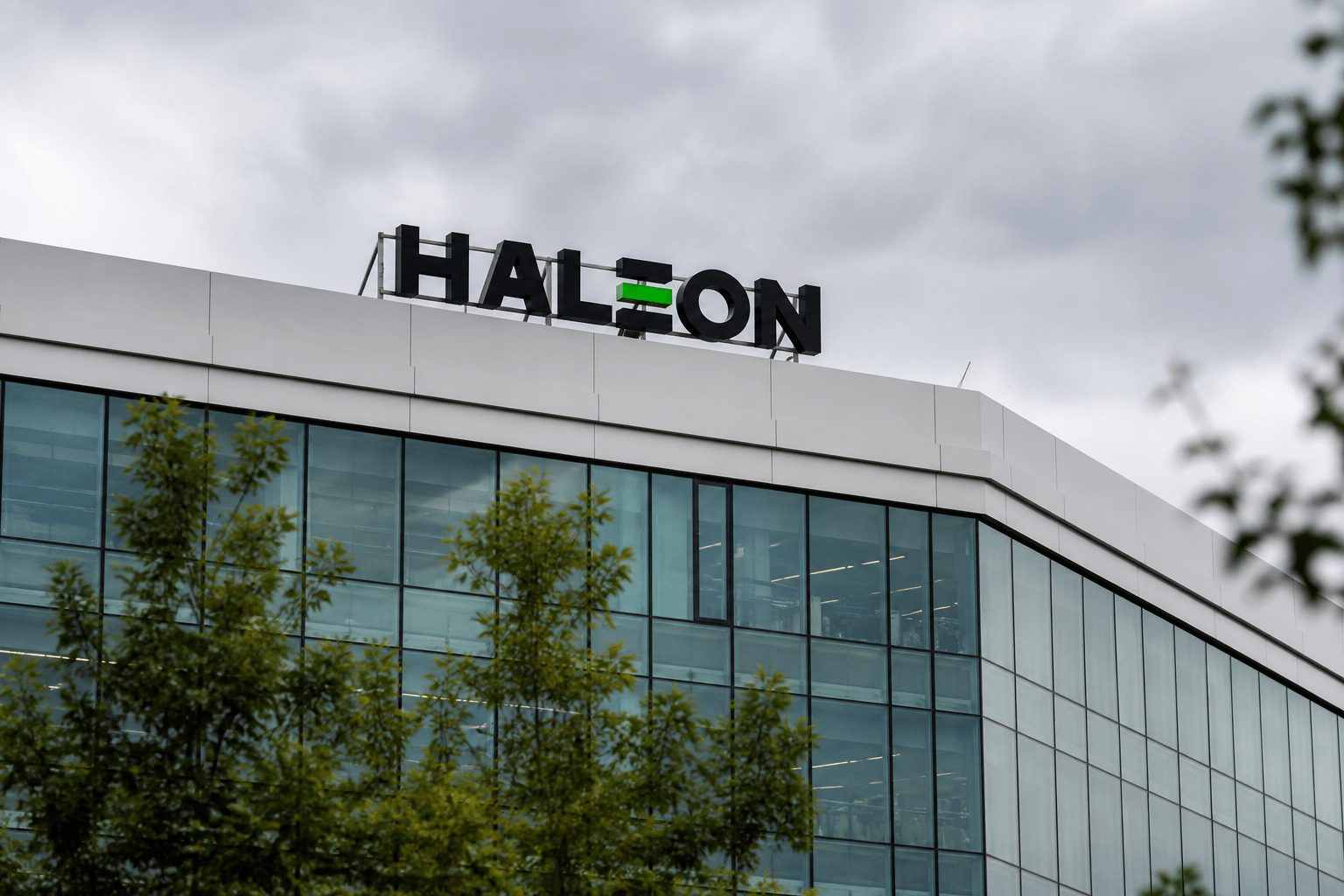
Haleon PLC slipped in London this week. Investors zeroed in on the Sensodyne and Panadol maker’s newest market filings, bringing its funding flexibility, share buyback plans, and weaker Q1 growth back under the spotlight.
Timing’s key here. Haleon wants to convince investors the weak cold and flu season was just a temporary hit—not a sign of underlying demand trouble—while it keeps pushing out buybacks and stays plugged into the debt markets.
Shares finished Friday at 331.20 pence, slipping 1.16% after starting the session at 337.20 pence and hitting a low of 329.30 pence, according to Investing.com data. That puts the stock far from its 52-week peak; the numbers show a yearly range from 325.10 pence up to 419.40 pence.
On May 7, Haleon announced it had released listing particulars for a £10 billion Euro Medium Term Note programme through Haleon UK Capital plc and Haleon Netherlands Capital B.V., with the parent guaranteeing the notes. This EMTN acts as a standing bond shelf, letting the company tap the market incrementally. The move doesn’t mean Haleon has borrowed the entire £10 billion.
That same week, Haleon disclosed more share purchases. According to a U.S. SEC filing, the company picked up 12,171,987 ordinary shares for cancellation as part of its buyback program. The trades took place from April 27 to May 1, spanning the London Stock Exchange, CBOE UK platforms, and Aquis.
Once those deals close, Haleon will have 8,878,226,798 ordinary shares outstanding, all with voting rights. Buybacks shrink the share count, which can push up per-share metrics, but they also pull cash away from things like paying down debt, investing in the business, or making acquisitions.
Haleon set aside £500 million for 2026 share repurchases, and by the close of the first quarter, roughly 36% of that buyback was already done. The company stuck with its guidance for the full year, aiming for organic revenue growth between 3% and 5%—that figure excludes both currency effects and portfolio shifts. Adjusted operating profit, measured at constant currency, is expected to rise by a high single-digit percentage.
Haleon’s first-quarter revenue landed at £2.86 billion, barely budging from a year ago. Stripping out currency moves, organic revenue ticked up 2.2%—price added 2.4%, but volume slipped 0.2%. The company blamed a sluggish cold and flu season for dragging growth down by roughly 130 basis points, or 1.3 percentage points. Oral Health climbed 8.3%, lifted by Sensodyne and parodontax, but Respiratory Health dropped 3.4%.
Brian McNamara, the chief executive, described the latest quarter as a “competitive performance in a challenging market.” He’s forecasting that growth “will accelerate across the balance of the year.” Haleon highlighted a rebound to organic growth in North America and resilience in oral-care, yet much of the momentum is still dependent on a handful of standout categories. Haleon Corporate
Cost pressures remain in focus. Back on April 29, Reuters flagged that Haleon had issued a warning about freight costs rising due to the Iran conflict. Procter & Gamble and Reckitt are feeling the squeeze too, with both higher energy and freight expenses. “We started to see surcharges on freight, quite small, but I would expect that to increase,” Chief Financial Officer Dawn Allen told analysts. Reuters
Consumer spending in the Middle East, which brings in roughly 5% of Haleon’s revenue, slid by a low-double-digit percentage, McNamara told analysts, according to Reuters. He noted the company might “tweak” pricing when it makes sense. Fixed-price contracts and hedging, he added, are holding costs in check. Reuters
Jefferies is staying positive. Analyst David Hayes argued Haleon should work harder to clarify its underlying growth rate, once the noise from cold and flu swings is removed. Jefferies has stuck with its Buy rating, though the target price dropped to 400 pence from 450, according to Proactive Investors earlier this week.
Still, the rebound isn’t guaranteed. If illness rates stay low, freight expenses climb, or U.S. shoppers pull back—plus any drop in Middle East demand—Haleon might have to rely more heavily on price hikes, cutting costs and share buybacks, instead of growing sales volumes.
The half-year numbers land July 30, with a Q3 trading update set for October 29. Eyes will be on signs of a North American rebound—and whether Oral Health is still shouldering more than its share.