
London, May 9, 2026, 17:05 BST
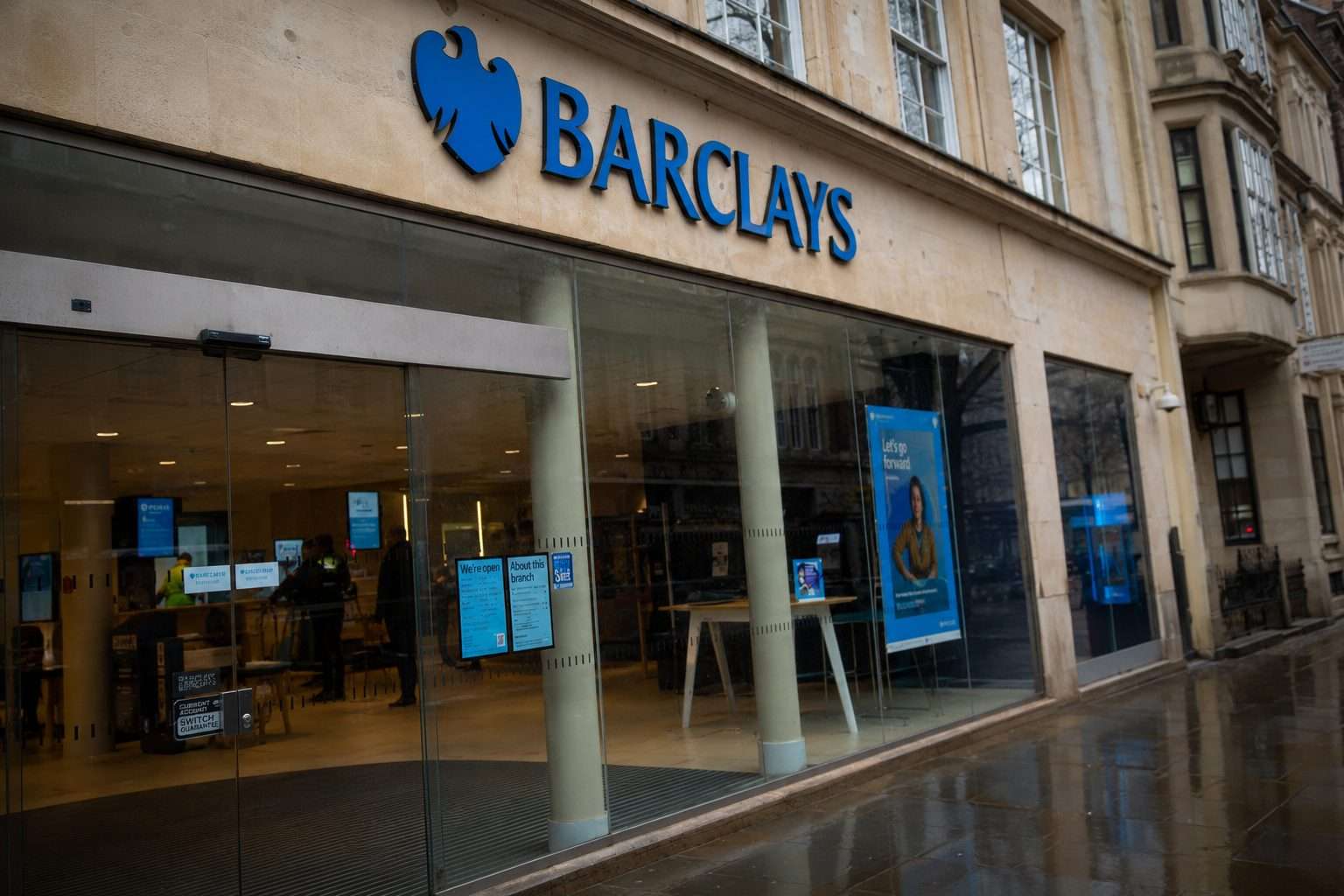
Barclays PLC wrapped up its £1 billion share buyback, then wasted no time launching another £500 million repurchase, pushing ahead with capital returns while legal bills and credit provisions remain in focus for investors. The bank bought back 234,851,257 ordinary shares at an average of 425.8014 pence per share; those shares will be cancelled. Under the fresh programme, Barclays could repurchase as many as 832,521,312 shares.
The timing’s key here: Barclays kicked off the new buyback on May 8, following shareholder approval of every resolution at its annual general meeting the day before—including the green light to repurchase its own shares. A buyback shrinks the share count, leaving those still holding a larger piece of future profits.
The first quarter update was a confidence check for Barclays. The bank reported £2.8 billion in pretax profit from January through March. But shares felt the drag: a £228 million provision related to MFS’s collapse, plus the buyback—just £500 million—fell short of expectations. Chief Executive C.S. Venkatakrishnan told Reuters that diverging U.S. regulations are tilting the field, giving Wall Street banks “a competitive edge.” Reuters
Barclays shares in London ended Friday at 435 pence, slipping 0.08% following a volatile stretch for UK banks. Despite holding comfortably above their level from a year earlier, investors are still weighing if capital returns are enough to counterbalance concerns about sporadic charges and areas of weakness in the investment bank.
Competition is heating up. Lloyds Banking Group kicked off a £1.75 billion buyback earlier this year after lifting its profit target, and NatWest rolled out a £750 million buyback as it set stronger goals and sharpened its focus on wealth management. Reuters
Barclays aims to hand back over £15 billion to shareholders over 2026-2028, and is shooting for a return on tangible equity north of 14% by 2028. The metric, widely used across the sector, measures profit against shareholder capital—excluding goodwill and intangibles.
The road ahead is bumpy. On Friday, Britain’s Financial Conduct Authority said a tribunal hearing on the legal challenges to its £9.1 billion car-finance compensation scheme probably won’t happen before October—and there’s a chance the scheme could be scrapped altogether. Reuters reported Barclays, Lloyds, and Santander UK have already signed on to the revised plan and put funds aside.
Barclays’ latest buyback puts some downward force on its share count, but bigger issues remain. Investors are still left wondering: will bad-loan charges stay in check? Could there be another twist in motor-finance redress? And can the investment bank really compete with bigger U.S. names during choppy markets?
The message right now comes down to this: Barclays continues to return cash. Investors, for their part, are watching closely to see just how much of that capital actually makes it through the legal, credit, and trading risks that remain.