
PERTH, May 10, 2026, 23:02 (AWST)
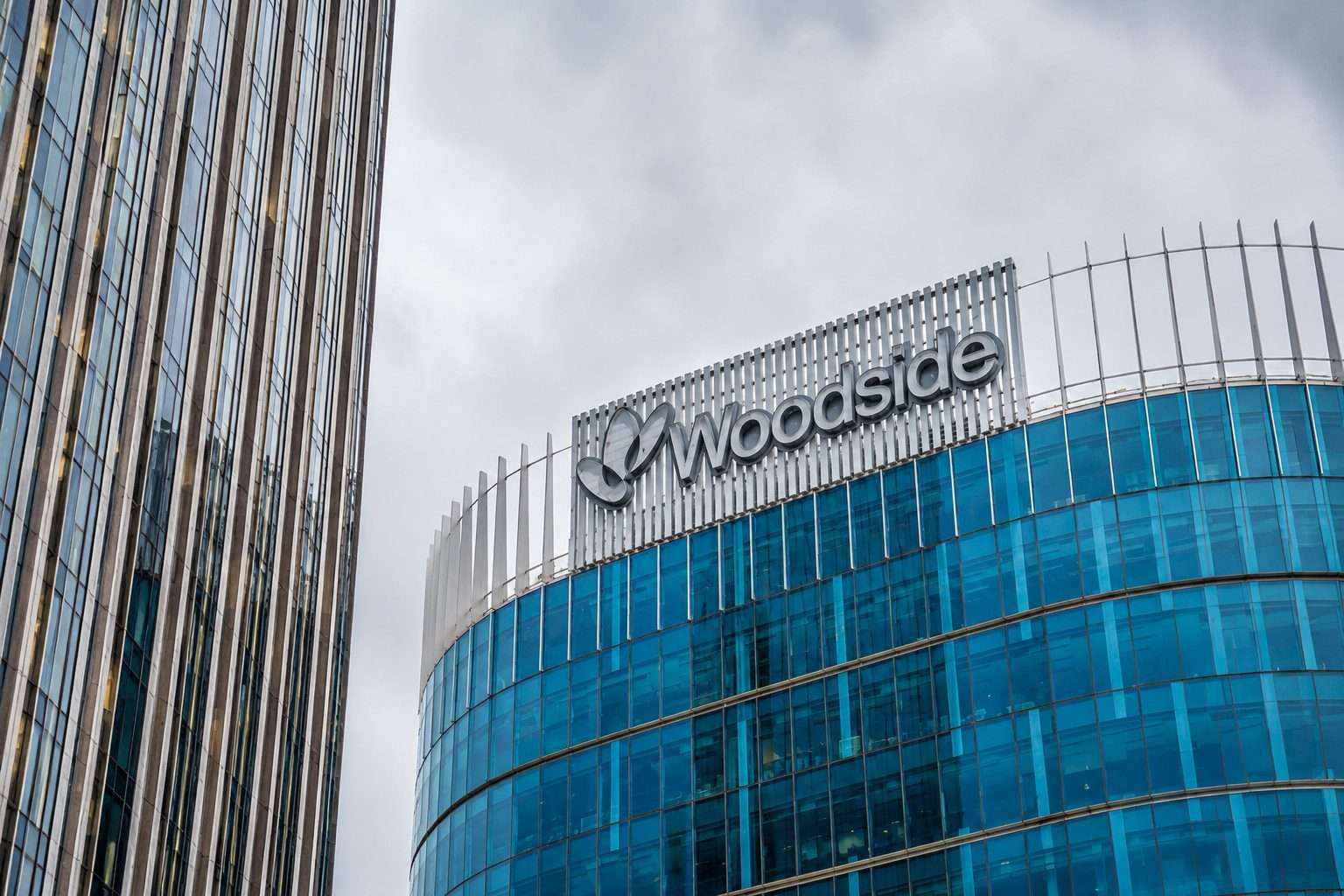
Woodside Energy Group’s $30 billion Browse gas project is edging closer to a potential federal go-ahead, possibly as early as next month. The massive undeveloped offshore gas resource is back on the radar for investors, just as Canberra gears up to reveal a lift in offshore gas-tax revenues. ABC News
Timing is key here. Woodside is pushing ahead with major, long-term developments just as Australia’s gas policy is pulled in different directions: supply security, household energy costs, export cash, and climate concerns all competing for priority. Treasurer Jim Chalmers says the Petroleum Resource Rent Tax (PRRT), which targets offshore oil and gas profits, is set to generate more revenue than earlier estimates. Still, the government isn’t planning to alter current tax rules. ABC News
Woodside isn’t limiting itself to Australia. The company and Angola’s oil and gas regulator ANPG have inked a memorandum of understanding—a non-binding framework—to evaluate offshore hydrocarbon potential in blocks 25, 26 and 43, according to The Energy Year, which referenced ANPG. The scope includes a review of geological and geophysical datasets: 2D and 3D seismic, plus well reports. The Energy Year
Ecofin Agency reported the Angola deal was inked May 6, with both parties keeping quiet on price details and deadlines. The arrangement is still preliminary—no production underway, and it’s not locked in as an exploration commitment yet. Ecofin Agency
Angola is pushing to attract additional offshore investment, aiming to counter falling production from aging fields. Shell and Chevron are both in the mix. Reuters has flagged Shell’s expected exclusive negotiation deal on multiple blocks, while Chevron reached a preliminary understanding with ANPG over block 33/24. Reuters
Browse looms larger for Woodside in the immediate future. The company bills it as Australia’s biggest undeveloped offshore gas resource, with plans calling for two floating production, storage and offloading vessels. Capacity? 11.4 million tonnes annually—LNG, LPG and domestic gas all included—and a pipeline stretching about 900 kilometres to the Karratha gas plant on the North West Shelf. LNG stands for liquefied natural gas: gas chilled until it turns to liquid for shipping. Woodside
According to department documents cited by ABC, the final recommendation for Environment Minister Murray Watt might arrive as early as next month, or it could slip to sometime between mid and late 2026. The actual handover hinges on the state-level assessment, ABC noted. ABC News
Woodside is signaling it’s moving beyond just talking about Browse. The first-quarter report detailed that contractors are already lined up for pre-FEED engineering on the floating production facilities, and invitations to tender have gone out for both design and construction. FEED—short for front-end engineering and design—comes right before a big investment call. SEC
Chief Executive Liz Westcott is keeping capital discipline front and center. “Cost discipline is essential to sustainable shareholder value creation,” Westcott said in Woodside’s first-quarter report, as the company kicks off a structured review aimed at streamlining operations and boosting accountability. SEC
Woodside logged first-quarter operating revenue at $3.26 billion, with production reaching 45.2 million barrels of oil equivalent and an average realised price coming in at $63 per barrel of oil equivalent. Scarborough progressed to 96% completion—first LNG cargo remains set for the fourth quarter of 2026. Louisiana LNG hit 24% completion, eyes first LNG in 2029. SEC
“The market will look for at least mid-single-digit efficiency gains to validate the review,” said Marc Jocum, senior product and investment strategist at Global X ETFs, in comments to Reuters. That translates to about $100 million to $200 million annually in savings, based on Woodside’s operating and corporate expense base, according to Reuters. Reuters
Woodside shares ended Friday at A$30.05 on the ASX, sliding 1.44% before markets shut for the weekend. Over in the U.S., its shares finished at $21.57 that same day, market data shows. Reuters
Still, Browse faces hurdles on several fronts: regulatory approvals, environmental pushback, and tax exposure remain unresolved. Opposition from environmental groups centers on development near Scott Reef. ABC has cited estimates putting the project’s annual carbon dioxide output somewhere between 6.4 million and 6.8 million tonnes. Meanwhile, the proposed carbon capture and storage scheme—designed to sequester those emissions underground—has been pulled for resubmission to comply with updated environment laws. ABC News
Tax is still a wild card. Woodside’s CFO Graham Tiver last month flagged concerns that stacking a 25% exporter tax with PRRT and corporate tax could threaten the viability of projects, according to ABC. “I’m not sure how any project would survive,” Tiver said. ABC News
But before anything happens with the Angola study, Woodside faces a more immediate challenge: getting Browse through the approvals process without hitting fresh fiscal hurdles. Meanwhile, projects like Scarborough, Louisiana LNG, and Trion are still demanding significant investment and attention from management. Investors will get an update when the company reports second-quarter results on July 29. SEC