
NEW YORK, May 11, 2026, 10:11 EDT
- The Roundhill Memory ETF hovered close to $54 in early Monday action, gaining roughly 2.7% as investors leaned into the fund for a lower-cost play on AI memory demand.
- Micron tacked on roughly 3.3%. SanDisk, meanwhile, slid about 1.5% following a strong rally that’s left some investors questioning the case for owning the stock outright.
- High-bandwidth memory—HBM—continues to fuel demand, as this speedy stacked memory gets paired with AI chips. DRAM working memory and NAND flash in SSDs are also key pieces of the puzzle.
Investors seeking AI storage exposure are starting to turn to a new memory-chip fund, as shares of SanDisk and Micron have shot up, making it pricier—and riskier—to buy in directly.
The Roundhill Memory ETF—trading as DRAM—hit the market April 2, pitching itself as the first exchange-traded fund zeroing in on memory stocks. It targets global producers of HBM, DRAM, NAND flash, and solid-state storage. The expense ratio clocks in at 0.65%.
Timing is key here. Investors aren’t just chasing Nvidia and its AI graphics chips anymore—they’ve turned their attention to the memory and data-transfer chips tucked inside servers, now a critical choke point as large language models balloon in size and cloud companies ramp up AI infrastructure spending.
Roundhill’s DRAM ETF debuted with a portfolio featuring names like Samsung Electronics, SK Hynix, Micron and SanDisk—tracking the same memory stocks that have seen a surge. “Memory is moving to the center of the AI ecosystem,” Roundhill CEO Dave Mazza said at launch. PR Newswire
DRAM’s assets under management hit $6.25 billion in about a month, Benzinga said Sunday. Since launching in April, the fund’s return topped 80%. Just 13 companies make up the portfolio, according to the report.
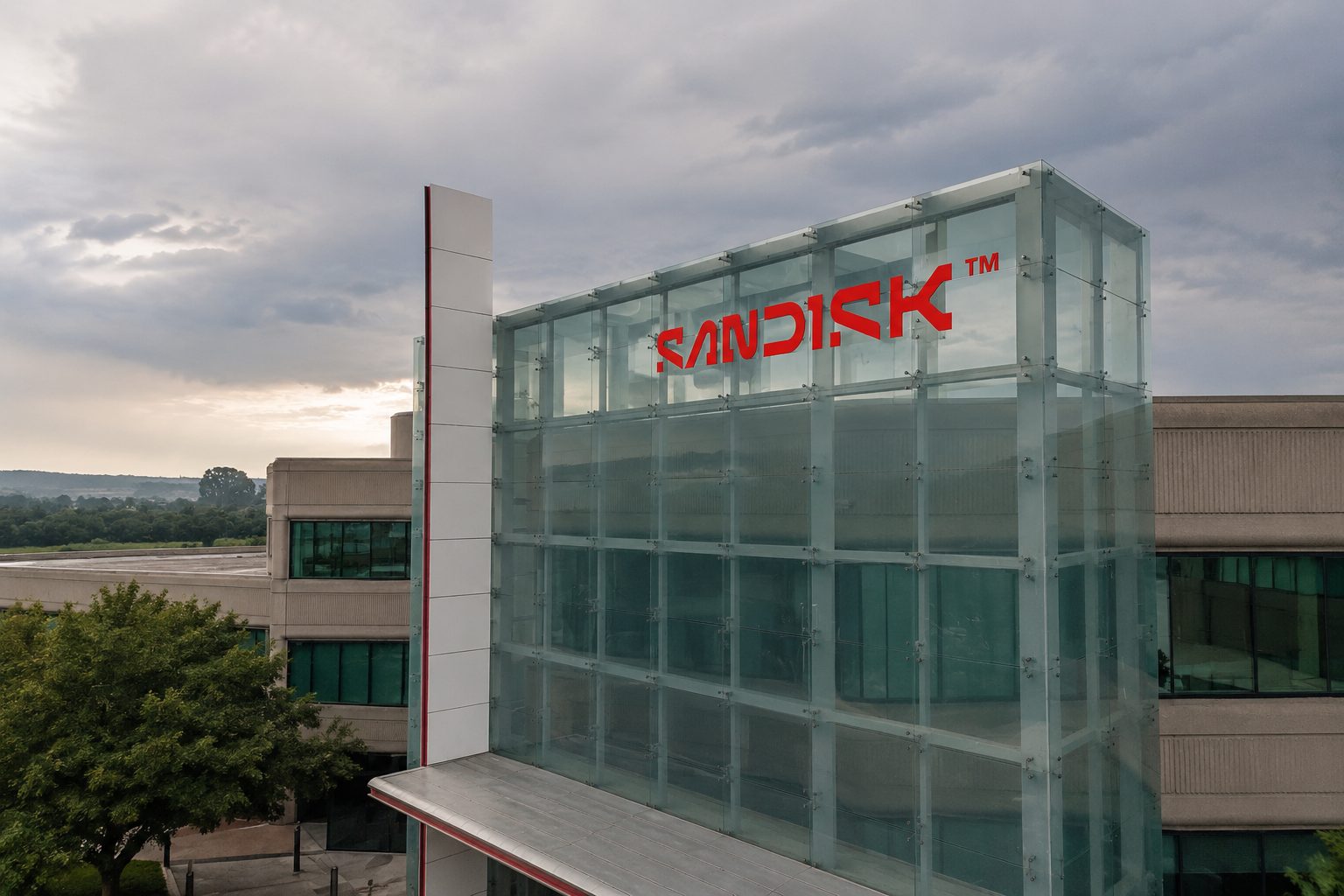
SanDisk caught the market’s eye with fiscal third-quarter revenue hitting $5.95 billion, a 97% jump from the previous quarter. Data-center sales soared even more, up 233% sequentially. CEO David Goeckeler pointed to an accelerating pivot into higher-value markets, with data centers out front, as the company pursues multi-year deals anchored by solid financial commitments.
That old anxiety lingers—memory is notorious for its cycle of booms and busts. SanDisk told Reuters it’s signed five long-term supply deals, locking in at least $42 billion across three of them, aiming to blunt those wild price swings. “Consistent, predictable economics,” said Goeckeler. Reuters
Micron picked up another vote of confidence from Wall Street on Monday after Deutsche Bank bumped its price target to $1,000 while sticking with a Buy. The firm pointed to AI’s impact on memory market cycles, and flagged that clean-room constraints, the slowdown in chip-scaling, and trade-offs in HBM output were holding back supply.
The race is close. According to a May 4 Voronoi/Visual Capitalist chart, Samsung, SK Hynix, and Micron dominate the memory-chip sector in terms of market value, while valuations fall off sharply for everyone else. This kind of clustering has pushed investors toward DRAM baskets, instead of trying to bet on a single winner after the rally.
Supply fears are fueling the rally. On Monday, TipRanks flagged that Samsung unions are gearing up for a strike from May 21 through June 7. That action, according to the report, threatens to wipe out roughly 3% of the world’s memory-chip supply if talks fail. Shares in Micron and SK Hynix climbed as traders wagered that tighter supply could prop up prices.
The risks, though, are far from minor. Futu points to BOCOM International Research, which sees the current memory rally stretching at least into the first quarter of 2027. Still, Futu flags the threats: too much supply, a pullback in AI-related spending, inventory piling up on speculation, and possible product blunders—all factors that could break the cycle. Roundhill’s own disclosure notes memory stocks are prone to swings, and the fund itself is both concentrated and non-diversified.
Retail buyers are showing up late to the rally. According to Bloomberg, last week saw tech stock purchases by individual investors hit a one-year high, with memory-chip makers and AI hardware especially popular. That’s enough to keep momentum going for now, but it complicates any decision on when to get out.