
OSAKA, May 13, 2026, 01:09 JST
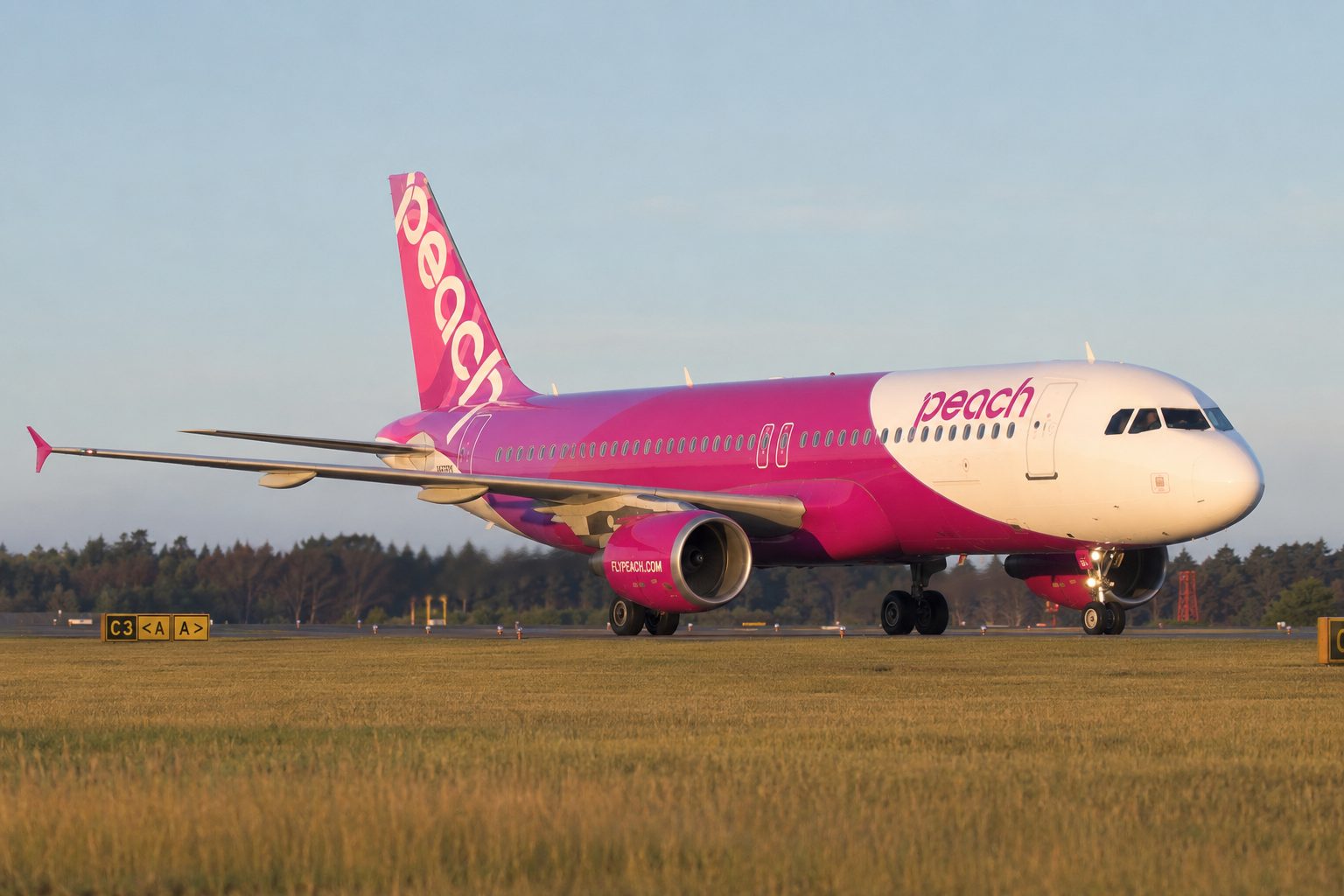
Over the last day, FlyTeam posted new aircraft-photo entries featuring Peach Aviation’s Airbus A321neo-family JA901P at Kansai International Airport, along with All Nippon Airways’ Airbus A320neo JA212A at Narita. The latest photos offer an updated look at some of the narrow-body jets ANA Holdings deploys throughout Japan and Asia. The FlyTeam archive also links to a 2019 image of Peach’s A320 JA805P at Kansai.
The shift lands as ANA Group heads into fiscal 2026, now leaning on a streamlined passenger-airline setup: just full-service ANA and budget operator Peach. That follows its late March decision to sunset AirJapan brand flights. Narrow-body jets—single-aisle aircraft common on domestic and short-haul regional runs—are now the backbone of the plan.
ANA Holdings announced Peach will boost overall flight frequency to 112% of last year’s level, tweaking capacity on routes such as Kansai–Seoul, Kansai–Taipei, Kansai–Hong Kong, and Narita–Taipei. The group expects ANA’s international flight frequency to reach 105% compared to the previous year.
Inbound demand is what keeps the plan moving. According to the Japan National Tourism Organization, 3.62 million foreign visitors came in March—up 3.5% from last year. Arrivals for the first quarter edged up 1.4%. The split isn’t balanced: visitors from China sank 55.9% in March, but South Korea was up 15.0% and Taiwan surged 24.9%. Both those markets feed directly into Peach’s North Asia network.
Flight-tracking data indicated JA901P was flying Peach routes between Osaka, Bangkok, and Hong Kong on May 12. ANA’s JA212A also appeared that day, operating Narita–Dalian flights—further evidence that the aircraft in these photo listings are actively serving regional routes, not just static fleet entries.
Peach has used the A321LR—a long-range member of the Airbus A321 single-aisle family—to push its low-cost flights past what its older A320s could do. Back in 2021, when the first A321LR touched down at Kansai, the jet was configured with 218 seats and offered a 7,400 km range. Then-CEO Takeaki Mori touted the move as “highly efficient and environmentally friendly.”
The range is key, as the route map makes clear. Among Peach’s international destinations: Seoul, Taipei, Kaohsiung, Shanghai, Hong Kong, Bangkok, and Singapore. The Osaka-Kansai–Singapore route launched in December 2024.
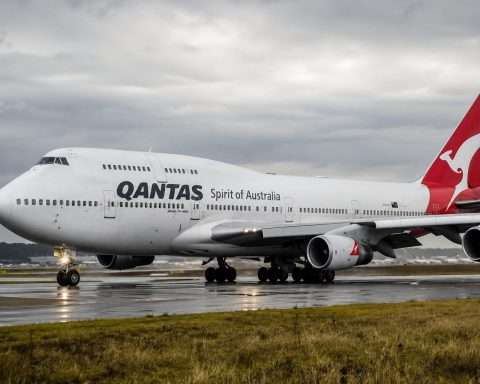
Rivals are on the move, too. Back in February, Qantas announced plans to offload its 33.3% stake in Jetstar Japan. A shareholder group led by JAL is stepping in, with the aim of rebranding the airline and expanding its international routes. “The new structure would help the carrier ‘respond flexibly to market changes,’” JAL Group Chief Executive Mitsuko Tottori said. Reuters
Tokyo markets hadn’t opened when this was published. ANA Holdings finished Tuesday’s session at 2,789.50 yen, down 1.38%, Google Finance shows.
Fuel remains the sticking point. Last month, Reuters reported that ANA and JAL are still seeing elevated fuel costs linked to the Middle East conflict—despite no direct hit to supply. ANA has put the potential extra burden at 140 billion yen, but says hedging, higher fares, and cost-cutting would trim that to about 60 billion yen. The company’s May-June surcharge chart tells the same story: for flights leaving Japan to Europe, North America, the Middle East, or Oceania, surcharges come in at 56,000 yen.
FlyTeam pages aren’t route announcements, delivery bulletins, or capacity filings. They’re a window into the tougher challenge confronting ANA Holdings right now: push Peach deeper into Asia, preserve the ANA premium lineup—juggling that as fuel costs, airfare levels, and the mix of travelers keep moving around.