
New Delhi, May 12, 2026, 22:35 IST
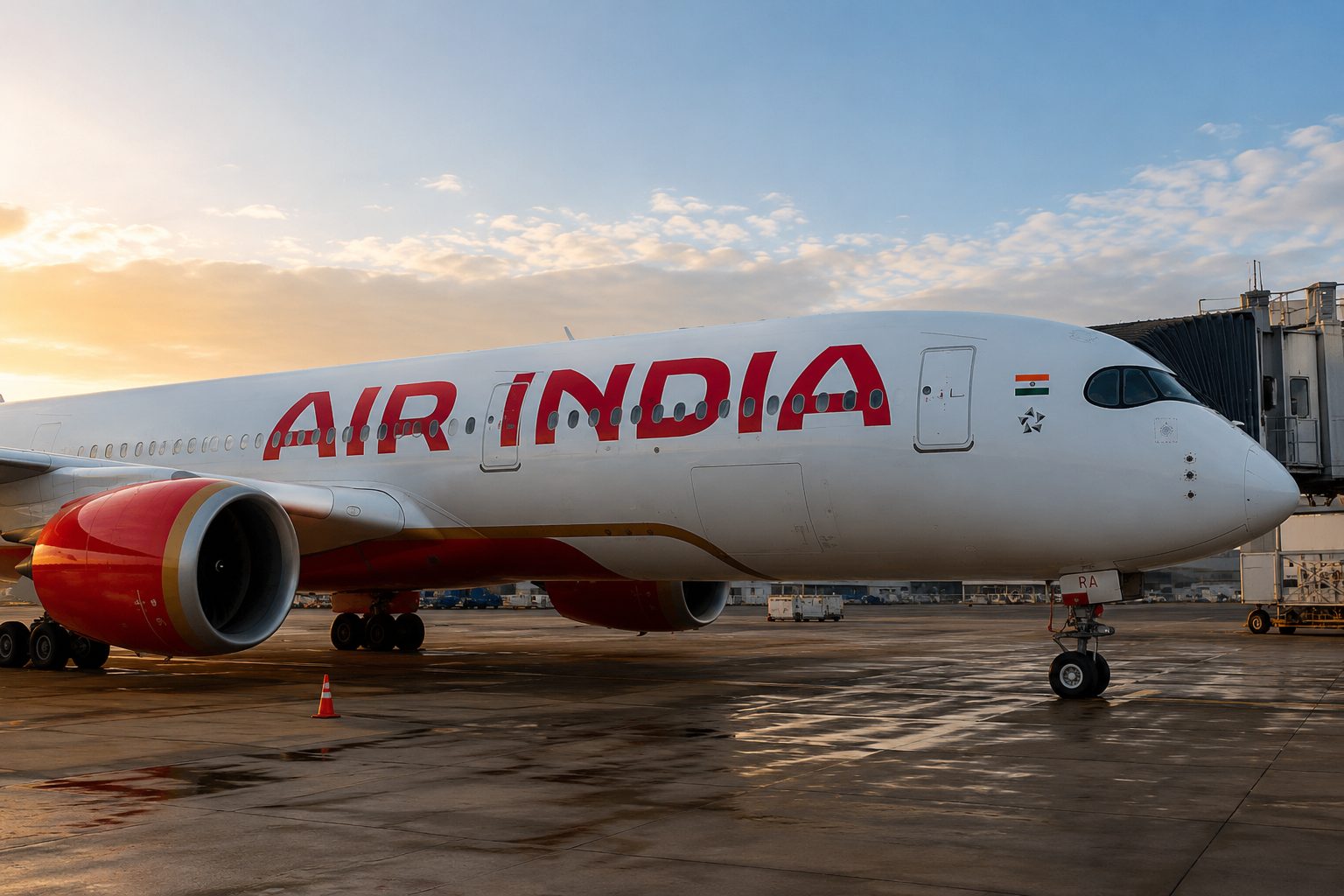
Contrary to social media chatter, Air India isn’t scrapping all international routes until July 2026. The Tata Group carrier is scaling back select overseas flights in June and July, responding to higher fuel bills, airspace restrictions and longer flight paths pressuring its network.
The nuance is crucial for summer travelers: out of over 1,000 daily flights, around 100 are set for short-term reduction, rescheduling, or cancellation—a partial trim of 10% to 12%. Air India isn’t halting its international operations, despite some confusion.
Chief Executive Campbell Wilson, in a message to employees, said the airline scaled back some flights in April and May, citing a “massive rise in jet fuel prices” and longer routes that have pushed many international services into the red. Jet fuel—aviation turbine fuel, or ATF—stands as one of the biggest expenses for airlines. India Today
Air India is feeling the squeeze internally. The company has pushed back annual salary hikes by at least a quarter, though it says variable pay and scheduled promotions are still on. “We don’t anticipate layoffs,” Chief Human Resources Officer Ravindra Kumar GP told employees, according to People Matters. People Matters
Wilson warned staff the airline can’t push fares much higher without losing customers—“We can only raise fares so far before people decide to stay home,” he told employees, per Moneycontrol. He urged the team to clamp down on spending and stick with the turnaround push. Moneycontrol
Air India is targeting pricier long-haul and overseas routes for reductions, with Europe, North America, Australia, and Singapore all in the crosshairs. Cities named in reports—Chicago, Frankfurt, Vancouver, Melbourne, and Singapore—could see cutbacks in flight frequency. Certain routes like Delhi-Vienna and Mumbai-Osaka are flagged for short-term suspension, according to reports.
Air India’s situation isn’t unique. Carriers across India are dealing with the fallout from restricted airspace over both West Asia and Pakistan—rerouting flights, adding miles, and bumping up fuel costs. Amit Mittal, an independent aviation expert, called it a “double whammy” for Indian airlines on international legs. Reuters noted that both Air India and IndiGo have had no choice but to tack on extra miles, burning more fuel. Reuters
Competitive pressure isn’t hitting everyone the same way. IndiGo, the largest airline in India, is dealing with elevated fuel and rerouting expenses too. Still, Air India’s bigger long-haul footprint leaves it feeling the squeeze more on U.S. and European routes. That’s where rivals like Lufthansa and American Airlines can take advantage of shorter flight paths.
New Delhi’s response? A 25% monthly cap on ATF price hikes for domestic flights, aiming—according to the government—to shield passengers from abrupt fare jumps. But that ceiling offers no cover for international routes. The economics there can unravel fast, as longer flight paths and bigger fuel bills pile on.
If the West Asia conflict drags on and the Strait of Hormuz stays blocked or fuel prices keep climbing, those cuts could go deeper. Air India CEO Wilson said he wanted to see things calm down in the Middle East and the Strait reopened, “so that we can get back to a more normal state,” but right now, the airline says it’s got “no choice” except to pull back on its June and July schedules. Ndtv
Passengers care about whether their flight is operating, not blanket cancellations. Air India says travelers should check flight status before leaving for the airport. When scheduled flights have been suspended, the airline has provided options for rebooking or refunds.
Air India’s sweeping revamp after privatisation has entered a rougher stretch. Losses for the group topped ₹22,000 crore in the year to March 31, 2026, according to estimates, as it pushes ahead with aircraft upgrades, service improvements, and efforts to restore its international presence.