
London, May 13, 2026, 09:12 BST
- Rio Tinto shares in London hovered near 8,200p, up about 3.5% from the previous session, with copper futures close to all-time highs.
- This isn’t just a reaction to a single company news item—investors are recalibrating Rio’s copper growth prospects at Oyu Tolgoi, Kennecott, and Resolution.
- Bulls are focusing on a clearer copper narrative, while bears flag China iron ore risk, ESG overhang, and a share price pressing up against recent highs.
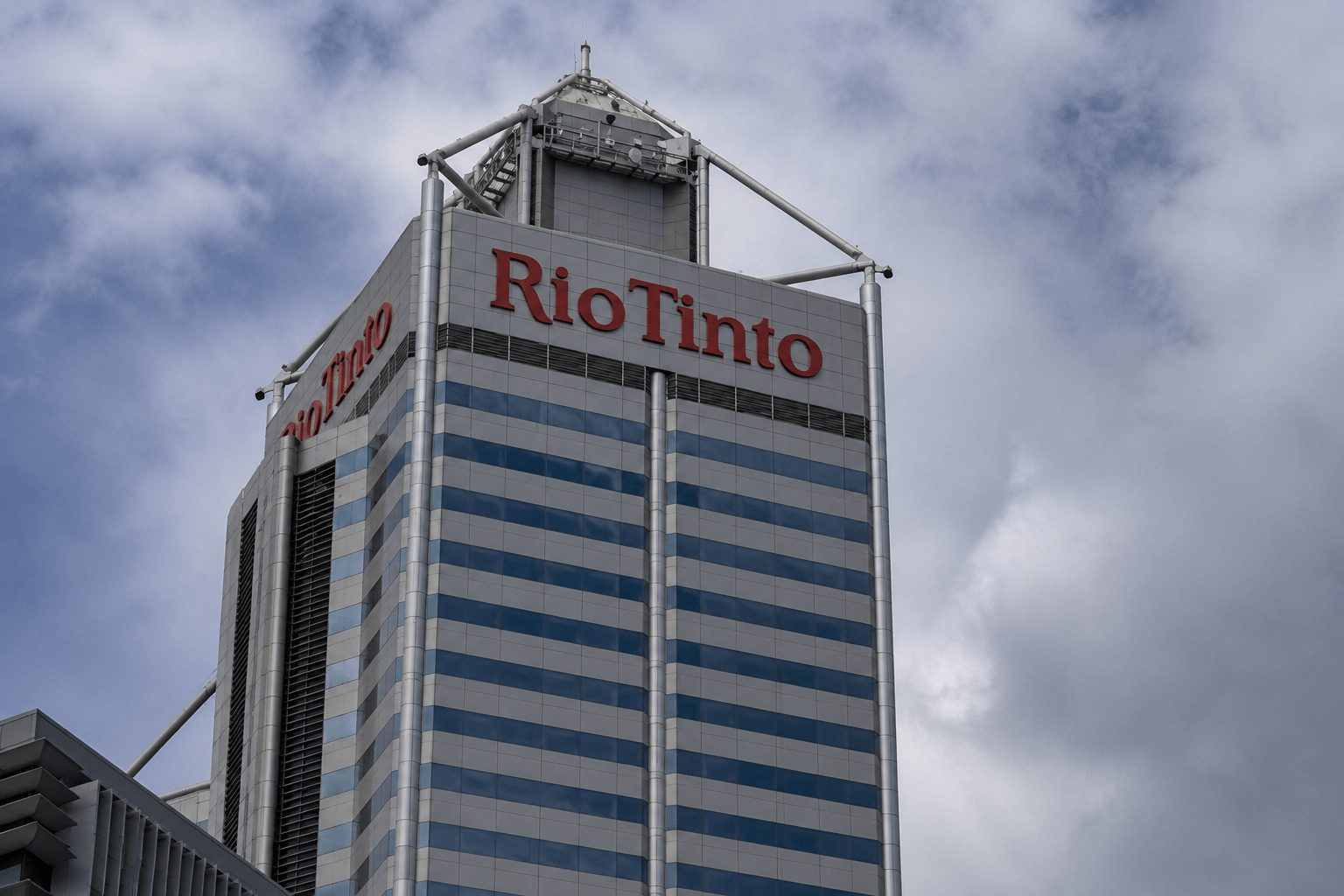
Rio Tinto plc shares leapt at the open in London, changing hands at 8,197p after closing at 7,920p and even hitting 8,268p earlier. For a miner of Rio’s scale, that’s a sharp swing. Right now, the copper narrative is what’s moving the stock, with the rest trailing behind.
It’s straightforward, though there’s more to it. Copper futures hovered near $6.64 a pound, climbing from $6.531 at the prior close and coming within a hair of $6.69 during the session. The contract has soared over 42% in the past year. Such a surge doesn’t just juice current revenue for producers—investors are also reassessing how they value future mine output, especially with talk of supply staying tight long term.
This is a big deal for Rio at the moment. The miner has been working hard to shake off its image as merely an iron ore juggernaut with a splash of copper. Over in Miami at Bank of America’s metals conference, Rio put Chief Executive Simon Trott up front, delivering its pitch to investors just as copper prices were notching new records.
Trott didn’t mince words. On the call, he called Rio’s approach a “winning formula,” but immediately pivoted to safety—emphasizing, as he put it, that nothing outranks making sure employees get home unscathed. It’s a deliberate blend: leadership touts growth, while underscoring caution following fatal accidents and a battered reputation. Seeking Alpha
The bull camp is leaning heavily on both copper volume and tightening supply. Rio logged a 9% increase in copper-equivalent production for the first quarter—this metric rolls different metals into copper terms for apples-to-apples growth tracking across the portfolio. Actual copper output also climbed 9%, lifted by higher volumes from Oyu Tolgoi. Pilbara iron ore production wasn’t left behind either, notching up 13%.
There’s a pipeline element, too. Rio has been considering an increase to its 17.2% ownership in McEwen Copper’s Los Azules project in Argentina, a significant but still untapped deposit, while it trials its Nuton leaching tech on site. Per Reuters, Los Azules is aiming to kick off production in 2030, targeting roughly 204,800 metric tons of copper cathode annually for the first five years.
Bears argue the trade is getting both crowded and pricey. Iron ore—still Rio’s main profit driver—slipped to $111.11 a ton on May 12, losing ground that day, though it’s up for the month. Clyde Russell at Reuters points out that while China’s iron ore imports seem stable, stockpiling, not hot steel demand, is behind the numbers. Chinese steel production dropped 4.6% in the first quarter; exports sank 9.7% through the first four months.
The lines are drawn. Bulls push for a richer copper premium on Rio, citing its size, balance sheet muscle, and big-ticket mines—assets that could move the needle in a copper-starved market gearing up for power grids, data centers, EVs. On the flip side, bears remind that copper squeezes don’t just hinge on surging demand; they say supply shocks can unwind in less time than it takes for lofty valuations to deflate.
The competitive angle is clear. BHP’s incoming CEO Brandon Craig says he’s targeting post-2035 growth—exploration, partnerships, smaller bolt-ons, if the value stacks up. Shares in BHP touched a record A$61.61 on Wednesday, now up 31% for the year. It’s the market’s refrain for BHP, Rio, Glencore, and Anglo American: copper resources are tight, and the majors are measured by how they land more.
Prediction markets aren’t blinking—what’s happening looks like a straight-up shift in commodity prices, not any looming takeover. Over on Polymarket, the odds of a Glencore-Rio Tinto merger or sale getting announced by June 30 barely register at 1%. Kalshi’s copper contracts? Those point to 55% odds that copper tops $6.35 per pound by May 29, with a 34% chance of prices clearing $6.41. Bottom line: traders aren’t shelling out for a splashy Rio-Glencore tie-up, and even with copper hitting records, nobody’s calling it a done deal.
There’s another headwind the market might be overlooking: ESG and social-license risk. Reuters said a sacred Aboriginal waterhole in Western Australia has dried up—something traditional owners blame on years of water extraction by Rio, while Rio attributes the loss to a lack of rain and highlights its support for a desalination plant alongside the state government. These factors rarely derail copper’s momentum on the day, but they do add to project risk, complicate permitting, and invite more investor scrutiny.
Rio’s getting a pass from the market for the time being. Shares are reflecting a bet that copper’s surge can lift Rio’s future cash haul more quickly than any drag from iron ore or ESG risks. That’s a strong position, but it’s a tough crowd—trading above 8,000p, the company needs to show it can actually deliver on copper growth, since that’s what’s priced in now.