
London, May 13, 2026, 14:44 BST
- On May 12, Aviva snapped up 900,000 shares for cancellation as part of its continuing buyback programme.
- The insurer will release its first-quarter trading update at 0700 BST on May 14.
- Capital returns, Direct Line’s integration process, and volatility in UK rates are all on investors’ radar.
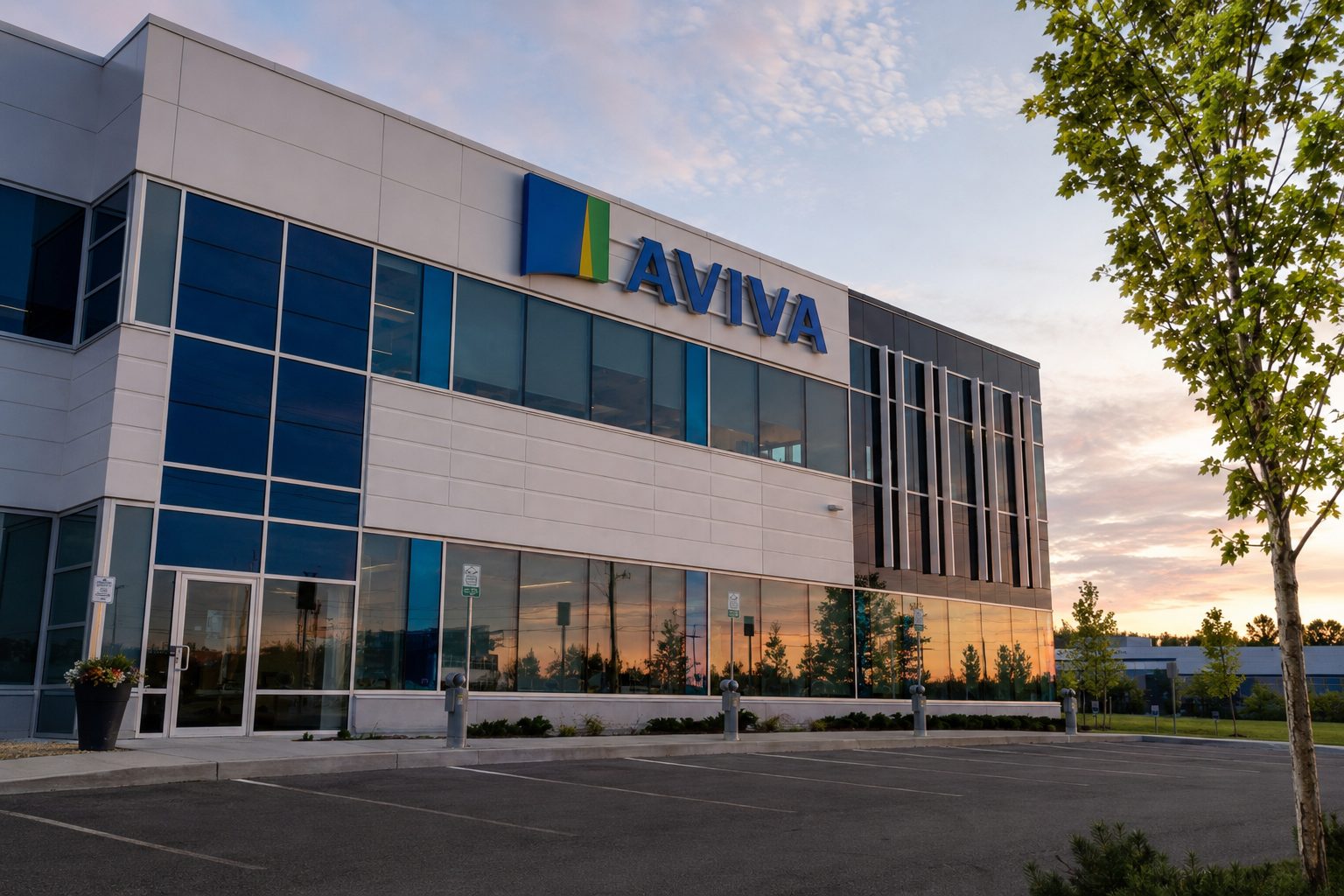
Aviva snapped up 900,000 of its ordinary shares for cancellation, pressing ahead with its £350 million buyback just ahead of its first-quarter trading update. According to a regulatory filing, the shares changed hands on May 12 at a volume-weighted average price of 620.38 pence.
Timing is in focus here. Aviva brought buybacks back after snapping up Direct Line, which had pushed the share count higher. Thursday’s update puts capital returns under the microscope, set against integration bills, claims expenses and a more unpredictable UK rates scene.
Aviva plans to publish its Q1 2026 trading update at 0700 BST on May 14, and a call with investors and analysts is set for 0900 BST. The firm’s website listed shares 0.61% lower at 616.40 pence in afternoon trading, though the price shown lags real-time by 15 minutes.
Citigroup Global Markets handled the most recent buyback. Aviva plans to cancel those shares, which puts the total number of ordinary shares in issue at 3.01 billion once that’s done.
Aviva kicked off the buyback after posting a £2.20 billion operating profit for 2025, marking a 25% increase, alongside a total dividend payout of 39.3 pence per share. The insurer’s Solvency II shareholder cover ratio slipped to 180%, down from 203%, largely due to the Direct Line acquisition, dividend payments, and the cancellation of preference shares.
Back in March, Chief Executive Amanda Blanc announced Aviva was “resuming the share buyback, now at a higher level of £350m,” after hitting its 2026 targets a year ahead of schedule. So, when Thursday arrives, investors won’t be expecting fresh catchphrases—they’ll want to see proof the company’s numbers are still beating the roadmap. Aviva
Direct Line is still the central strategic focus. Last year, UK regulators gave the green light to Aviva’s £3.7 billion acquisition, forming the country’s top home and motor insurer and putting another heavyweight listed group alongside Legal & General and Prudential.
Matt Britzman, senior equity analyst at Hargreaves Lansdown, noted following Aviva’s annual results that Direct Line has reinforced Aviva’s top spot in the UK motor and home insurance markets. Still, he flagged challenges ahead, saying, “2026 will be tougher,” and reminded investors that “buybacks are never guaranteed.” Hargreaves Lansdown
Aviva on Wednesday published fresh operating figures from its group income protection segment, highlighting a shift: in 2025, long-term illnesses like fibromyalgia, chronic fatigue syndrome, arthritis and Long Covid accounted for the second-largest share of rehab support—just after mental health. Out of 489 workers who received support, 76% made it back to their jobs. “Poorly understood and unpredictable,” is how Aviva’s protection portfolio distribution director Daren Boys described these conditions. Aviva
Rates remain in flux. On Polymarket, traders were giving 83% odds that the Bank of England would leave rates unchanged at its June 18 meeting. The BoE’s last rate call saw Bank Rate steady at 3.75%—an 8-1 split. Higher yields lift parts of the annuity business for insurers, letting them offer better terms to retirees, but swings in bond prices squeeze capital.
Execution is the real test here—not just the market’s current mood. Should Direct Line’s cost savings take longer to materialize, claims inflation creep back in, or UK rate volatility prompt a pullback on capital, the buyback could struggle to keep investors interested.
Thursday’s update puts Aviva’s ability to maintain momentum in premiums, wealth inflows, and cash generation under the microscope—all while the company keeps reducing its share count. That’s the equation investors are being asked to buy into.