
London, May 13, 2026, 17:01 BST
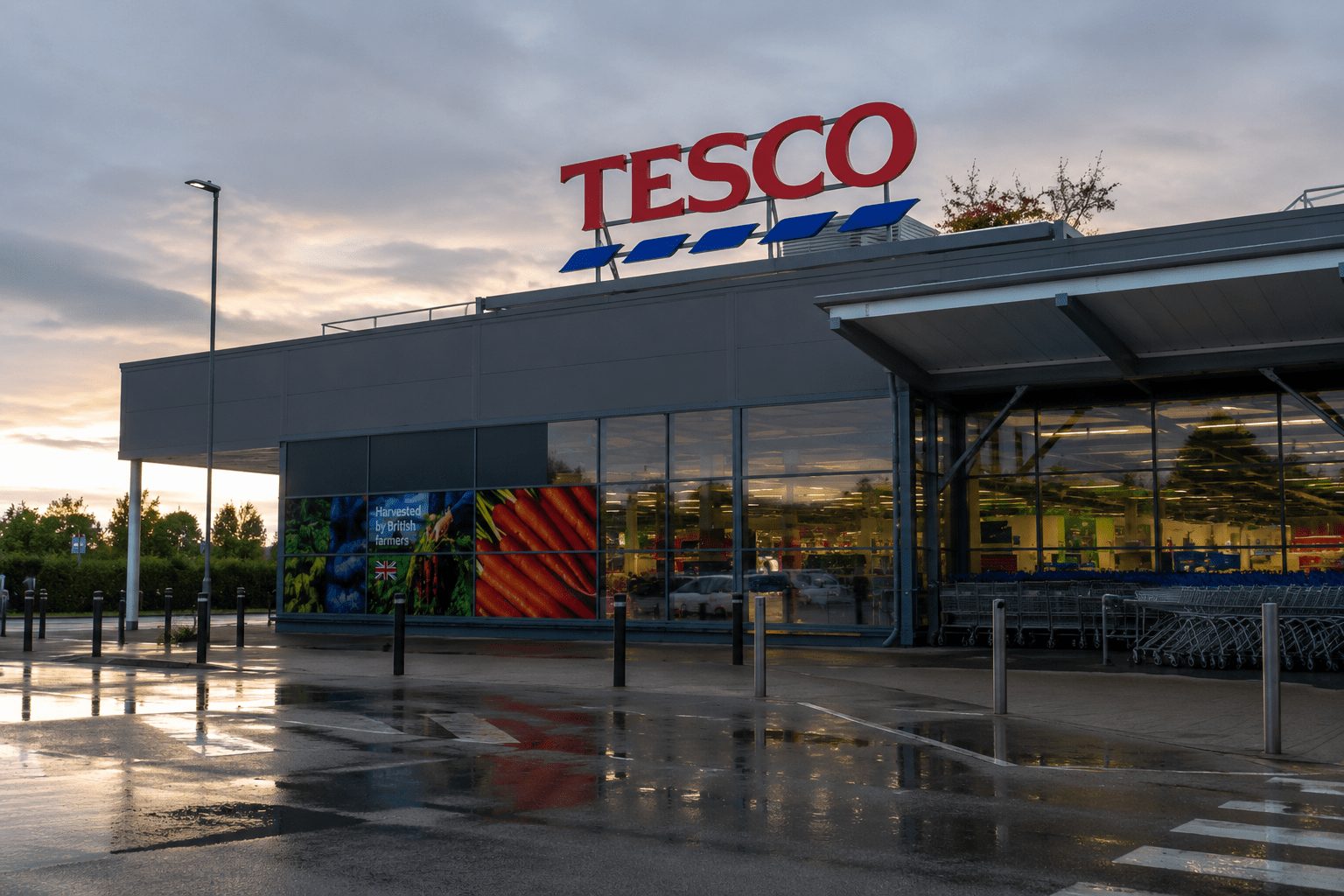
Tesco came away mostly empty-handed from its Court of Appeal challenge over tribunal methods for calculating job value in its ongoing equal-pay dispute, leaving a hefty legal shadow as the supermarket giant continues with its £750 million buyback. Tuesday’s ruling focused on whether Tesco’s own training materials could stand as crucial evidence for the demands placed on shop-floor versus distribution workers.
Timing is at play here. The case gets renewed attention now, as the ruling lets the tribunal sidestep a full redo of a critical phase that’s been in motion since 2018. The court, however, made clear that a final verdict on the claims remains “a long way off.” Here, equal value boils down to whether distinct roles place similar requirements on workers—an assessment that comes before the tribunal weighs if pay gaps are defensible.
The Court of Appeal mostly sided with previous decisions from the Employment Tribunal and Employment Appeal Tribunal, turning down Tesco’s push for a wider rehearing, according to ICLG. This decision doesn’t address whether Tesco underpaid its store staff; instead, it closes a procedural dispute about evidence and job comparisons.
Leigh Day, the law firm representing part of the group, puts the number of shop workers pursuing equal-pay claims against Tesco at over 60,000, with its own clients making up more than 17,000. The claim: mostly female store staff, they argue, received less pay than mostly male distribution center workers doing work of equal value—a charge Tesco rejects.
“These hearings go to the heart of why Tesco is paying its store workers less than their colleagues in distribution,” said Paula Lee, employment partner at Leigh Day, earlier this month. Tesco’s response? The company insists the two roles aren’t the same, citing different skills and demands, and maintains, “This has absolutely nothing to do with gender.” Leigh Day
The bill’s fate remains unclear. Back in 2018, Leigh Day put the potential hit to Tesco at up to £4 billion for the broader claim. Since then, some industry reports suggest Tesco has marked down its estimate, though nothing is certain. The actual cost—if a payout happens—will hinge on what the tribunal decides, plus any appeals.
The legal battle runs alongside Tesco’s ongoing capital-return plan. On Wednesday, the company disclosed it repurchased 435,284 ordinary shares on May 12, paying an average of 459.47 pence apiece; Citigroup Global Markets handled the deal, and Tesco plans to cancel the shares. Since kicking off the buyback April 22, Tesco has scooped up 5.87 million shares for a total outlay of £28 million, according to the filing.
The buyback comes on the heels of solid recent cash flow. Hargreaves Lansdown noted Tesco’s full-year retail sales climbed 4.3% to £66.6 billion. Underlying operating profit edged up 0.6% to roughly £3.2 billion, with free cash flow landing at £2.0 billion. Looking forward, the company projected underlying operating profit of £3.0 billion to £3.3 billion for the coming year.
Verushka Shetty, an equity analyst at Morningstar, noted Tesco delivered broad-based sales growth in its fiscal 2026 results and said the company sits “well positioned” to hit both its short- and long-term targets. Still, Shetty flagged that competition is likely to stay fierce in fiscal 2027. Morningstar
Competition remains front and center. UK grocery inflation dropped to 3.8% in the four weeks ending April 19, according to Worldpanel by Numerator data cited by Reuters. Tesco and Sainsbury’s picked up more market share. Lidl, meanwhile, held its spot as the fastest-growing traditional grocer, while Asda’s share kept slipping.
The legal backdrop stretches beyond Tesco. Morrisons is contending with its own equal-pay hearing, and Next, according to Reuters, lost a tribunal case in 2024 after it couldn’t prove paying sales consultants less than warehouse staff wasn’t sex discrimination.
What Tesco faces here is the possibility that a future tribunal decision transforms a procedural slip into a payout big enough to rival its buyback and dividend spending. That risk isn’t a given, though. Tesco maintains there are real differences between the jobs in question, and says later rulings could still trim the claims. Even if the company loses, another round of appeals could follow.
Right now, the market narrative is divided. Tesco is handing back cash to shareholders and holding its ground on market share thanks to its size, but the Court of Appeal’s decision pushes one of the UK retail sector’s biggest pay disputes ahead, instead of sending it back to square one.