
Perth, May 14, 2026, 07:07 AWST
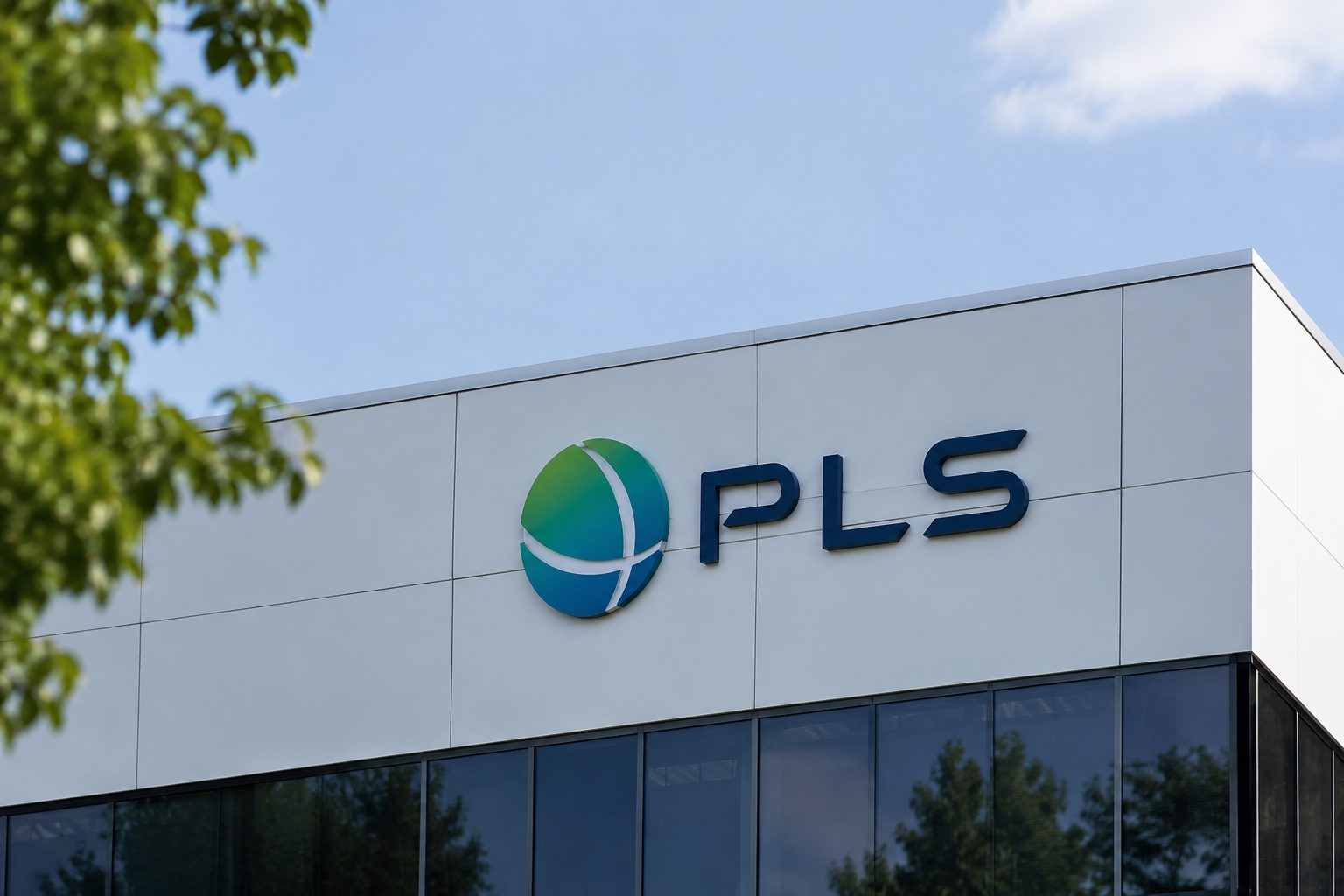
PLS Group Limited shares slipped Wednesday after notching a new 52-week high earlier in the session. Still, the stock hovers close to all-time levels, with investors factoring in a stronger lithium recovery and the firm’s Pilgangoora mine in Western Australia.
PLS finished at A$6.44 on May 13, slipping 0.92% for the day. Shares hit A$6.59 during the session—Google Finance calls that the 52-week high, with a market cap near A$20.74 billion.
The timing here is key: lithium’s jump has reached a scale that’s pulling the whole sector along. On May 12, MarketIndex reported Chinese lithium carbonate futures climbed 1.7% to 205,680 yuan per tonne—the highest level seen since August 2023. Liontown Resources shot up 6.3%, IGO added 5.0%, and PLS moved 4.1% higher during the same lithium-driven surge. Keep in mind, these lithium carbonate futures are contracts speculating on future prices, not actual deliveries.
Spot prices haven’t let up. According to Trading Economics, lithium climbed to 200,500 yuan per tonne on May 13—marking a 24.15% jump in just a month and a staggering 209.89% year-on-year. This surge has shifted the narrative on PLS; after months when investors zeroed in on output and costs, the stock is now acting like a recovery play.
PLS—previously Pilbara Minerals—claims full ownership of the world’s biggest independent hard-rock lithium mine. This type of lithium comes from mined ore, which gets turned into spodumene concentrate, the lithium-heavy material that feeds into battery chemical production.
In April, the company put numbers on the table. PLS reported that its March quarter notched record output, trimmed unit costs, and locked in better prices. Revenue hit A$567 million, which is 57% higher than the previous quarter. Managing Director and CEO Dale Henderson pointed to “electrification and energy storage” as factors that are pushing batteries to the forefront, saying energy security has become a key motivator. PLS
The balance sheet’s another important angle. PLS wrapped up a US$600 million placement of 6.875% senior unsecured notes maturing 2031—these aren’t tied to particular assets—and funneled some of that cash to pay down A$375 million on its revolver, shrinking the credit line to A$500 million from A$1 billion. Henderson said the move pushes out debt maturities and supports liquidity.
With funding in place, growth projects are next up. Back in February, PLS signed off on restarting the Ngungaju plant at Pilgangoora—annual capacity around 200,000 tonnes—aiming for production to kick off again in July 2026. As for studies, the P2000 feasibility, which could see Pilgangoora boosted to roughly 2 million tonnes per year, is expected in the December quarter of 2026. Over in Brazil, results from the Colina study are slated for release a year after that.
PLS wants the story to be about scale, not simply price. Back in May’s conference deck, the company put itself among the world’s top three primary lithium producers, referencing data from Benchmark Mineral Intelligence. As of March 31, it reported A$1.455 billion in cash and roughly A$2.1 billion in liquidity.
Processing is coming into focus too. On April 24, PLS announced it had begun commissioning at its Mid-Stream Demonstration Plant, following up to A$38.1 million in backing from the Australian Renewable Energy Agency and an offtake deal with Ningbo Ronbay New Energy Technology. The idea with mid-stream processing: convert mined output into an intermediate product, a step ahead of producing final battery chemicals.
The risks here are obvious. When lithium prices rise, sidelined supply quickly finds its way back to market; if prices slip, justifying new expansions gets tougher. According to PLS, any future production hinges on study results, investment approvals, and, crucially, market dynamics. As for Colina, its schedule is tied to positive study results, available funding, and lithium prices holding up at higher levels.
The bigger challenge for PLS isn’t today’s stock price—it’s proving they can execute. With the commodity tailwind on their side for now, the company faces choices: ramping capacity back up, holding the line on costs, and figuring out how aggressively to chase growth before the lithium cycle inevitably shifts.