
London, May 15, 2026, 15:13 BST
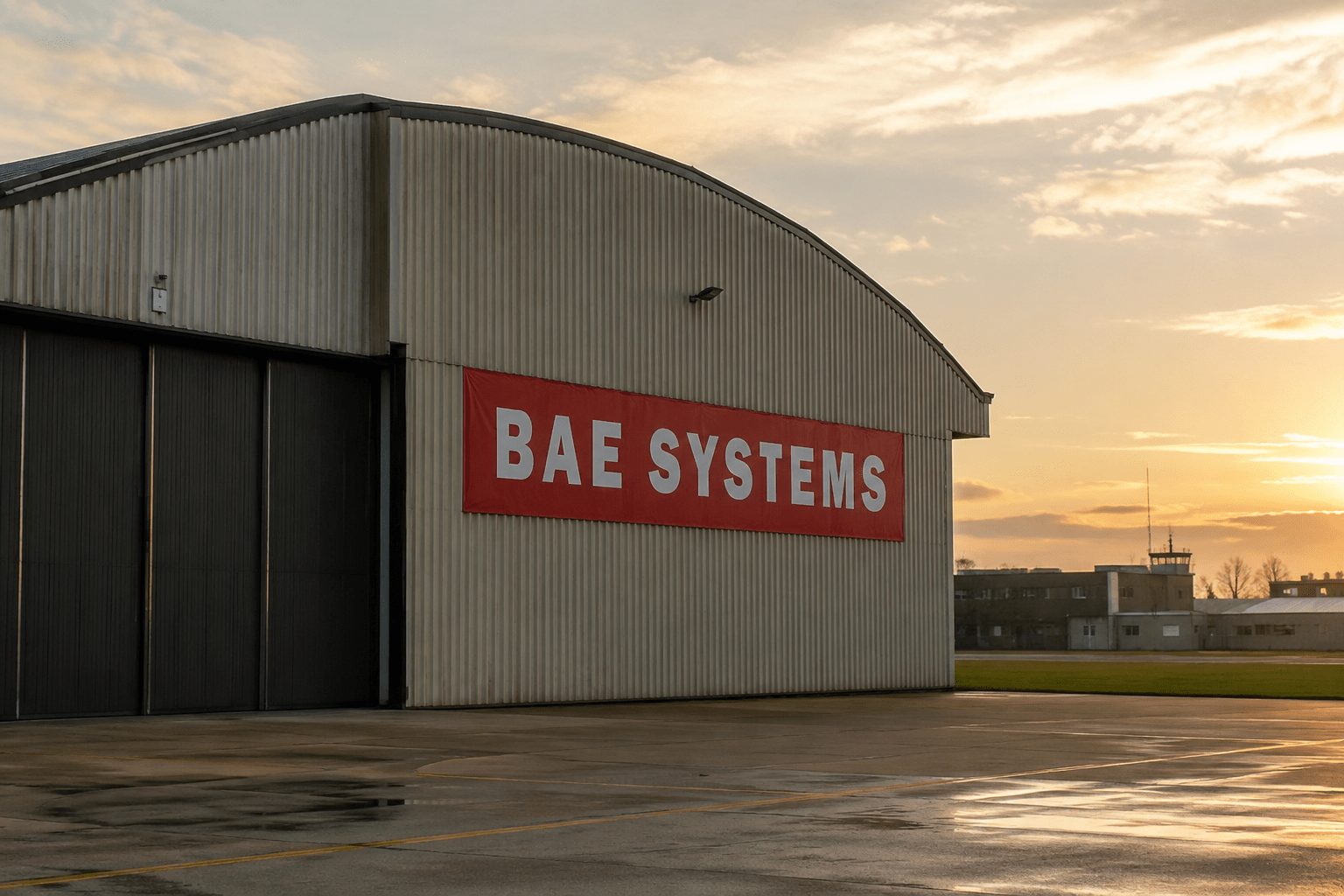
BAE Systems and three competitors have landed contracts from the UK Ministry of Defence to work up concepts for autonomous drones meant to accompany British Army Apache attack helicopters. The £10 million award leaves the defence firm in contention for a wider programme targeting operational use by 2030.
Britain’s forces are in line for a bigger dose of autonomy. The ministry claims Project NYX aligns with the strategic defence review’s focus on autonomous tech. BAE, in an update to investors just last week, flagged drones and anti-drone technology as key spots for future business.
Last week, BAE Chief Executive Charles Woodburn called it “a strong start to 2026” and said the company remains “well positioned” for defence opportunities, sticking with full-year guidance. The NYX award isn’t big on cash, but it’s a marker for the direction of UK procurement.
Anduril Industries UK, Tekever, and Thales UK also made the cut. The ministry highlighted that these firms put forward various uncrewed air systems, packing autonomous features, sensors, and payloads suited to reconnaissance, target acquisition, electronic warfare, and precision strike missions.
Uncrewed air systems operate with no pilots inside. Electronic warfare covers the use of signals, jamming, or sensors to spot, interfere with, or mislead enemy tech. According to the ministry, Apache pilots will get data sent from these drones, but won’t fly them themselves. Human operators will continue to make all final calls on weapon deployment.
This time, the lineup is slimmer—back in January, seven firms were in the running, including Leonardo MW, Lockheed Martin UK, and Syos Aerospace UK, all of which had received invitations to submit designs. So, Friday’s move is a downselect, not the last word on production.
Defence Minister Luke Pollard described the project as “British ingenuity at its best.” The drones, he said, are intended to operate in tandem with Apache helicopters, boosting soldiers’ edge during combat. Gov
BAE still holds the top spot among UK defence contractors, building Typhoon jets, nuclear subs, and warships at home, and sending the U.S. everything from satellites to combat vehicles and munitions. Last week, Reuters noted BAE’s order book has nearly doubled since Russia’s 2022 invasion of Ukraine.
That £10 million NYX funding isn’t much when set against BAE’s heft. In its May 7 trading update, the group stuck to its 2026 outlook: sales growth of 7% to 9%, with underlying EBIT and earnings per share each expected to climb 9% to 11%. Free cash flow? The company is still guiding for north of £1.3 billion.
Big, traditional programs continue to dominate the latest awards. BAE pointed to around £2.5 billion linked to Türkiye’s Eurofighter Typhoon jets, plus approximately £1.1 billion in air-defense deals for MBDA with European buyers. Space, artillery and naval contracts also padded its year-to-date intake.
Still, there’s no guarantee for BAE. The ministry will review all four submissions in the next few months, then choose as many as two firms for prototype contracts by autumn. Only if those trials deliver will an operational version be ready for 2030.