
SYDNEY, May 16, 2026, 02:04 AEST
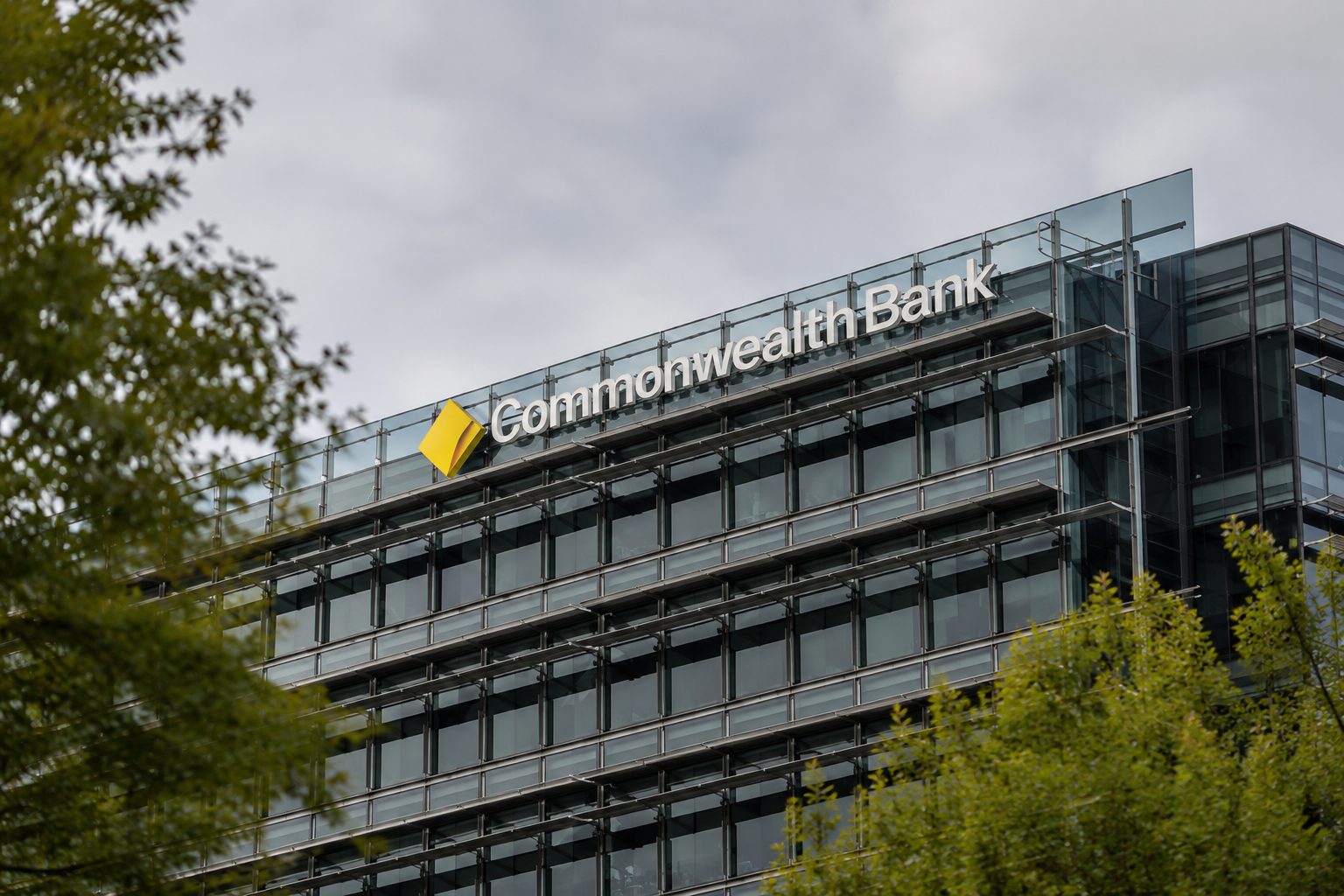
Commonwealth Bank of Australia’s stock bounced Friday, finishing at A$159.40—a 1.91% gain for the session. Still, the move hardly touched the doubts swirling after this week’s record selloff for the lender. CBA shares had plunged earlier, but Friday’s recovery left those concerns largely intact.
This isn’t your average bank stock—CBA holds the title as Australia’s biggest lender, carries serious weight in the index, and has long traded as one of the market’s priciest banks. That kind of profile means there’s almost no cushion for disappointing earnings or a dimmer view on credit.
Wednesday’s sharp move saw CBA tumble 10.43%, wiping close to A$30 billion from its market cap after it raised provisions and the market absorbed new federal budget tweaks to housing tax policy. Shares in Westpac, National Australia Bank, and ANZ dropped as well—though their declines were milder—as doubts grew over the outlook for mortgage credit growth.
The Reserve Bank of Australia piled on more pressure in May, lifting the cash rate 25 basis points to 4.35%. Officials warned inflation would probably remain stuck above the 2%–3% target for a while. With fuel getting pricier and borrowing costs up, the RBA expects both households and businesses to rein in spending.
Prediction markets aren’t betting on a cut—just a hold, with little relief in sight. On Polymarket, odds for a no-move at the June RBA meeting hovered at 83%, and rate hike chances came in at 18%. The August contract painted a murkier picture: 57% saw no change, but 44% priced in a quarter-point bump, a split that leaves banks with mortgage and consumer credit exposure watching the risk meter. Polymarket
Investors had plenty to digest from CBA’s March-quarter update. The bank posted an unaudited cash net profit after tax of roughly A$2.7 billion. That’s a 1% dip compared to its first-half quarterly average, but still a 4% increase on the prior year. Operating income didn’t budge, though net interest income ticked up 1%.
Credit stuck out as a rough patch. CBA bumped up the forward-looking portion of its collective provisions by A$200 million, tweaking its macro forecasts and assigning extra weight to the downside this time. Loan impairment expense climbed to A$316 million.
Chief Executive Matt Comyn cited “conflict in the Middle East” as a source of supply chain disruptions and global uncertainty in the update. The bank reported its common equity tier 1 ratio—a key capital buffer—at 11.6%, comfortably above the 10.25% minimum set by the Australian Prudential Regulation Authority.
Housing still stands out as a problem. Labor’s budget would tighten negative gearing, restricting the deduction to newly built properties, and replace the 50% capital gains tax discount with a system pegged to inflation—plus a floor: at least 30% tax on net capital gains. Morgan Stanley analysts, cited by Reuters, now see Australian mortgage growth slowing to 5.5% from 7.5% by 2027. Investor loans, they add, could slip to 7%, down from 10%.
Even with the selloff, the business story remains. CBA reported A$45 billion in new home loan funding for the quarter. Household deposits climbed by A$38 billion over the year to March. Business lending? Still outpacing the system. Those figures go a long way toward justifying the premium investors have been willing to pay—though defending that premium is getting tougher.
The risk goes both directions. Should energy prices ease and tensions in the Middle East recede, certain credit buffers might end up looking overly cautious. On the other hand, if the conflict persists, the impact of persistently higher rates and softer consumer spending could start surfacing in missed payments, business defaults, and fresh provisions.
Matthew Wilson, head of financial research at Jarden, told Reuters the key impact on Australia’s domestic economy will show up in industrial and cyclical stocks over the coming six months. “It’s all ahead of us,” he said. Reuters
CBA economists aren’t expecting the central bank to move on rates just yet. Belinda Allen, who heads Australian economics at CBA, pointed out that policymakers have space to watch how the Middle East conflict plays out. Still, she cautioned, “A further rate hike cannot be ruled out, depending on the data.” CommBank
August brings the next major test, with CBA set to unveil its full-year results and final dividend. In the meantime, don’t expect the share price to hinge on just one profit figure. The real question is whether investors see this week’s drop as a new baseline—or simply the first crack in an overbought position.