
Melbourne, May 16, 2026, 06:05 AEST
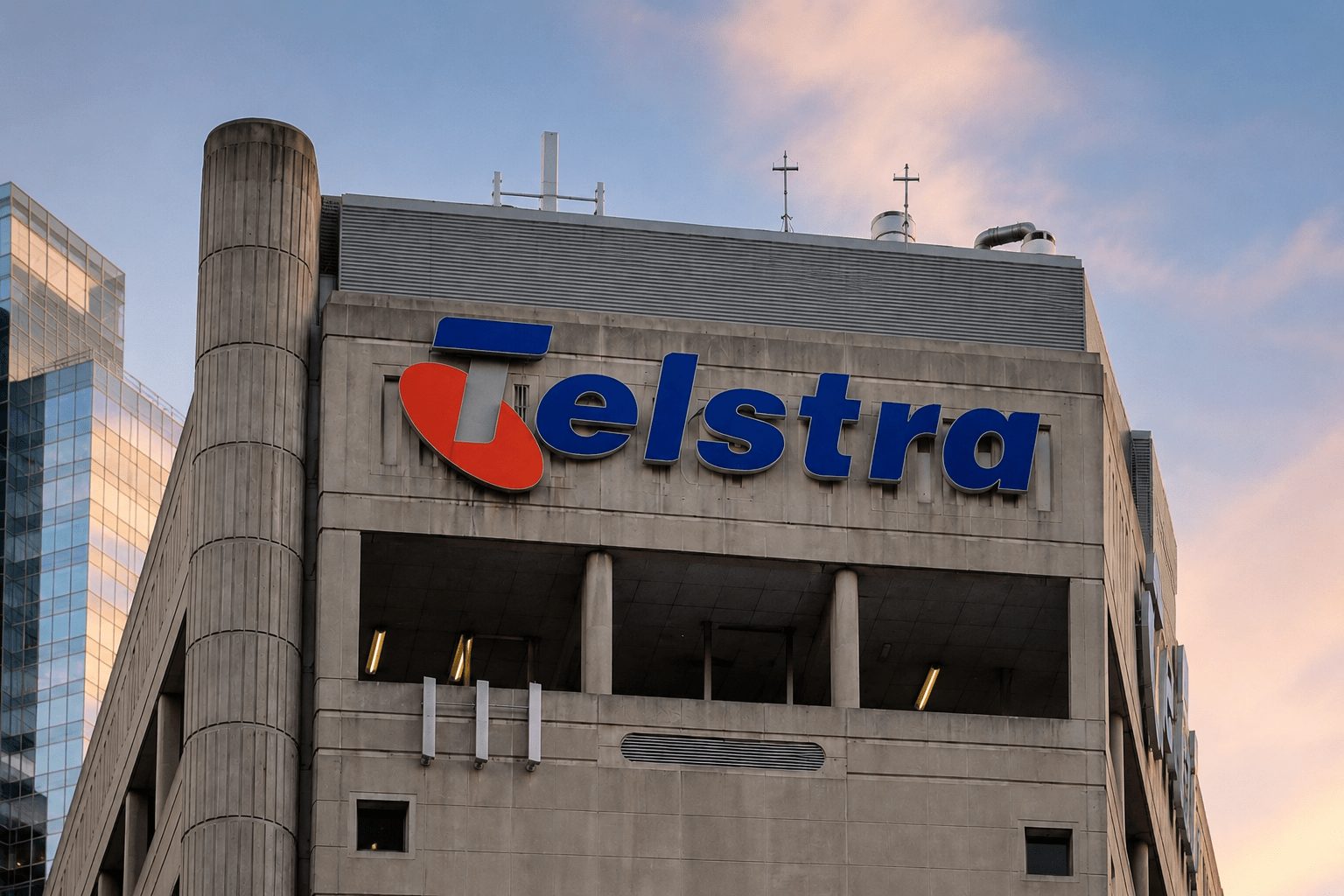
Telstra Group Limited has now burned through roughly 89% of its A$1.25 billion on-market share buy-back, scooping up another 1,095,583 shares on May 15 for A$5.88 million, according to a daily filing. The company’s on-market buy-back lets it purchase its own stock via the exchange, typically to return capital and lift per-share figures.
This figure takes on added weight with the program wrapping up June 30—Telstra is sitting on roughly A$134 million of available buyback firepower. According to the filing, the company has bought back 220.5 million shares so far, spending A$1.116 billion. That’s about 1.9% of the 11.39 billion shares outstanding in the targeted class.
Telstra ended Friday at A$5.38, marking a 1.13% gain after reaching the session’s peak. About 15.87 million shares traded hands. The stock has hovered between A$4.51 and A$5.455 over the past year, now sitting near the upper boundary.
Telstra’s May 15 update didn’t unveil any fresh strategy. Instead, it identified Barrenjoey Markets as the broker handling the buy-back. On Friday, shares changed hands between A$5.34 and A$5.38. Telstra reiterated it would proceed with buy-backs only when it deemed conditions right for capital management.
It’s about shareholder returns, sure, but just as much about what customers are paying. Right after Telstra put through a round of price hikes starting May 5—A$4 more a month on most postpaid mobile plans, about A$5 for most prepaid—the company said higher bills would back upgrades to its network, reliability, and security. Cash returns are under scrutiny.
Back in February, the company lifted its buy-back to A$1.25 billion, up from the previous A$1 billion after putting away A$637 million during the first half. Chief Executive Vicki Brady told investors the on-market buy-back should help boost both earnings and dividend per share. She pointed to ongoing confidence in Telstra’s balance sheet and prospects.
Profit attributable to equity holders climbed 9.4% to A$1.124 billion for the half, according to the report. The board declared an interim dividend of 10.5 cents per share. Telstra now puts its fiscal 2026 underlying EBITDAaL — operating earnings after lease amortisation — in a narrower band, guiding for A$8.2 billion to A$8.4 billion.
Mobile is still the wild card here. Back in February, Telstra reported a 5.6% jump in mobile services revenue for the half, with mobile EBITDA up A$93 million. That was driven by higher average revenue per user and a bigger customer base picking its network.
Competition remains fierce. Just last month, Guardian analysis pointed out that Telstra’s new pricing paved the way for rivals like Optus and Vodafone, part of TPG, to follow suit. Consumer advocates flagged that these hikes might prompt more people to hunt for less expensive plans.
Telstra has long been viewed as a defensive play on the ASX, thanks to its steady dividend and strong mobile customer numbers. “Outside of AI and tech upgrades, Telstra remains one of the most defensive names on the ASX,” said Zavier Wong, market analyst at eToro, following the company’s February results, according to Reuters. Reuters
But there’s no guarantee here. Telstra made it clear the buy-back can be halted or scrapped whenever it chooses, and those May price hikes will have to stick — without sparking a wave of customer defections to rival carriers. Households are watching their bills, and cheaper deals elsewhere could test loyalty.
The next batch of concrete data probably arrives with daily buy-back filings, and eventually, some clarity on whether those mobile price hikes held up. Should the buy-back pace stay close to where it’s been, that A$1.25 billion cap could get eaten up in a hurry. One thing investors won’t see straight away: just what it’s costing on the customer side to hit those numbers.