
London, May 16, 2026, 16:12 BST
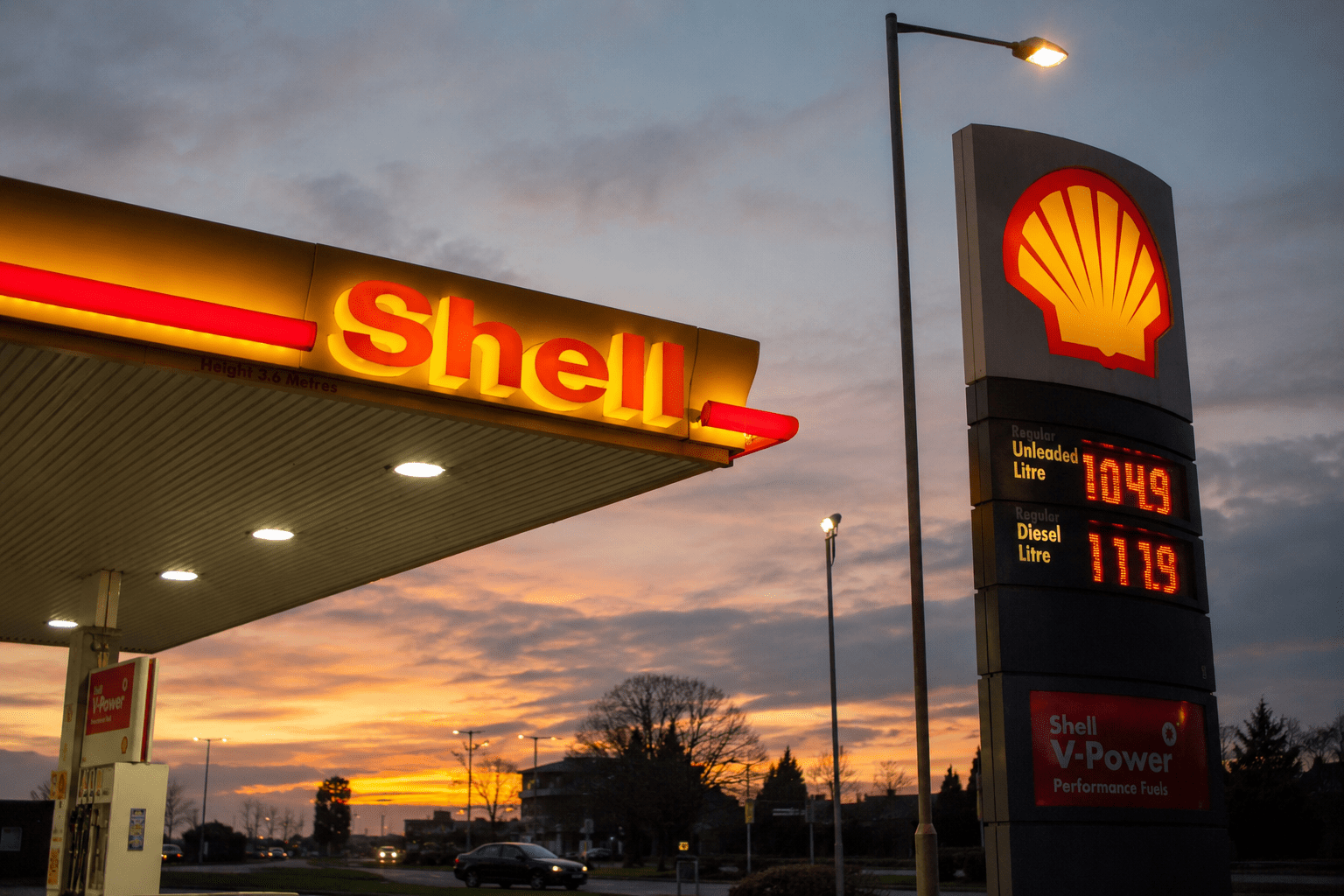
Shell Plc heads into the new week with momentum after its London shares rose on Friday even as the wider UK market sold off. The stock closed at 3,194.5 pence, up 1.46%, while the FTSE 100 ended 1.71% lower at 10,195.37.
With London cash equities shut for the weekend, this is less about one closing print than the setup for Monday’s open. The London Stock Exchange’s regular hours are Monday to Friday, 8:00 a.m. to 4:30 p.m. London time, and its next listed full holiday is May 25, leaving the next session as a normal trading day.
The stock has found support from three things: oil prices stayed high, Shell is buying back shares, and investors are still weighing the company’s trading and liquefied natural gas cash story. The counterweight is also clear. Volatile energy markets lift revenue in one place and strain cash, debt and operations in another.
Brent crude, the international benchmark, settled at $109.26 a barrel on Friday and rose about 7.9% for the week as supply worries tied to the Strait of Hormuz kept the energy trade bid. That matters for Shell because higher crude usually supports earnings expectations, although trading desks and refining margins can matter just as much in a jumpy market.
The freshest company-specific flow was Shell’s buyback. A buyback is when a company purchases its own shares, often to cancel them and reduce the share count. Shell said on Friday it had bought 1,297,296 shares on May 14 across the LSE, Chi-X and BATS venues; those purchases form part of the $3 billion programme announced with results.
The buyback follows a noisy first-quarter print. Shell reported adjusted earnings — a profit measure that strips out identified items — of $6.9 billion, above analyst expectations, raised its dividend by 5%, and trimmed quarterly buybacks to $3 billion from $3.5 billion to preserve balance-sheet flexibility. Chief Financial Officer Sinead Gorman said the dividend rise reflected Shell’s “confidence … in the long-term cash flows”; Citi analyst Alastair Syme said the payout cut should have come earlier, Reuters reported. Reuters
Chief Executive Wael Sawan put the quarter in crisis-market terms, saying Shell delivered strong results in a period of “unprecedented disruption in global energy markets.” He also pointed to “rebalancing” shareholder distributions and to the ARC Resources acquisition, which Shell says should add 370,000 barrels of oil equivalent a day and lift production growth to 4% through 2030. Shell
The peer picture is not a sideshow. The same volatility has helped European majors with large trading desks, with the FT reporting that Shell, BP and TotalEnergies drew a sizeable earnings boost from energy-market swings in the first quarter. That gives Shell support relative to more production-heavy oil groups, but it also makes the profit stream harder to model.
Portfolio news added another strand. Reuters reported Tuesday that Shell intends to sell about 60 French motorway petrol stations, citing Les Echos documents shared with employees and suppliers; the business posted operating profit of 108.5 million euros in 2025, and Shell declined comment.
The risk is that the market starts to trade the weak side of the story, not the cash-return side. Shell’s own filings show cash flow from operating activities fell to $6.1 billion in Q1 after an $11.2 billion working-capital outflow, while gearing, its debt-to-equity measure, rose to 23.2% from 20.7%; Shell also expects integrated gas production to fall in Q2 because of the Middle East conflict, including Qatar.
For Monday, the forecast is flat-to-firmer if Brent stays near $100-plus and the buyback flow remains visible. Friday’s London range was 3,149p to 3,194.5p; a move through 3,200p would put the rebound back on traders’ screens, but a broad UK selloff or a sharp oil pullback would point first to the low-3,100p area rather than a clean breakout.