
London, May 16, 2026, 18:06 BST
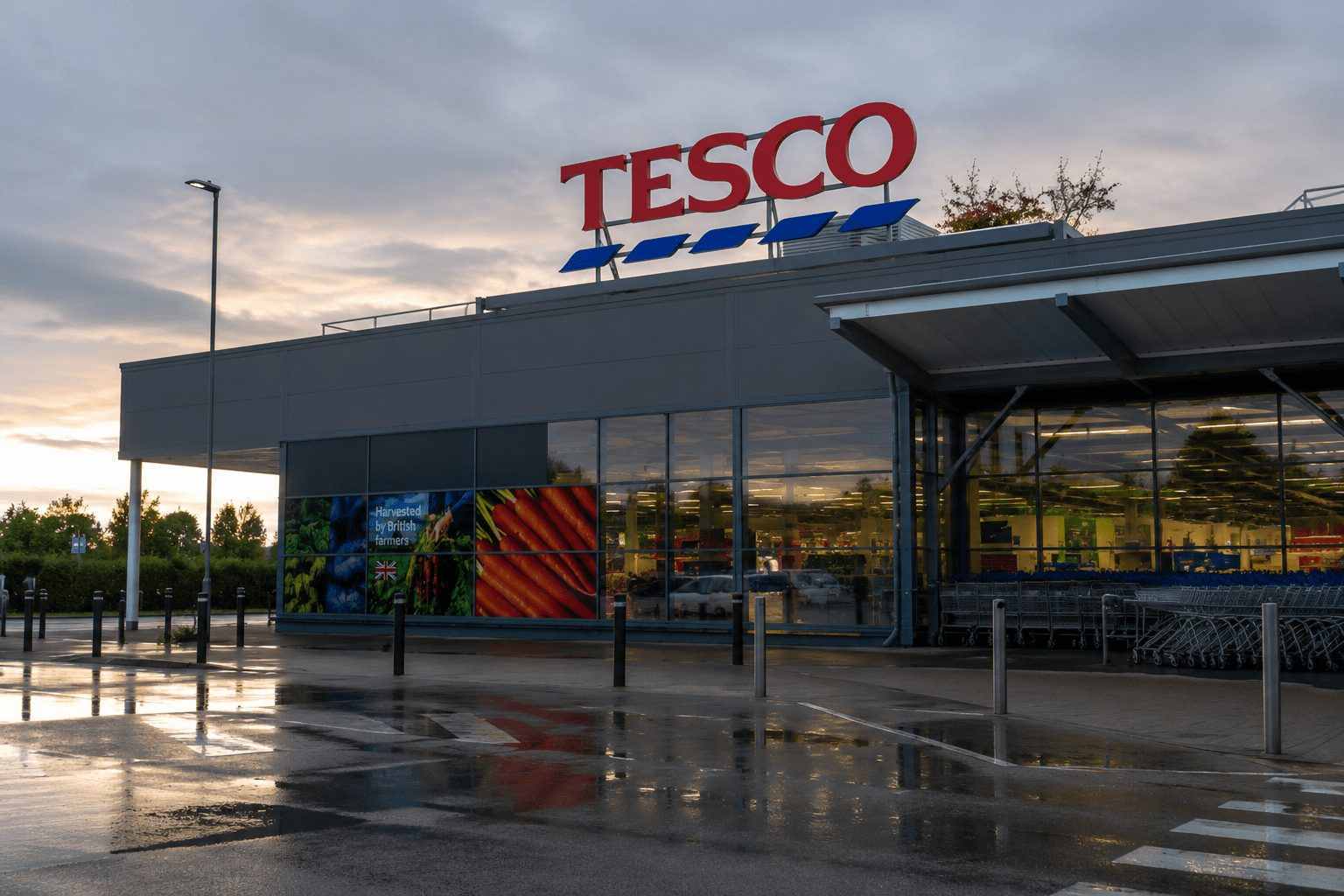
Tesco PLC shares start Monday still feeling last week’s pain. The stock finished Friday at 448.80 pence, off 0.42% for the day and down about 3.9% from the prior week’s close. That slide came as Britain’s top supermarket increased its share buyback, buying its own shares to return cash and cut the share count.
Tesco pushed out its annual report, CEO pay package and a new buyback figure as markets grappled with higher oil prices, worries over UK politics and dropping bond prices. The FTSE 100 slid 1.7% Friday for its sharpest loss in more than eight weeks, Reuters said.
Saturday trading isn’t an option. The London Stock Exchange shut its doors on May 16 and only runs Monday through Friday from 8:00 a.m. to 4:30 p.m. London time. Tesco shares won’t face fresh action until cash equities get moving again on Monday.
Tesco said in a filing it bought 4,973,799 ordinary shares on May 14, paying an average 455.58 pence apiece. The company will cancel all these shares. Tesco has repurchased 11,277,307 shares since April 22 for £52.6 million, leaving 6.37 billion shares outstanding under the current buyback.
Stock buybacks tend to operate in the background for shareholders. Reducing the share count can help numbers like earnings per share as long as profits hold up. Some see buybacks as a form of support during soft markets, but last week’s trading showed that broad selling can still drown out these moves.
Tesco said on May 14 it’s published its 2026 annual report and sent out the AGM notice to shareholders. The meeting is set for June 18 at 11:00 a.m. using the Lumi Global platform, broadcast out of Welwyn Garden City.
Tesco’s annual report put the spotlight on CEO pay. The Guardian said Ken Murphy, CEO, made £10.8 million as Tesco grabbed its biggest UK grocery market share in ten years. The report listed Tesco’s share at 28.1%, up from 26.5% in 2020, as Asda and Morrisons fell back.
Sainsbury’s is feeling the squeeze, too. Reuters reported the UK grocer echoed Tesco’s warning about Iran-linked war uncertainty hurting shoppers and profit. That means the market still trades UK grocers, including Tesco, as part of the inflation story, not just as defensive retail.
London stocks fell early as the wider mood turned cautious. Neil Wilson, investor strategist at Saxo UK, told Reuters markets “won’t like” a possible move left in UK politics, with worries about borrowing and gilt yields weighing on sentiment. The pressure hit shares before any company news crossed the wires. Reuters
Tesco’s buyback faces a risk if consumer spending drops further or costs climb. Brent crude gained on Friday with traders eyeing the U.S.-Iran situation. Michael Hewson at iForex told Reuters, “pretty much the biggest problem facing Europe” is energy prices. Retailers could feel the squeeze from higher energy and logistics costs if they cannot push those costs to shoppers without losing sales. Reuters
Tesco investors are set to focus next week on the company’s daily buyback notices to see if the capital-return theme stays visible. Shares slid all week and the market will be watching if the stock steadies. The June AGM offers shareholders a place to question the board soon on pay, food waste goals, and how management is handling price cuts versus profit.
Tesco has scale, market share and keeps paying out cash. But shares slipped last week as politics, oil and UK rates all went against the market, showing even a defensive name like Tesco can fall when things stack up.