
New Delhi, May 17, 2026, 13:09 IST
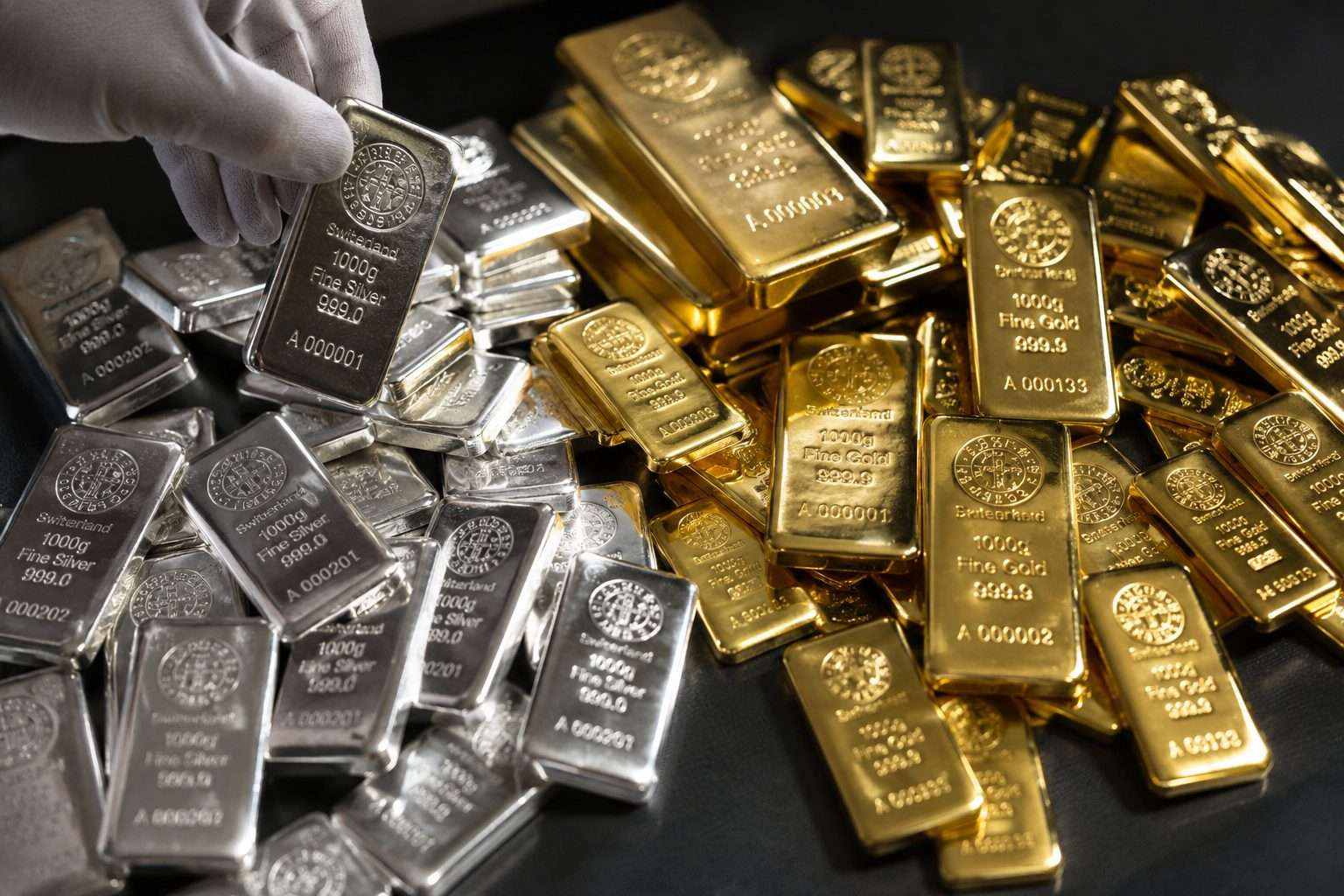
India has moved to restrict imports of silver, putting certain silver-bar and semi-manufactured categories on its restricted list effective immediately. This adds to steps the government took earlier this week, when it raised duties on both gold and silver, as domestic silver prices showed sharp swings. Importers will now need tighter approvals for those categories, according to a government order.
State oil firms hiked petrol and diesel prices by about 3 rupees per litre on Friday, the first increase in four years, just as fuel prices are rising and India faces higher import costs and foreign-exchange pressure. Bullion duties also rose to curb metal imports.
India moved to restrict imports of silver bars with 99.9% purity and other semi-manufactured silver, Reuters said, citing a government order. The affected categories accounted for over 90% of the country’s silver imports last fiscal year. India sources more than 80% of its silver from international suppliers, mainly in the UAE, Britain and China.
India’s silver imports jumped to $12 billion for the year ended March, trade ministry data showed, up from $4.8 billion the previous year. Imports in April came in at $411 million, up 157% from a year ago. Silver demand goes beyond jewellery, coins and bars, with uses in solar and electronics as well, so the import curbs affect more than just bullion sellers.
India hiked its tariff on gold and silver imports to 15% from 6%, adding a 10% basic customs duty and a 5% Agriculture Infrastructure and Development Cess, which goes to farm-infrastructure funding. This import change came after the duty move.
The government has set a 100 kilogram limit on duty-free gold imports per jewellery exporter licence, tying new permits to past exports. Applicants for licences for the first time will need manufacturing sites inspected physically. Existing licence holders must submit a certified import-export report every two weeks, checked by an independent accountant.
Silver slumped 21,600 rupees to 275,000 rupees per kilogram in Delhi’s bullion market on Friday, and gold slipped 3,200 rupees to 162,800 rupees per 10 grams, according to All India Sarafa Association figures cited by PTI. Prices haven’t tracked a single direction lately.
Retail silver prices Sunday stood at 280,000 rupees a kilo in Delhi, Mumbai, Kolkata, Patna, Lucknow and Jaipur, according to Times Now Navbharat. In Chennai, Hyderabad, Kerala and Bhubaneswar, the price was 290,000 rupees. The same report pointed to Friday’s sharp drop, blaming a stronger dollar and profit-taking for the move.
Gold and other precious metals dropped sharply Friday, with Saumil Gandhi at HDFC Securities pointing to inflation worries and supply issues driving investors to the dollar and Treasurys. Jateen Trivedi at LKP Securities said gold also took a hit from higher crude and a firmer dollar index.
Chirag Thakkar, chief executive at Amrapali Group Gujarat, said the silver import curb would cut imports and make local supply tighter. He told Reuters silver traded at a discount after the duty hike but might move to a premium in the coming weeks.
Fuel also remains a worry. Economists speaking to the Economic Times said higher petrol and diesel prices could push retail inflation up by 15 to 20 basis points over the next few months. One basis point equals one-hundredth of a percentage point. Radhika Rao at DBS Bank said that a 3% to 5% rise in fuel may mean headline inflation goes up by 15 to 25 basis points.
Nomura’s Sonal Varma and Aurodeep Nandi see more policy moves in the pipeline, according to Fortune India. They cite the likely introduction of stricter overseas-remittance rules, new disincentives on non-essential imports, diaspora bonds to boost foreign-currency deposits, and higher prices on petrol and diesel. Nomura puts India’s total imports of gold, silver, platinum, diamonds and pearls at $105 billion, or 2.7% of GDP, in FY26, up from $81 billion in FY25.
But tighter import limits bring their own risks. Surendra Mehta, national secretary at the India Bullion and Jewellers Association, said the hike in duty was expected but could hurt demand as gold and silver prices remain high. Another bullion dealer said steeper taxes could mean a pick-up in grey-market trading. Jewellery exporters also said new gold-import compliance rules could hold back shipments.