
Mumbai, May 17, 2026, 13:09 IST
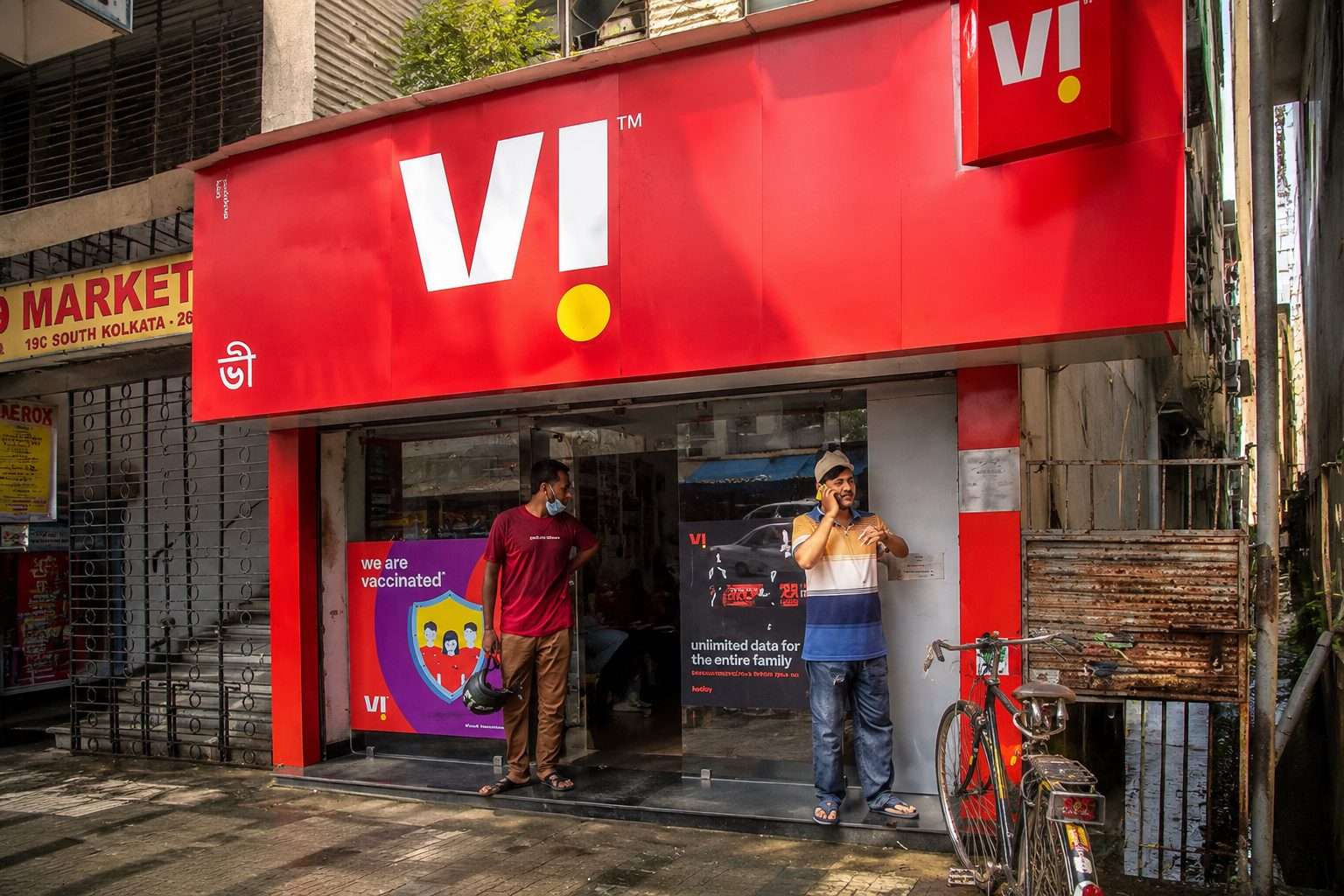
Vodafone Idea reported a March-quarter profit of ₹51,970 crore, thanks mostly to a one-off accounting gain. The company also signed off on a ₹4,730 crore warrant issue to an Aditya Birla Group unit. The moves gave the struggling telecom operator an unusual profit headline.
Timing is a factor here. Announcements landed Saturday, with Vi shares last at ₹12.95, slipping 0.16% on Friday. That puts Monday’s session as the first shot at seeing if investors see the numbers as a sign of a turnaround or just balance-sheet cleanup.
Vi is still the third-biggest phone company in India and continues to put money into better 4G and 5G, working to stay with Reliance Jio and Bharti Airtel. Fresh promoter funds matter here, even if they come in tranches.
Still, the profit number needs a close look. The jump followed the telecom department’s review of Vodafone Idea’s adjusted gross revenue (AGR) dues, which are set by the government’s revenue formula. Authorities set the dues at ₹64,046 crore for FY2006-07 through FY2018-19. Vodafone Idea then derecognised a ₹80,502 crore liability, booked a revised ₹24,880 crore, and put a ₹55,622 crore gain into its profit and loss.
Operating numbers got better, but growth wasn’t dramatic. Revenue from operations reached ₹11,332 crore for the quarter. EBITDA came in at ₹4,889 crore, up 4.9%. Average revenue per user went to ₹190 from ₹175 last year.
Chief Executive Abhijit Kishore said the benefits from capex spending and network expansion “are now clearly visible.” He also said net subscriber numbers started rising in February. “Our focus is on execution,” Kishore said.
Vodafone Idea will raise funds by issuing up to 430 crore warrants at ₹11 each to Suryaja Investments Pte Ltd., Singapore, which is part of the Aditya Birla Group. Holders pay 25% when subscribing and the rest when converting the warrants to shares. Shareholders are set to vote on the proposal at an extraordinary general meeting on June 11.
If Suryaja converts all the warrants, it will end up with as much as 3.82% of Vodafone Idea. The warrants are good for 18 months, the company said, and any that aren’t exercised will lapse and Suryaja loses the upfront payment.
Vodafone Idea’s FY26 revenue rose 3% to ₹44,873 crore, while EBITDA was ₹19,003 crore, up 4.8%. The company put ₹8,742 crore into capex. It rolled out 5G in 83 cities and widened its 4G reach by around 48 million people. Vodafone Idea closed the year with over 202,000 broadband towers.
But the balance sheet remains tough. The results note showed a pre-exceptional loss before tax of ₹24,059 crore for FY26 and a negative net worth of ₹35,758 crore. Deferred payment obligations included ₹1.27 lakh crore in spectrum dues and ₹25,254 crore in AGR dues. The company said it is talking to banks to raise more money.
Investors now face a tighter question than the headline profit number implies. If Vi’s warrant issue gets the nod, with funding from banks and subscriber growth sticking, the company will have more to put into its network. But if any of those go off track, the accounting boost won’t be enough for Vi to catch up with larger competitors.