
Tokyo, May 18, 2026, 07:01 JST
- Japanese investors cut their holdings of U.S. sovereign-linked debt in the first quarter, logging the biggest sales since 2022.
- Rising Japanese government bond yields are drawing more attention from local funds, making domestic debt less easy to overlook.
- Washington’s risk isn’t a major selloff. The bigger worry is softer demand from its top foreign creditor.
Japan’s jump in domestic bond yields has traders asking if the largest foreign owner of U.S. government debt is beginning to shift cash back home.
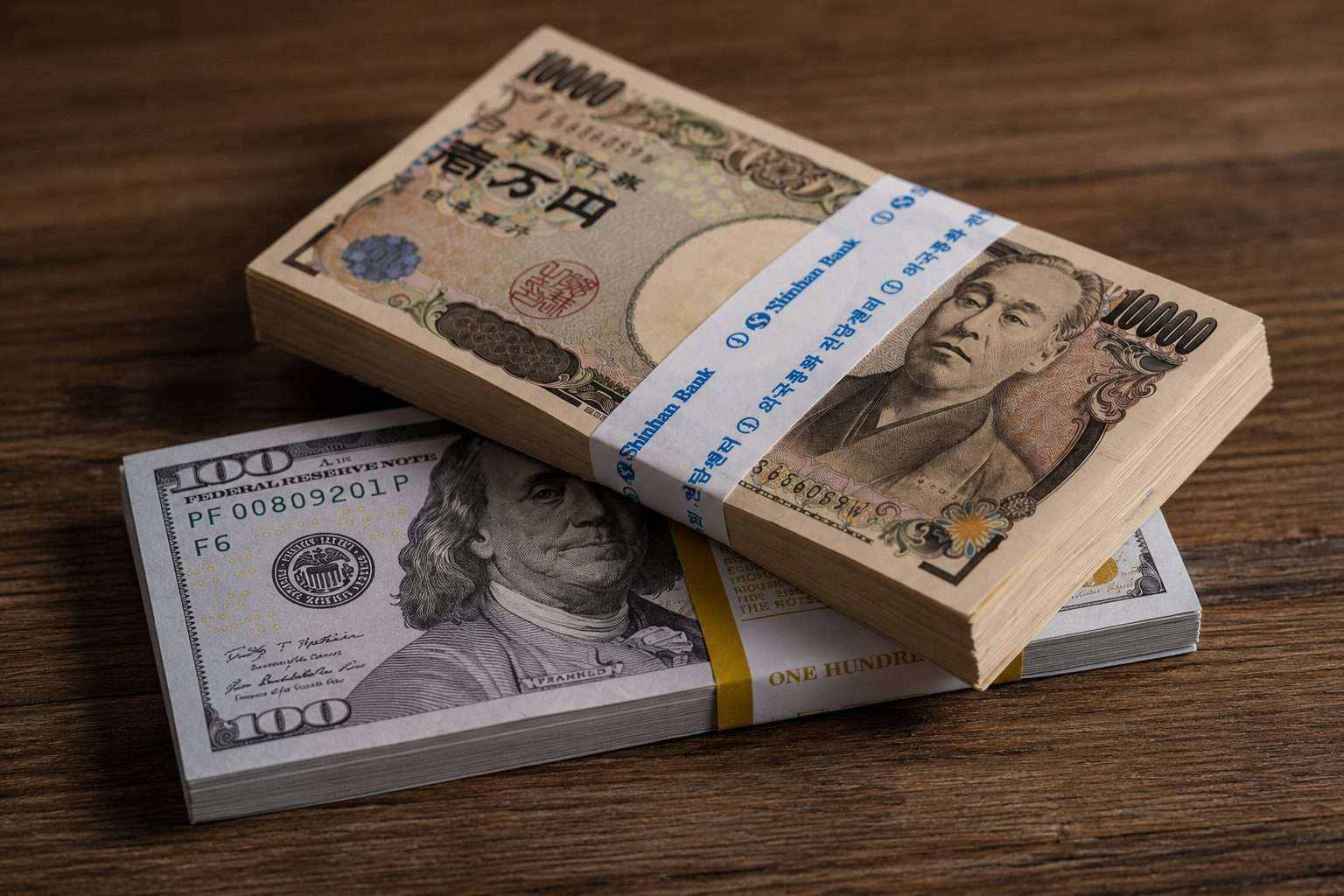
Japanese investors dumped a net ¥4.67 trillion ($29.6 billion) in U.S. government, agency and local authority debt for the three months ending March 31, marking their biggest pullout since Q2 2022, Japan’s balance-of-payments data showed, Bloomberg reported.
JGBs are back in focus, with yields jumping to highs last seen decades ago. The 10-year Japanese government bond yield climbed to around 2.73%, topping levels not seen since 1997. The 30-year JGB hit 4% for the first time since its debut in 1999, according to the Financial Times.
Japan holds a big chunk of U.S. Treasuries. Latest Treasury data put Japan’s holdings at $1.239 trillion at end-February. That tops the United Kingdom, which held $897.3 billion, and mainland China with $693.3 billion. A smaller Japanese bid can make a difference for the U.S. when borrowing demand is high, even without a wave of selling.
Inflation and higher rates are behind the move. Japan’s corporate goods price index jumped 4.9% in April from a year ago, Bank of Japan data showed, the quickest increase in three years. Import prices in yen shot up 17.5%.
Markets have mostly priced in a rate hike next month, Naomi Muguruma, chief bond strategist at Mitsubishi UFJ Morgan Stanley Securities, told Reuters. “A June rate hike won’t stop the bond selloff,” she said, since investors see the BOJ as behind the curve on inflation. Reuters
U.S. Treasury yields moved up again Friday, with the 10-year at 4.597% and the 30-year at 5.122%. Traders increased bets the Federal Reserve could hike rates later this year or in early 2027. “This is not an economy where the Fed is about to cut rates,” said Padhraic Garvey, head of global rates and debt strategy at ING. Reuters Reuters
Some investors are pointing to Japan as a headwind for global debt. Mark Dowding, BlueBay’s chief investment officer, said to the FT, per Fortune, that fresh cash “won’t be put to work overseas” and “won’t be going into U.S. Treasuries.” Fortune
Repatriation by Japanese investors hasn’t been steady. Investors sold ¥636.4 billion in foreign equities in April, but net sales of foreign bonds slowed to ¥219.2 billion, the smallest since January. Trust accounts picked up ¥897.3 billion of long-term foreign bonds. U.S. yields staying higher could keep some flows outbound.
Japan’s weekly flow numbers weren’t one-sided. Ministry of Finance data from May 3-9 showed residents net bought ¥1.641 trillion in foreign long-term bonds, but sold ¥593.6 billion in foreign stocks and investment fund shares.
G7 finance chiefs could take up bond-market swings at talks in Paris, Japan’s Finance Minister Satsuki Katayama said. She pointed to recent moves in yields from Japan, the U.S., and Britain, saying they “appear to be reinforcing each other.” Reuters The issue has stretched past the trading desks.
BOJ flags hedge fund activity in JGB market, sees risk to liquidity
The Bank of Japan said foreign hedge funds are now more active in Japan’s bond market, using repos and derivatives. The BOJ warned that a global unwind could hurt JGB liquidity. The central bank also said banks have enough loss-absorbing capacity for now, but noted mark-to-market losses on yen bonds have increased as rates moved higher.
U.S. officials face a clear if slow-developing threat. Japan doesn’t have to sell off Treasuries to lift borrowing costs. Just having Japanese investors shift more money back home and buy less in New York can tighten things for each U.S. auction.