
London, May 18, 2026, 11:03 BST
- Barclays slipped about 0.4% in late-morning London trading. The FTSE 100 edged a bit higher.
- The bank said it bought back 25.9 million shares last week and will cancel them under its current buyback plan.
- Investors are looking at capital returns and credit charges, as well as private-credit risk and the stock’s recent weaker momentum.
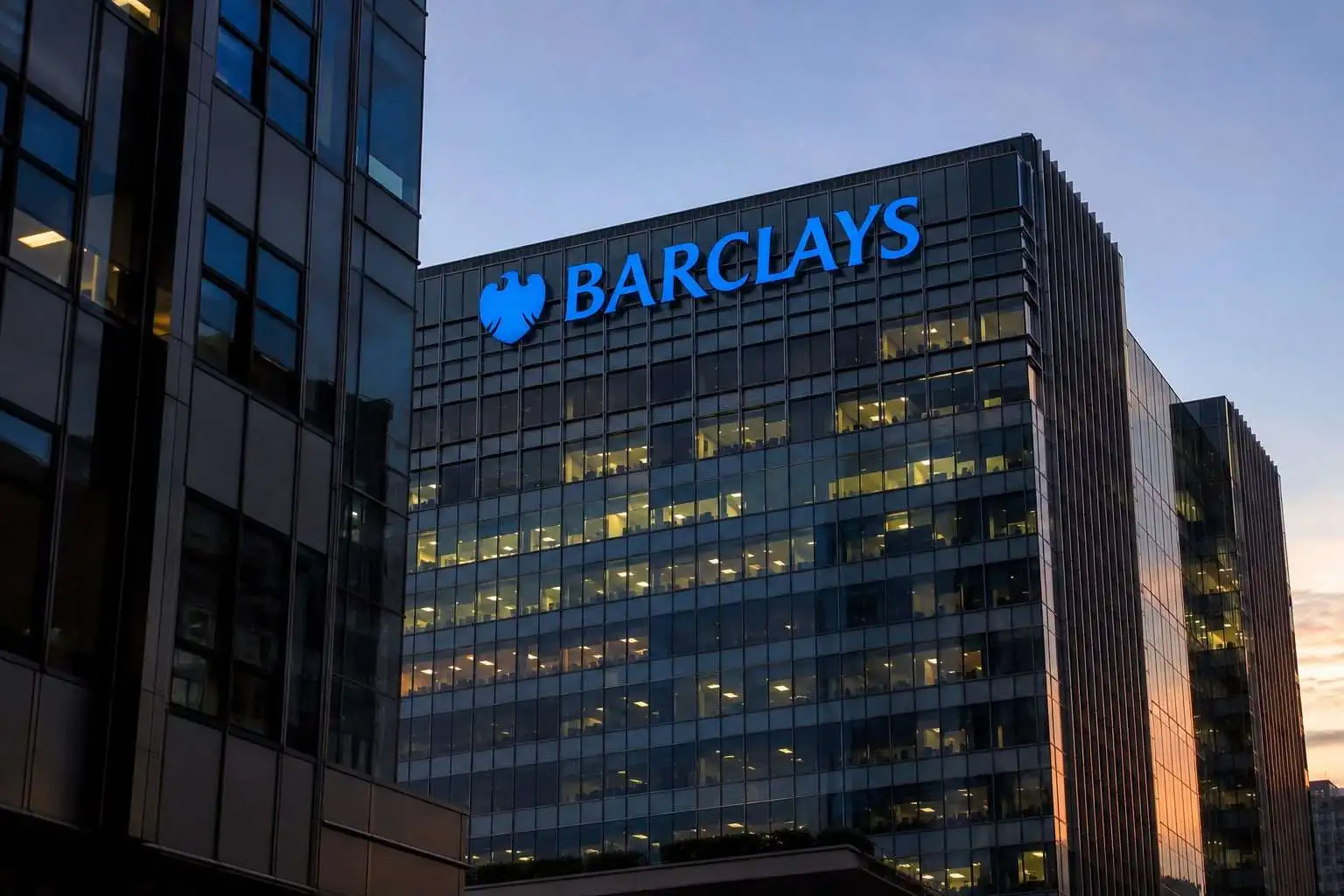
Barclays shares in London fell Monday. The bank disclosed last week’s buyback of almost 26 million shares, showing capital returns are active while the stock stays weak.
Barclays shares traded at 421.50 pence at 11:03 a.m. in London, down 0.43%. The stock ranged from 417.95p to 423.40p so far. The FTSE 100 edged up, with Barclays lagging the wider market in early deals.
Barclays has relied on buybacks—repurchasing its own stock to push up earnings per share—as part of its push to return more money to shareholders. The latest buyback isn’t big enough to impact the investment case alone, but it signals the bank is sticking to its plan even as trading remains volatile.
Barclays bought 25,859,455 ordinary shares on the London Stock Exchange from May 11 to May 15 at a volume-weighted average price of 425.7477p. The volume-weighted average price takes into account the size of trades each day. Barclays plans to cancel the stock, which brings outstanding ordinary shares down to 13,588,970,373.
Barclays shares dropped 2.62% on Friday, closing at 423.30p and trailing the FTSE 100, which was also down. MarketWatch reported the stock ended the session below its 52-week high from March 2, with lower-than-average 50-day volume.
Barclays posted pretax profit of 2.8 billion pounds for the first quarter, compared with 2.7 billion pounds a year ago. Results in late April were mixed. A 228 million pound provision linked to failed lender MFS took some shine off stronger trading. The bank’s 500 million pound buyback fell short of the analyst consensus compiled by Barclays.
Barclays posted a 13.5% return on tangible equity, which is above its 2026 target, Morningstar analyst Niklas Kammer said after the results. Kammer said MFS and motor-finance provisions “weighed on an otherwise good quarter.” He left his fair-value estimate at 435p and called the shares “fairly valued.” Morningstar
Competitive pressure showed up this quarter. Barclays’ investment bank posted a 4% income gain, but Reuters said its trading and advisory business trailed top Wall Street banks on several fronts. CEO C.S. Venkatakrishnan told Reuters U.S. firms have “a competitive edge” thanks to widening regulatory gaps. Reuters
Lloyds and NatWest are the main UK banks investors watch for domestic trends and capital returns. HSBC offers a bigger global reference. Last week the UK government said it will update ring-fencing rules, which keep retail deposits separate from riskier investment banking. The change affects large banks including Barclays, Lloyds, NatWest and HSBC.
Risk is easy to spot here. If credit losses go up, or regulators push harder after the MFS case, or UK motor-finance payouts jump again, Barclays might find less space to offer investors more generous returns. Buybacks help on share count, but they won’t make up for weaker earnings.
Monday’s trading didn’t give much of a breakout. The market still wants more proof. Barclays is cutting its equity base, but the shares are not rewarding the bank just yet.