
Sydney, May 20, 2026, 04:08 (AEST)
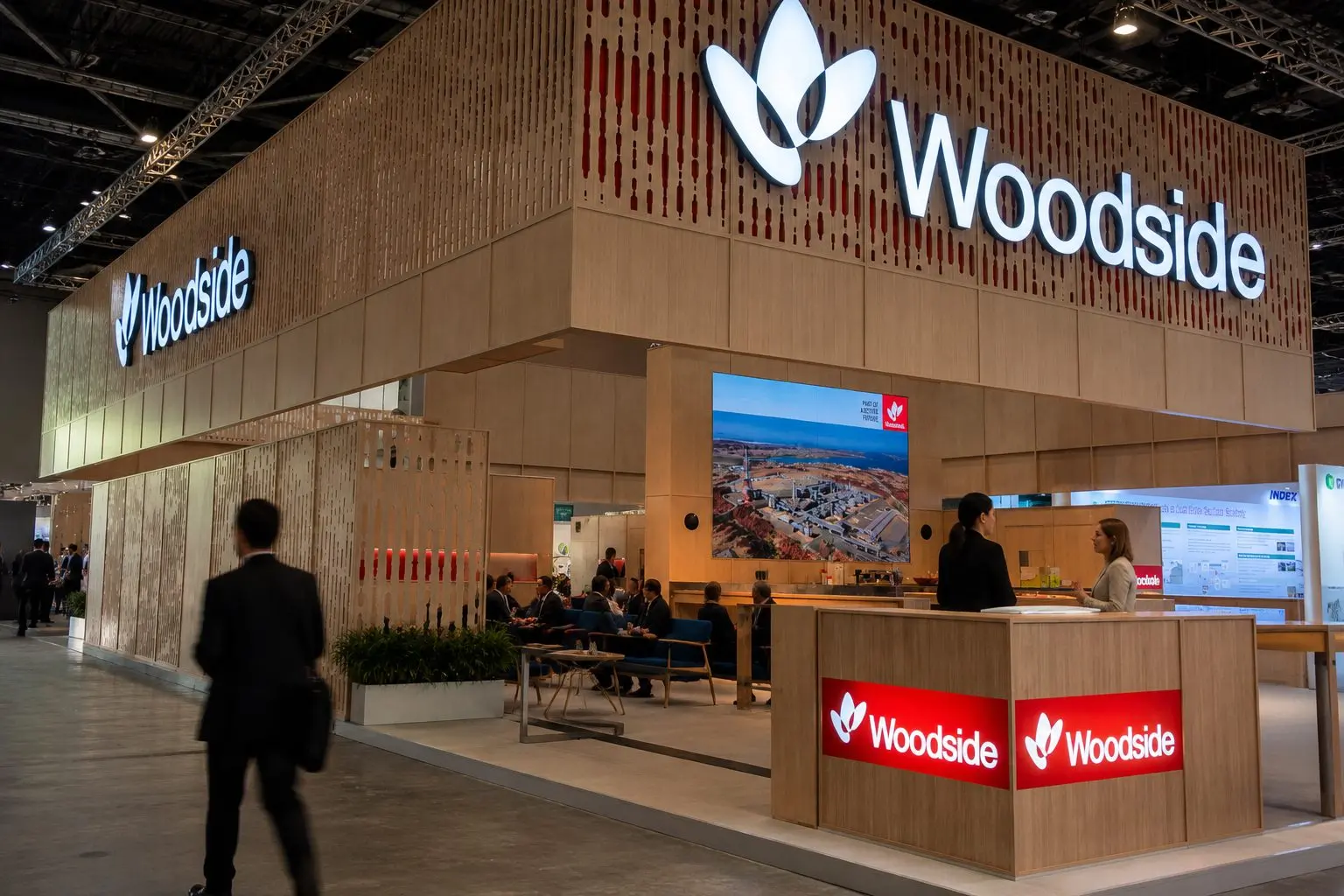
Woodside Energy Group closed higher in Sydney on Tuesday, but only just, as investors weighed firm oil prices against a fresh policy fight over how much gas exporters may have to keep for local buyers.
The shares ended at A$32.28, up 0.40%, after trading between A$32.02 and A$32.49. That left Woodside lagging the broader S&P/ASX 200, which rose 1.17% to 8,604.7 as Australian equities bounced from a seven-week low. The ASX cash market was closed at the time of publication, ahead of Wednesday’s regular session.
The reason it matters now is that Woodside’s stock is no longer trading only as a play on crude. The market is also putting a price on regulation, project approvals and whether Australia’s liquefied natural gas industry — LNG, or gas chilled into liquid form so it can be shipped — can keep signing long-term export deals while Canberra pushes for more domestic supply.
The latest pressure point is gas reservation. That means a rule forcing exporters to set aside some gas for Australian users rather than selling it all offshore. The federal review has led to a plan requiring energy exporters to reserve 20% of natural gas for Australia’s east coast domestic market from July 2027; the government has said existing contracts would not be hit and has ruled out a 25% windfall tax on gas exports.
Cecile Wake, chair of Australian Energy Producers and country chair of Shell Australia, said the industry must avoid a “false choice” between a well-supplied local market and a strong LNG industry. Santos CEO Kevin Gallagher, whose company runs the Gladstone LNG project in Queensland, said lower prices could “kill companies.” Reuters
Woodside Chief Executive Liz Westcott put the company’s concern more directly at the industry conference in Adelaide. For multi-decade projects, she said, flooding domestic markets with excess gas in the 2020s would be “sacrificial” to supply needs in the 2030s. Argus Media
Crude gave Woodside a cushion, though not a clean one. Brent futures were down about 1% on Tuesday after U.S. President Donald Trump paused a planned attack on Iran, but prices stayed high by recent standards, with Brent at $110.82 a barrel at midday in New York. Reuters reported the Middle East conflict had effectively closed the Strait of Hormuz, a waterway that normally carries about a fifth of global oil and LNG supplies.
That mix left energy stocks in a narrow lane. Santos, a direct Australian gas peer, finished flat at A$8.09, while Shell faced the same policy debate through its Australian LNG exposure. Woodside’s small rise suggested investors were not ready to sell the oil-price benefit, but were not prepared to ignore policy risk either.
The other live issue is Browse, Woodside’s long-delayed gas project off Western Australia. Japan’s Inpex said last week it would buy PetroChina’s 10.67% stake in the Browse gas fields, a move that could shift negotiating leverage inside the venture. MST Marquee analyst Saul Kavonic said the deal “could cause” an existing Browse partner to exercise pre-emptive rights. Reuters
Browse is big, expensive and still not through the gate. A Deloitte assessment commissioned by Woodside put expected capital spending at A$48.7 billion, including carbon capture and storage, or CCS — technology intended to trap carbon dioxide and store it underground. The project has also been delayed by environmental approvals and processing-agreement talks.
But the trade can break the other way. A durable Iran deal could pull crude lower and take some heat out of Woodside’s share price; a stricter gas reservation design could crimp project returns; and industrial action adds a nearer-term wrinkle, with some workers at Woodside’s Karratha gas plant and Pluto LNG facilities due to begin protected strike action on Wednesday, according to the Offshore Alliance union.
For Wednesday’s session, the stock’s next cue is likely to come from oil headlines first, and policy detail second. The larger question is whether Woodside can keep the market focused on high prices and long-life LNG demand, rather than the rising cost of getting Australian gas projects approved, staffed and sold.