
New York, May 23, 2026, 11:04 (EDT)
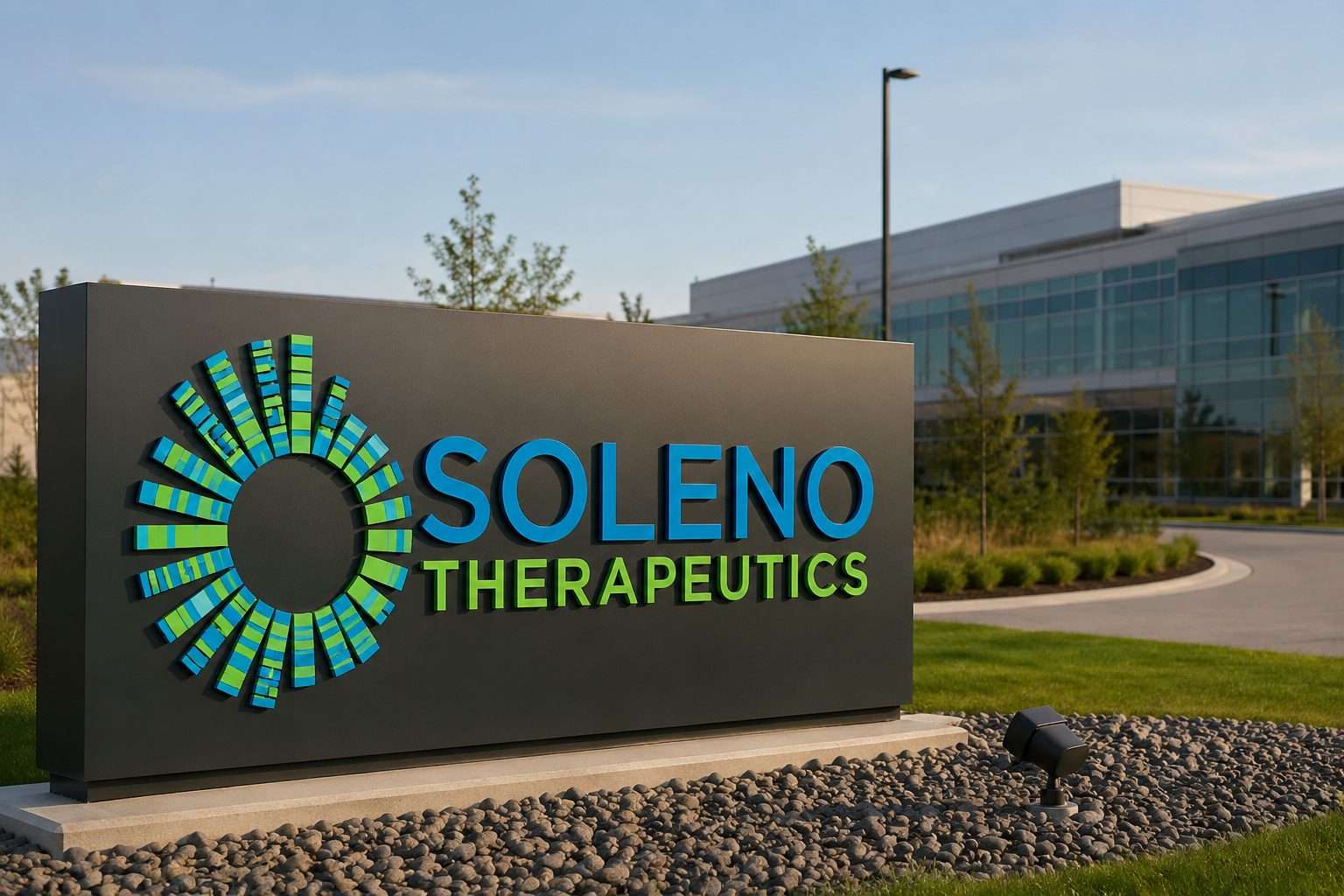
Soleno Therapeutics’ time on Nasdaq wrapped last week after Neurocrine Biosciences finished its $2.9 billion all-cash buyout. SLNO shareholders got a set $53 per share instead of trading price. Nasdaq said May 15 was the last day for Soleno stock, with suspension in place starting May 19.
No catch-up this weekend, with U.S. equity markets closed Saturday and Nasdaq’s holiday calendar confirming markets will also be shut Monday, May 25, for Memorial Day. Trading is set to resume Tuesday.
Soleno shares last traded at $53.01, just above the merger price. The stock hovered near the cash offer once the deal looked secure. Neurocrine finished at $156.70, up 0.7%. The SPDR S&P Biotech ETF lost 0.8% and the iShares Nasdaq Biotechnology ETF edged down 0.1%. Soleno’s move kept it out of line with this week’s wider biotech action.
Soleno shareholders had until just after 11:59 p.m. Eastern on May 15 to respond to a tender offer. About 88.9% of shares, or 46,356,114 in total, were tendered. There was no shareholder meeting. The merger closed May 18, making Soleno a wholly owned unit of Neurocrine, according to an SEC filing.
Soleno is the latest to wrap up open filings. The company filed a post-effective amendment on May 21, cancelling unsold but registered shares after closing its merger. Soleno said it ended the offerings tied to its older registration statement.
Neurocrine picked up VYKAT XR, which is used to treat hyperphagia in Prader-Willi syndrome patients. Hyperphagia means constant hunger that food doesn’t fix. Soleno said the FDA approved the drug for adults and kids 4 and up in March 2025.
Neurocrine CEO Kyle Gano said in April the deal would “accelerate” revenue growth and add more to the company’s portfolio. Soleno’s chief Anish Bhatnagar called Neurocrine “the right strategic partner” for expanding VYKAT XR’s presence. The company reported VYKAT XR brought in $190 million in revenue in 2025 after launching in the U.S. PR Newswire
RBC Capital’s Brian Abrahams called the deal more than just a bolt-on, telling Reuters it gave Neurocrine a “third leg to the story” on “accretion potential and competitive positioning.” Cantor’s Josh Schimmer sees VYKAT XR sales topping $1 billion a year in 2029. Analysts have been framing the buy as a rare-disease revenue move. Reuters
Competitive threats have eased a bit from earlier this year. The FDA last week put a full clinical hold on Aardvark Therapeutics’ ARD-101, which is being tested for extreme hunger in Prader-Willi syndrome. The move stopped late-stage trials because of heart-related safety issues flagged in earlier studies.
The clean cash exit isn’t a clean strategic one. Now the risk has moved, from Soleno merger arbitrage to watching Neurocrine’s execution. VYKAT XR still needs to grow its patient base, safety monitoring is in focus, and the FDA label calls out hyperglycemia and severe cases linked to diabetic ketoacidosis during trials.
Soleno shareholders don’t have much left to do this week. With SLNO shares gone and nothing to trade when markets reopen Tuesday, what’s left is getting the cash merger payout processed. Anyone wanting in on the drug at this point has to look to Neurocrine for exposure.