
New York, May 26, 2026, 06:03 (EDT)
- Leslie’s shares ended at $3.45 on May 22, up 11.65%. That was before the U.S. market paused for Memorial Day.
- Leslie’s reported stronger sales and traffic for its May 13 quarter, but the company still had a net loss of $52.5 million.
- Leslie’s still faces Nasdaq listing pressure. The company said it has until Aug. 10, 2026 to get back above the public-float market-value threshold.
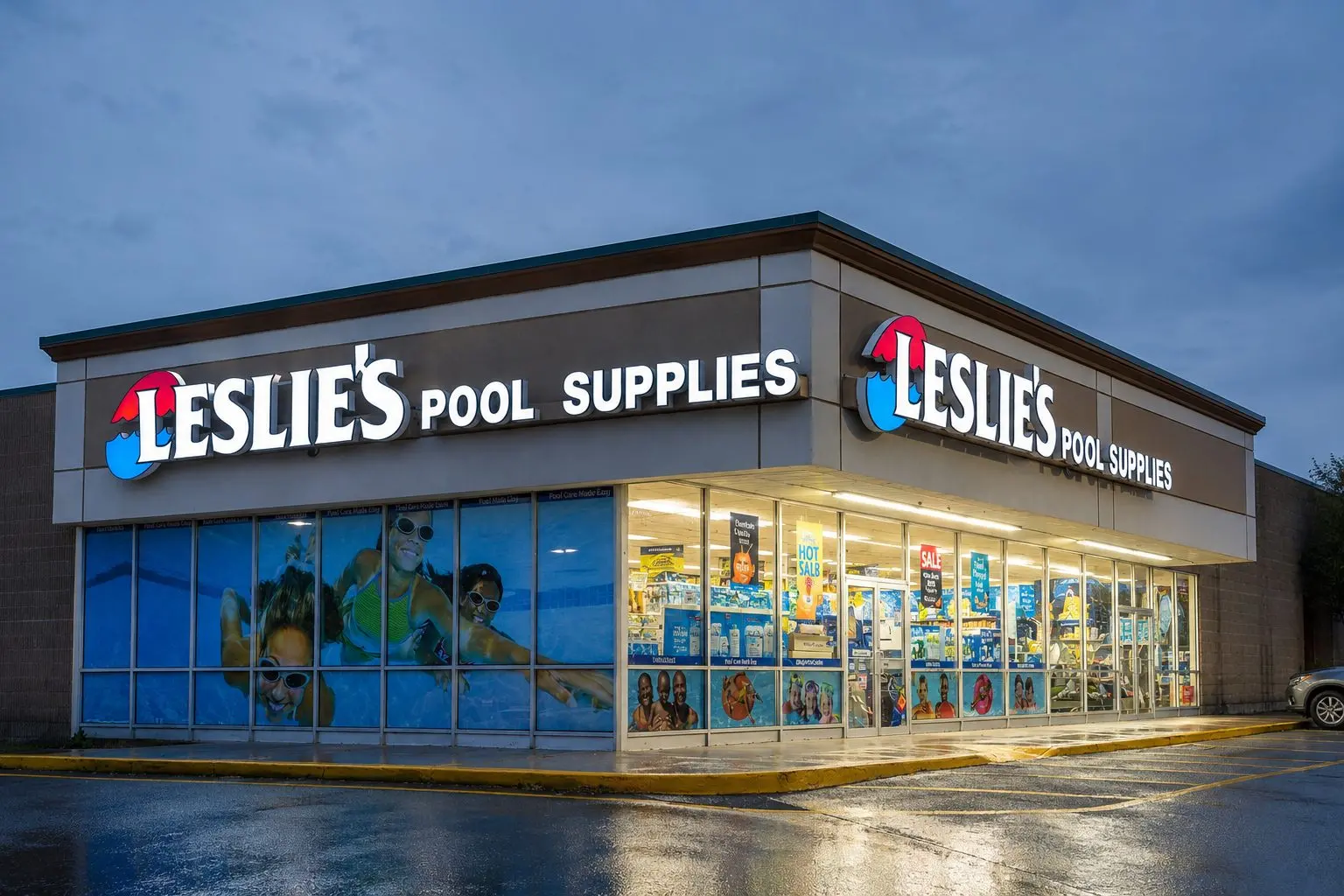
Leslie’s Inc. shares start trading Tuesday after gaining 11.65% in their last regular session. The small-cap retailer is still working to show that cutting prices will boost traffic and not widen losses.
Shares of the Nasdaq-listed pool supplies chain ended at $3.45 on May 22, up 36 cents for the day, before slipping to $3.31 in after-hours moves, WSJ market data shows. U.S. stock markets stayed shut Monday for Memorial Day and will open again Tuesday.
Timing is key here. Broader risk was up before the bell—U.S. stock futures climbed early Tuesday as Middle East peace talks and chip names boosted sentiment, Reuters said. Leslie’s trades more on its own turnaround hopes than any move in the index.
Shares bounced after Leslie’s posted its fiscal Q2 numbers earlier this month. The company, based in Phoenix, reported a 4.3% sales gain to $184.7 million for the quarter ending April 4. Comparable sales were up 6.6%. Customer count climbed 8% over last year.
Leslie’s CEO Jason McDonell said the company’s transformation plan has “delivered measurable results” and its “Price Drop” program is “resonating with customers.” Leslie’s started the program in March to cut prices on key products and shift away from deeper promotions. Leslie’s, Inc.
Leslie’s net loss widened to $52.5 million, up from $51.3 million in the same period last year. Gross margin came in higher at 28.9%, compared to 24.8% a year ago. Adjusted EBITDA loss narrowed to $26.8 million from $36.1 million.
Management stuck with its full-year fiscal 2026 targets, still calling for sales between $1.10 billion and $1.25 billion and adjusted EBITDA of $55 million to $75 million. The company pointed out again that the business is seasonal, and said most sales and profit should show up in the second half when pool usage picks up.
Leslie’s shareholder list changed again after a new filing on May 20. Lee William Baxter and Andrew Storm, acting together, disclosed they hold 470,000 Leslie’s shares, or 5.02% of the stock. They reported beneficial ownership, which gives them the right to vote or invest those shares, even if the shares are owned through other setups.
Competition is a big factor in the price reset. Leslie’s has pointed to regional and local independents as its main rivals, with Home Depot and Lowe’s mainly showing up during spring and summer. Pool Corp says it is the largest wholesale distributor for pool supplies and related goods.
Market conditions are providing some support. “Investors still appear willing to buy dips,” Capital.com senior market analyst Daniela Hathorn said in a broader note to Reuters. But with Leslie’s, the question is if there’s enough appetite for a high-risk turnaround name with thin liquidity, not just another small-cap bounce. Reuters
The downside is still right there: cutting prices might bring in more shoppers but still fall short on profits, summer weather can always dent pool sales, and Nasdaq hasn’t dropped its listing warning. Leslie’s said in its quarterly report it got a notice from Nasdaq on Feb. 11 after shares held by the public stayed below $15 million for 30 days. If Leslie’s doesn’t fix that by Aug. 10, it could face a delisting.
The start of trading Tuesday will signal if last week’s rally sticks. Summer is the real test for Leslie’s, when more store traffic needs to actually lift the bottom line and not just fill the aisles.