
New York, May 27, 2026, 08:17 EDT
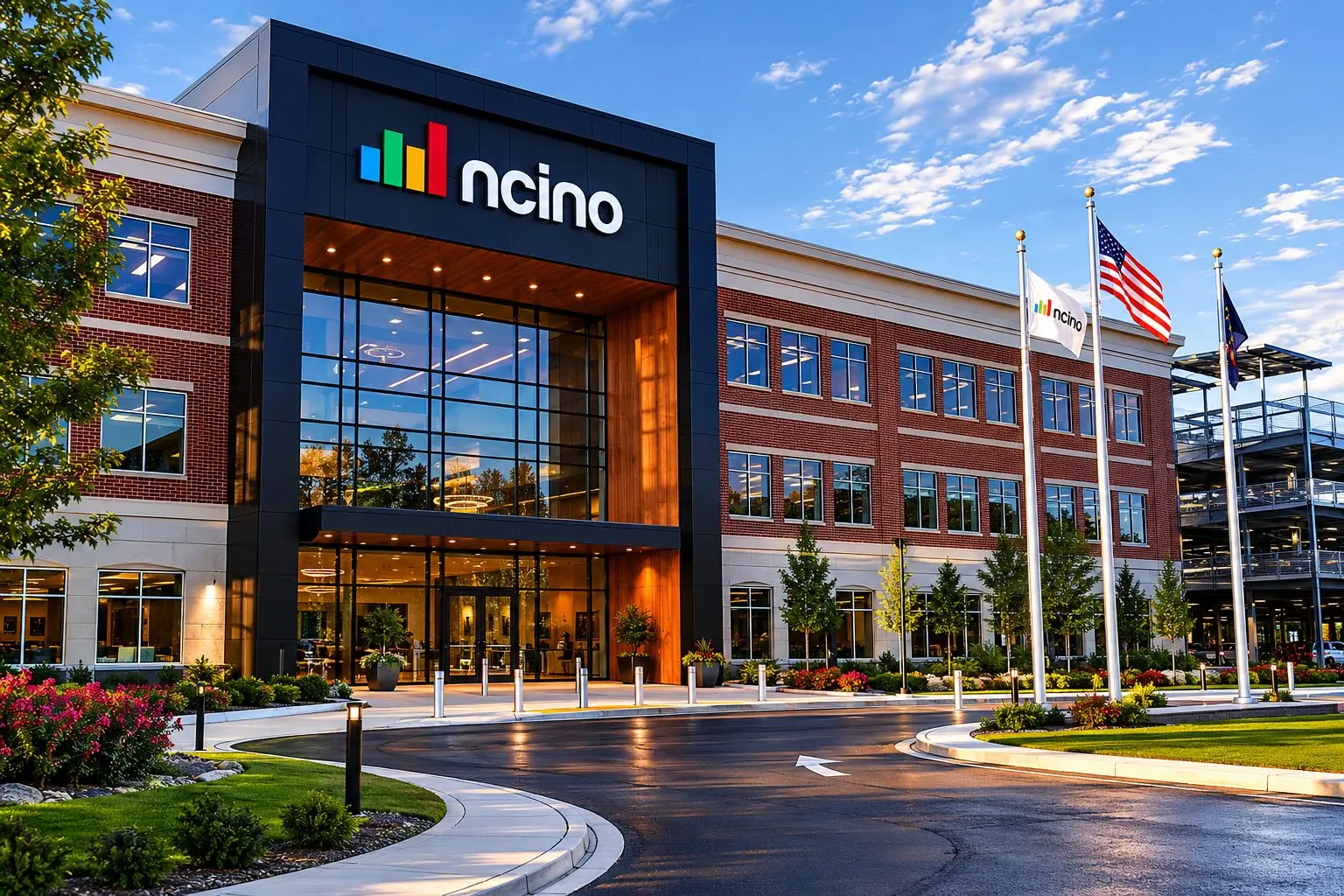
nCino Inc. traded at $15.15 in pre-market deals ahead of Wednesday’s Nasdaq open, after closing at $15.23 on Tuesday, down 5.23%. The stock moved in light early trading before the regular session starts at 9:30 a.m. ET and ends at 4 p.m.
nCino is set to release fiscal first-quarter numbers after the close Wednesday, just hours after the move. The banking software group will hold its call at 4:30 p.m. ET. That puts Wednesday’s print in focus as nCino tries to show progress with its AI bank operations pitch.
That’s relevant because there are forecasts in play. StockStory reported Tuesday that analysts had nCino’s revenue growing around 8% year over year, and said most analysts had reaffirmed their estimates for the company in the last 30 days.
nCino sells its cloud-based software to banks and financial firms. This software-as-a-service model means clients pay by subscription, not by owning the software. The company now calls itself a platform for “agentic AI banking”—AI tools that do parts of banking work with people checking the results. nCino said this month it has over 2,700 customers worldwide. nCino, Inc.
March wasn’t soft at nCino. The company put up fourth-quarter revenue of $149.7 million, a 6% rise. Subscription revenue ticked up 7% to $133.4 million. Annual contract value was $602.4 million as of Jan. 31, up 17%. For fiscal 2027, nCino expects revenue between $639 million and $643 million, and free cash flow of $132 million to $137 million.
Chief Executive Sean Desmond said fiscal 2026 would be a “landmark year” as the company is seeing “accelerating demand” for its AI offerings. Finance chief Greg Orenstein linked a new $100 million accelerated share buyback — a bank-arranged repurchase done at the start — to what he called nCino’s conviction in AI banking. nCino
Truist Securities analyst Terry Tillman called nCino’s fourth quarter a “strong finish,” according to Barron’s, but Truist held its Hold rating and dropped its price target from $27 to $19 after the March results. Analysts are more cautious. Barron’s
Peer read-through is mixed. StockStory points to Q2 Holdings, a vertical software firm for financial institutions, reporting 14.1% year-on-year revenue growth and a small beat last quarter, but notes Q2 shares fell after earnings. Q2 traded down at $45.42 in thin pre-market action Wednesday. Alkami Technology was little changed at $16.80.
But the setup goes both directions. nCino’s annual filing flagged risks to growth if it can’t sign up new customers or get existing ones to use more of its services. The filing said weak economic conditions, interest rate moves, and more competition from AI-enabled products could all hurt bank tech spending. If subscription revenue, annual contract value or fiscal year guidance come up short, there may not be much patience left with the stock near its 52-week low at $13.80.
Price moves on Wednesday are mostly traders setting up before results hit. The data will say if nCino’s bet on AI in banking is driving growth or if the stock is still stuck in wait-and-see mode with investors.