
New York, May 27, 2026, 09:02 (EDT)
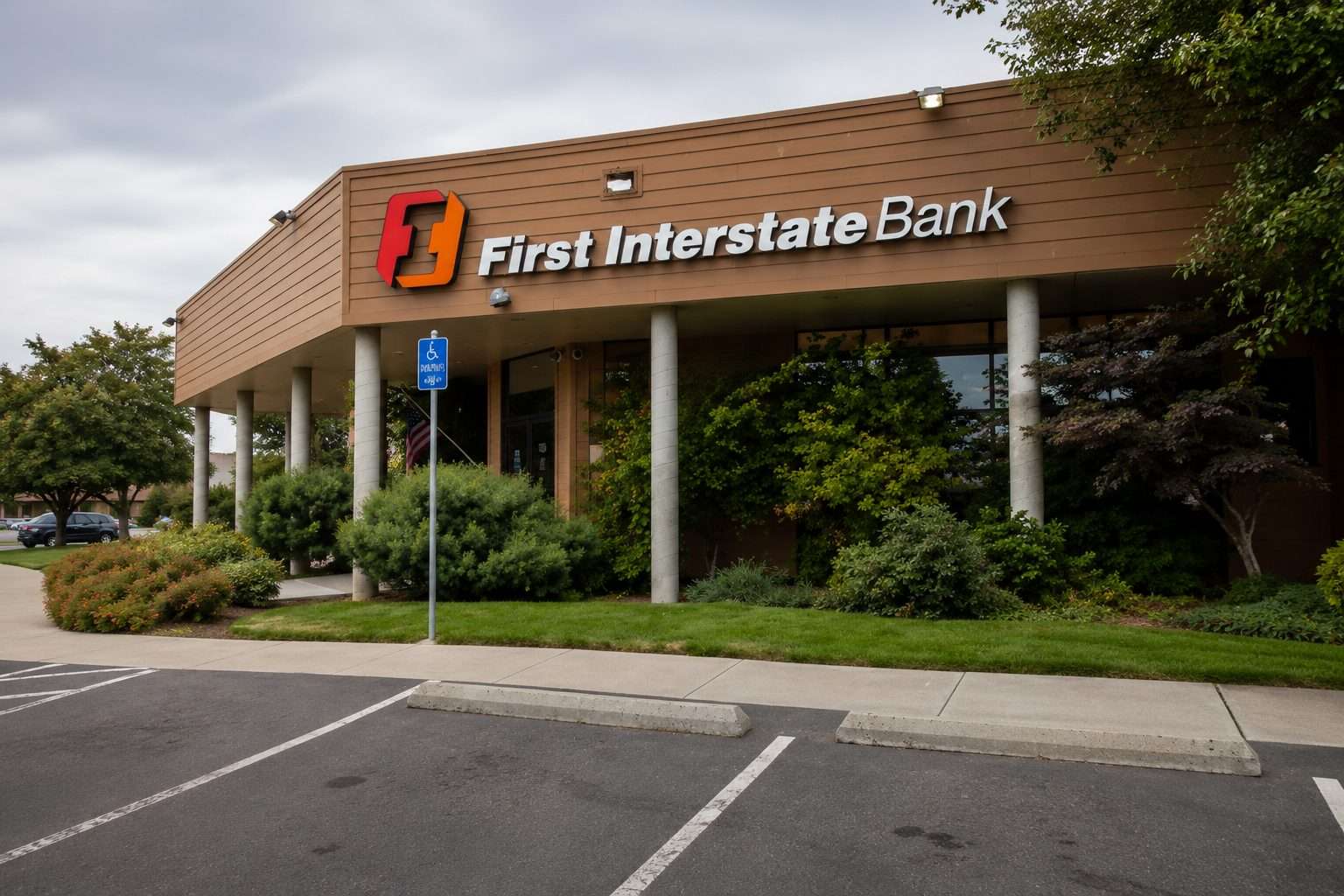
First Interstate BancSystem Inc. filed a new automatic shelf registration on Tuesday, giving the Montana-based regional bank room to raise capital later, a move that put FIBK back in focus after the shares closed higher and a market headline reported a D.A. Davidson downgrade.
A shelf registration is a standing SEC filing that lets a company sell securities later, usually with a new supplement spelling out the price, size and underwriters. First Interstate’s May 26 filing covered common stock, preferred stock, depositary shares, debt securities, warrants, purchase contracts and units.
That matters now because the filing is not a sale, but it gives management optionality at a time when regional-bank investors are watching capital returns, deposit costs and credit quality closely. The filing said specific terms would come later in a prospectus supplement and that proceeds, unless another use is named, may go toward general corporate purposes, including refinancing, share repurchases or acquisitions.
FIBK closed Tuesday at $36.13, up 1.8%, and was unchanged after hours, market data showed. Nasdaq’s 2026 calendar shows U.S. markets were closed Monday for Memorial Day, and regular trading hours run from 9:30 a.m. to 4:00 p.m. Eastern time.
The timing is also awkward in a normal corporate-governance way. First Interstate shareholders are due to meet Wednesday at 4:00 p.m. Mountain Time in Billings, Montana, with votes scheduled on three directors, a contested-election voting amendment, executive pay and the ratification of Ernst & Young as auditor.
The regional-bank tape gave the stock some cover. Latest quoted data showed the SPDR S&P Regional Banking ETF up about 1.3%, Glacier Bancorp up nearly 2.0% and Columbia Banking System up about 1.2%, useful peers for a read on western and regional banking sentiment rather than exact one-for-one comparisons.
But the analyst tone was less clean. A TipRanks/TheFly item carried in Robinhood’s FIBK feed said D.A. Davidson downgraded First Interstate to Neutral from Buy and lowered its price target to $39 from $41, citing a CEO-transition catalyst that had already improved the outlook.
First Interstate’s last earnings update gave bulls some material to work with. The company said on April 29 that first-quarter net income rose to $60.2 million, or 61 cents a diluted share, from $50.2 million, or 49 cents, a year earlier.
The bank also reported a net interest margin of 3.41%, up 22 basis points from a year earlier. Net interest margin is the spread between what a bank earns on loans and securities and what it pays for deposits and other funding; Chief Executive James A. Reuter said the quarter showed “continued improvement” in that margin and a “strong commercial pipeline.” First Interstate BancSystem
The balance-sheet details were mixed. Deposits fell $205.3 million in the quarter to $21.88 billion, while non-performing assets — loans and other assets not paying as agreed — rose 17.5% from the prior quarter to $162.5 million. Net charge-offs fell to $2.4 million.
Capital return remains part of the stock story. First Interstate repurchased 2.39 million shares for about $84 million in the first quarter, and its proxy said the company returned $311.9 million to shareholders through dividends and buybacks in 2025, roughly 103% of net income.
The company operates 273 banking offices across Colorado, Idaho, Iowa, Missouri, Montana, Nebraska, Oregon, South Dakota, Washington and Wyoming, and remains built around community banking rather than capital markets or large-scale trading operations.
But the risks are plain enough. A future stock sale under the shelf could dilute existing holders, debt issuance could lift funding costs, and weaker deposits or higher problem loans could narrow the room for buybacks and dividends; the filing itself flags credit, liquidity, interest-rate, dividend-policy and dilution risks.
For now, investors have a split setup before the bell: a stock that rose with the regional-bank group, a new filing that widens management’s financing options, and a fresh downgrade that may test whether margin gains and buybacks can keep carrying the shares.