
NEW YORK, May 27, 2026, 11:07 EDT
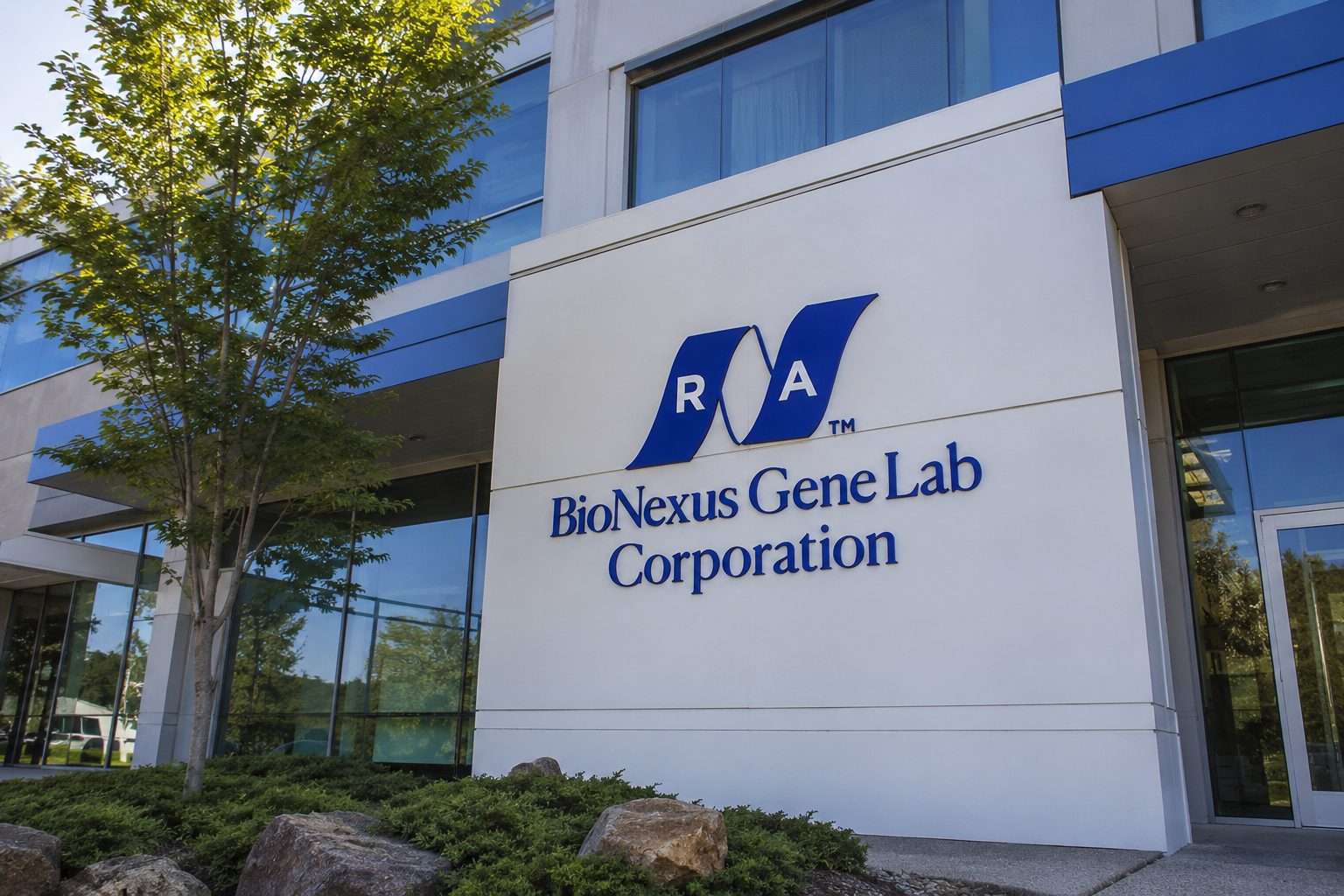
BioNexus Gene Lab Corp. traded up 1.45% to $2.10 in light action Wednesday, with less than 3,000 shares moving on Nasdaq. Market cap was around $5.1 million. The last posted trade came at 10:10 a.m. EDT, pointing to the stock’s lack of liquidity.
Trading picked up during the regular U.S. session after the Memorial Day holiday shut markets Monday. Nasdaq’s standard hours are 9:30 a.m. to 4 p.m. Eastern, and the exchange’s 2026 calendar lists May 25—not May 27—as a market holiday.
Why it matters now: BioNexus trades with a tiny float, and small trades can swing the stock. Price moves aren’t always about the business. Company filings carry more weight for a name this size.
Kuala Lumpur-based company posted first-quarter revenue of $22,842, down from $2.14 million a year ago. Net loss for the quarter narrowed to $543,575 from $623,327. The filing pointed to weaker business at its Malaysian chemicals unit, Chemrex, as the main reason for the revenue slide.
BioNexus said in a filing it sent demand letters on May 13 to five ex-officers and directors of Chemrex, looking to get back around $2.94 million. The company said Chemrex made those payments to them between July 2024 and August 2025, but sees the deals as unauthorized under Malaysian law.
That’s what’s weighing on the shares now. The stock’s slight move up comes as investors ask if BioNexus can keep Chemrex steady and keep moving into precision diagnostics.
BioNexus is working to set up a platform for VitaGuard, its MRD (minimal residual disease) test. These MRD tests scan for small amounts of leftover cancer, often with a liquid biopsy—a blood test designed to pick up cancer markers. The company in March named Dr. Muthu Meyyappan as chief commercial officer of Fidelion Diagnostics, the firm handling VitaGuard outside Greater China. CEO Sam Tan expects Meyyappan’s background will help drive adoption. Meyyappan said genomics and liquid biopsy are “transforming how cancer is detected and monitored.” SEC
The space has plenty of players. Bigger molecular-testing names moved both ways Wednesday. Natera lost 1.5%. Guardant Health jumped 3.4%. Both saw much higher trading than BioNexus. These stocks give some sense of investor appetite for cancer-diagnostics, but BioNexus is much smaller and nowhere near as far along in selling its platform.
Management acted to tighten oversight of Chemrex. In a February filing, Tan described Chemrex as “a strategic platform.” Chemrex Chairman Matthew Barsing said the company’s focus was on “governance, accountability, and structured execution.” SEC
But the downside risk isn’t hard to see. BioNexus said in its filing that its losses, negative cash flow and accumulated deficit have raised “substantial doubt” about its ability to stay in business for the next year. The company also flagged its disclosure controls as not effective and cautioned that any equity raise could dilute current shareholders. SEC
The stock is acting like a thin micro-cap at the moment, not giving much of a read on biotech names more broadly. What to watch next: whether BioNexus manages to address the Chemrex demand, get revenue back on track, and maintain enough cash to support the diagnostics push without diluting more by selling new shares.