
NEW YORK, May 29, 2026, 08:03 ET
- Capital City Bank Group changed hands at $46.03 ahead of the Nasdaq open after closing down about 1.1%.
- Treasurer Thomas A. Barron sold 6,000 shares on May 26, a filing showed, with prices between $46.07 and $46.79.
- Capital City Bank Group, Inc. has set the next dividend record date for June 1, with shareholders getting a $0.27 per share payout on June 15.
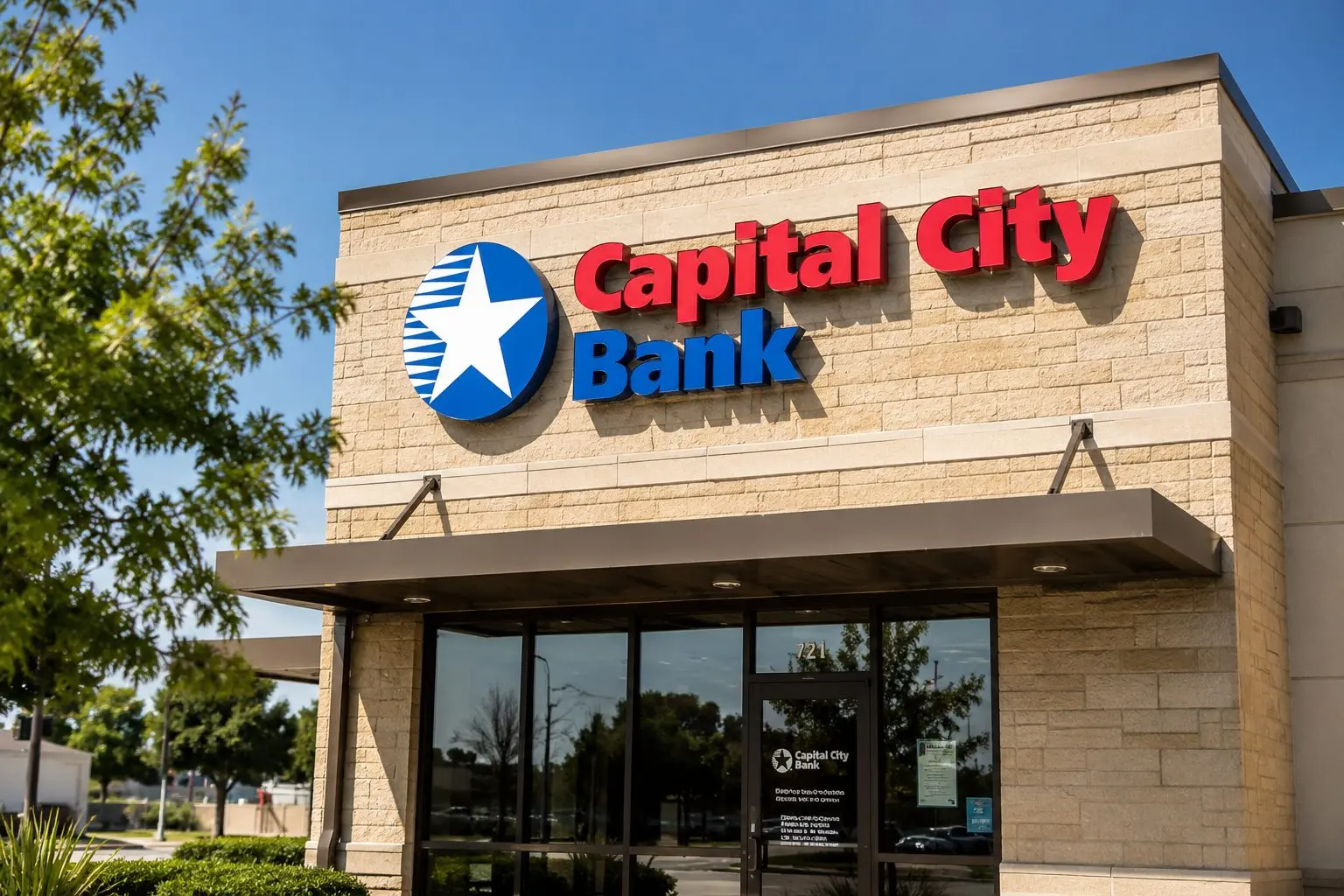
Capital City Bank Group traded flat in early premarket Friday after dropping in the prior session. A new insider sale filing and some irregular options activity have drawn attention to the lightly traded Florida bank.
CCBG shares last closed at $46.03, down 1.07% on the day, and the premarket was flat. The stock is still sitting under the 52-week high of $48.78 and above the low of $36.21. Market cap for the Tallahassee lender is about $787 million.
Timing is a factor here. Nasdaq’s main session in New York runs 9:30 a.m. to 4:00 p.m. ET, but regular trading hadn’t started yet; premarket goes from 4:00 a.m. to 9:30 a.m. ET. Nasdaq’s posted holiday calendar for 2026 lists Memorial Day as the closure this week, which was May 25, not Friday.
Stocks got a lift from the wider market. U.S. equity futures were flat after indexes hit new highs. Traders are eyeing inflation numbers and news from the Middle East. “Risk appetite has improved as geopolitical fears ease,” Daniela Hathorn, senior market analyst at Capital.com, told Reuters. Reuters
Capital City Bank Group set its next dividend, giving traders a date to watch. The bank said May 20 its board approved a $0.27 per share cash dividend, to be paid June 15 for holders as of June 1. That’s $1.08 per share annualized.
Barron, named as treasurer and a director, disclosed the sale of 6,000 directly held common shares on May 26 at an average price of $46.38, according to an insider filing. The trades, which ranged from $46.07 to $46.79, leave Barron with 147,979 shares directly after the transaction.
Options traders watched the name, too. A Zacks post on TradingView pointed to heavy implied volatility in the June 18, 2026, $55 call, ranking it among the highest for equity options that day. Implied volatility tracks how much the market expects the stock to move. It doesn’t say if the stock will rise or fall.
Capital City Bank Group posted first-quarter net income of $15.8 million, or $0.92 per diluted share. That’s higher than the $13.7 million, or $0.80, it reported for the fourth quarter, but down from $16.9 million, or $0.99, the same period last year. Chairman and CEO William G. Smith Jr. said the bank showed “solid deposit trends” and “disciplined credit performance.” Capital City Bank Group, Inc.
Bank investors haven’t stopped watching margins. Net interest margin came in at 4.24% in the first quarter, down two basis points from the fourth quarter. That’s the difference between what the company makes on loans and securities and what it pays for deposits and other borrowing. A basis point equals one-hundredth of a percentage point.
Ameris Bancorp traded a bit lower, and SouthState Bank slipped too, with the action coming as regional banks saw mixed moves. The KRE regional-bank ETF was down slightly in the most recent data.
Capital City isn’t a big-bank story. The investor site calls it one of Florida’s biggest public financial holding companies, with $4.5 billion in assets and 62 branches in Florida, Georgia and Alabama. Local credit demand, deposit costs, and branch execution matter more for it than global trading or investment banking.
Risks are building that the credit story isn’t as easy as it looked. The company’s 10-Q showed nonperforming assets climbed to $13.0 million as of March 31, up from $10.5 million at year-end and $4.4 million a year ago. Average loans held for investment dropped 1.16% from the fourth quarter and fell 4.8% from a year earlier. If loan demand stays weak or credit costs go up, the dividend and margin story may matter less.
Right now, the stock faces three near-term markers: how it handles Friday’s normal trading, the dividend record date on June 1, and if the options flow at the $55 call signals solid buying or turns out to be quick volatility.