
New York, June 4, 2026, 16:05 (EDT)
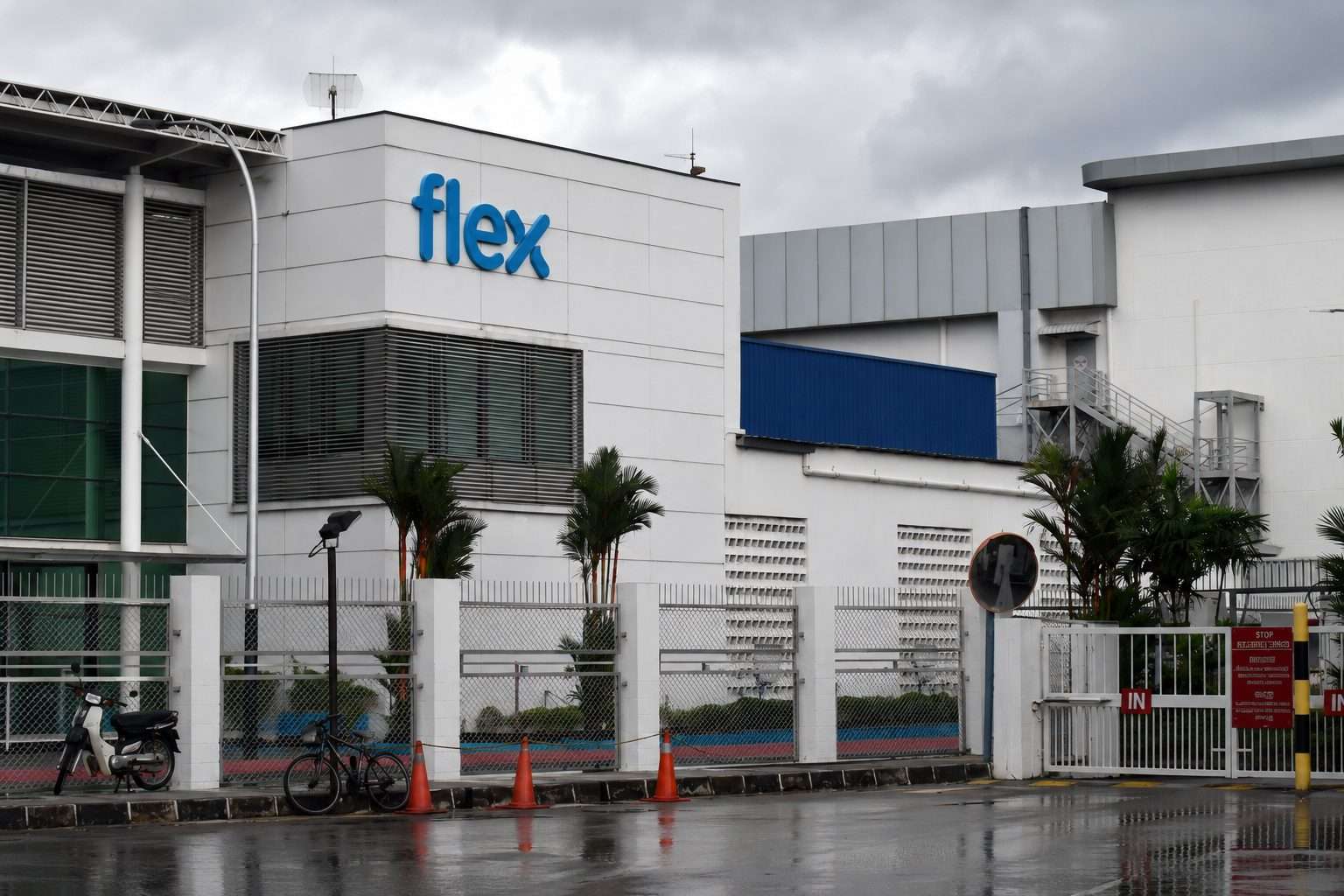
Flex Ltd. shares dropped Thursday, slipping from a recent AI-infrastructure run. The company is taking on a $1.45 billion term loan while it moves more into data-center power systems. Nasdaq had the stock at $159.77, down $2.17, or around 1.3%. Flex has traded between $150.92 and $161.06.
Flex’s new financing hits as the company looks to shake its image as a low-margin electronics assembler. In a June 2 SEC filing, Flex said it signed a senior term loan facility on May 29. The loan is fully funded and matures on Nov. 29, 2027.
Flex’s loan refinances a 364-day facility that was used for its buy of Electrical Power Products, according to the filing. The new loan has a floating rate tied to Term SOFR or a base rate. Flex must keep its debt/EBITDA ratio at or below 4.0 times.
Second, the story around the stock has moved quickly. Last month, Flex said it wants to spin off its cloud and power infrastructure arm into its own listed company by early 2027. The company said the move is meant to let investors better value its AI data-center business.
The unit is what Flex traders are watching now. At COMPUTEX in Taipei, Flex showed off a 110 kW power shelf for Nvidia Vera Rubin NVL72 platforms, a 30 kW capacitive energy storage system, and the BMR317 intermediate bus converter. Chris Butler, president of Embedded and Critical Power at Flex, said AI growth is bringing “new demands on data center power infrastructure.” Flex Investor Relations
The rally isn’t just about narrative. Flex posted fiscal 2026 net sales of $27.9 billion and is guiding for fiscal 2027 sales between $32.3 billion and $33.8 billion. CEO Revathi Advaithi cited “disciplined execution and a clear strategy” following the company’s fiscal fourth quarter. PR Newswire
Peers dropped, pointing to broader pressure. Jabil slipped roughly 0.6% late, and Celestica, often tied to AI and supply chains, sank 7.8%. The overall market was mixed. A chip selloff weighed on the Nasdaq, even as the Dow jumped.
Investors seem to be betting on a smooth separation, but Flex hasn’t finished the job yet. The company said the spin-off could hit delays, see extra costs, run into regulatory trouble, miss out on expected tax-free status, or face trouble with customers or staff. The company also listed other execution risks.
Flex is acting like a company in the middle of a shift — it’s a manufacturer, it’s tied to AI hardware, and it’s just taken on some new medium-term debt. The question now is if management can hold orders, keep margins up, and stick to the spin-off plan at the same time.