
LONDON, June 6, 2026, 17:14 (BST)
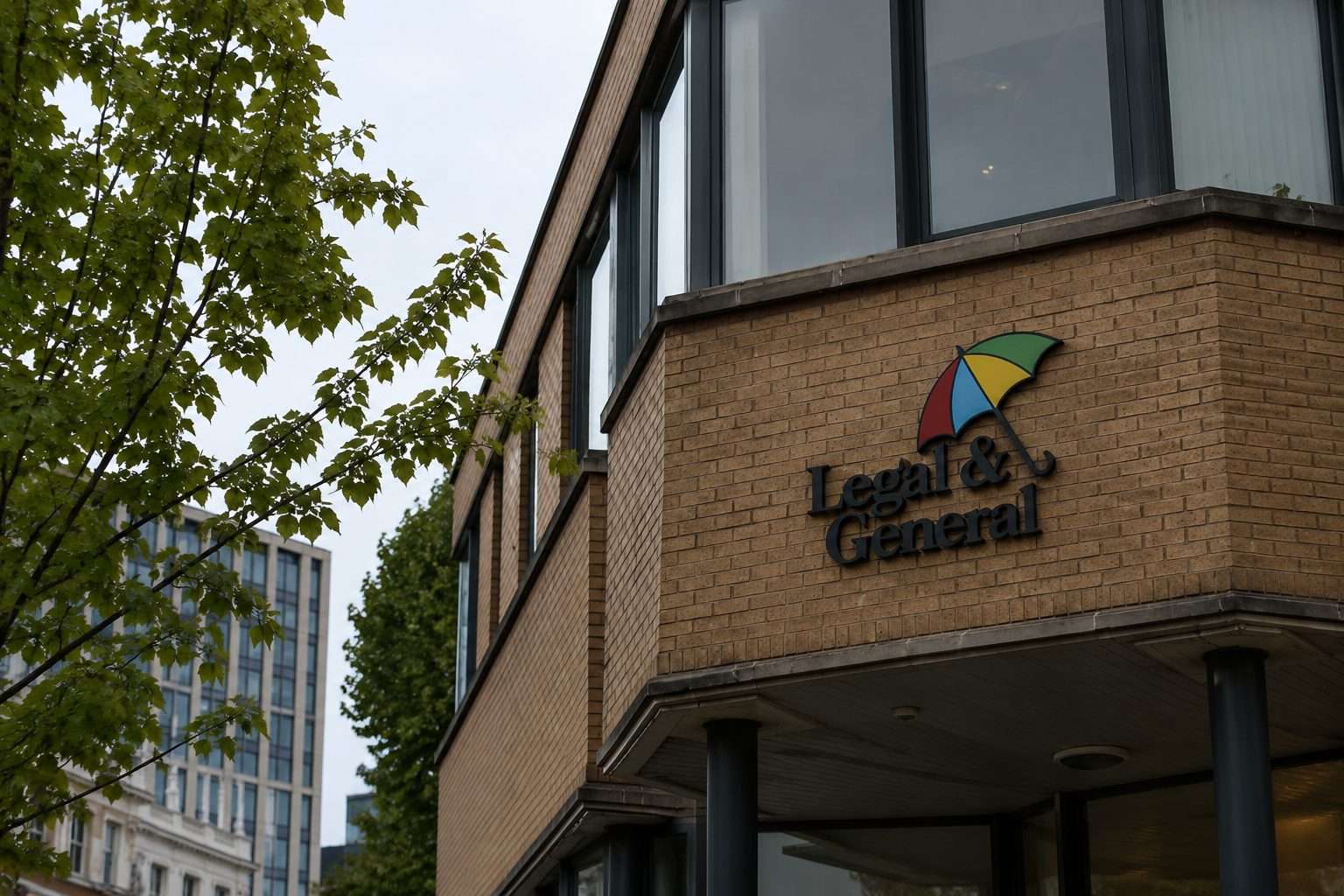
Legal & General Group Plc closed Friday off 1.1% at 269.20 pence. The FTSE 100 insurer slipped about 0.8% for the week as investors looked at its income draw versus rate risk in the UK. Shares hit 273.10p during the session. Volume totaled 37.24 million shares, according to Investing.com.
London trading was closed on Saturday. The London Stock Exchange is open Monday through Friday, 8:00 a.m. to 4:30 p.m. Friday’s closing level will be the reference for prices as the new week starts.
Why it matters now: L&G’s final dividend of 15.67p was paid out June 4, with AJ Bell showing the shares on an 8.09% yield—annual dividend as a percentage of price. That size of payout tends to attract income funds, but also means L&G is vulnerable if there’s any concern about capital strength, interest rates or the sustainability of future dividends.
The wider market stayed flat. Trading Economics had the UK blue-chip index at 10,368 on Friday, just 0.07% higher. L&G slipped 6.8% in the past four weeks but gained 5.1% over the year.
L&G traded between rivals on Friday, with Aviva down 0.79% and Prudential falling 2.48%. The two UK-listed insurers have different mixes of domestic retirement, insurance, and Asia life.
L&G is still leaning on its March capital return plan. The insurer reported 2025 core operating profit up 6% to £1.623 billion, and a 9% increase in core earnings per share. Pro forma Solvency II ratio was 210%. L&G also set out a £1.2 billion buyback. It showed £11.8 billion in global pension risk transfer deals, letting employers pass DB pension risk to L&G. CEO António Simões said L&G had made “meaningful progress in reshaping L&G.” Legal & General Group
BoE rate moves remain uncertain. Reuters said on Friday that traders think the Bank of England will keep Bank Rate at 3.75% this month, though they still look for one or maybe two quarter-point hikes later this year. Paul Dales, chief UK economist at Capital Economics, told Reuters that job market softness could block “second-round inflation effects”—price gains driving wages, then sending prices up again. Reuters
But it’s a straightforward risk. If oil jumps again or war news drives up inflation worries, gilt yields could spike, hitting insurers who have big retirement guarantees. Those stocks might get knocked on capital or valuation concerns. If the pension-risk-transfer market cools off, or competing firms with private money move in harder, the buyback and dividend would end up shouldering more pressure.
Bank of England’s next policy signal is set for June 18, when it will release its June Monetary Policy Committee summary and minutes at 12 p.m. London time. Until then, L&G’s Monday session looks more about rates, oil, and demand for high-yield UK financials after a flat and bumpy week, rather than company news.