
London, June 10, 2026, 11:08 BST
- Prudential traded at 913.4p/913.6p in London, off 0.26%. The stock fell harder on Tuesday.
- Investors worry that more controls on mainland Chinese funds coming through Hong Kong will hit demand for wealth and insurance products.
- Even with the ongoing buyback and a minor chair purchase, China/Hong Kong risk is still in focus.
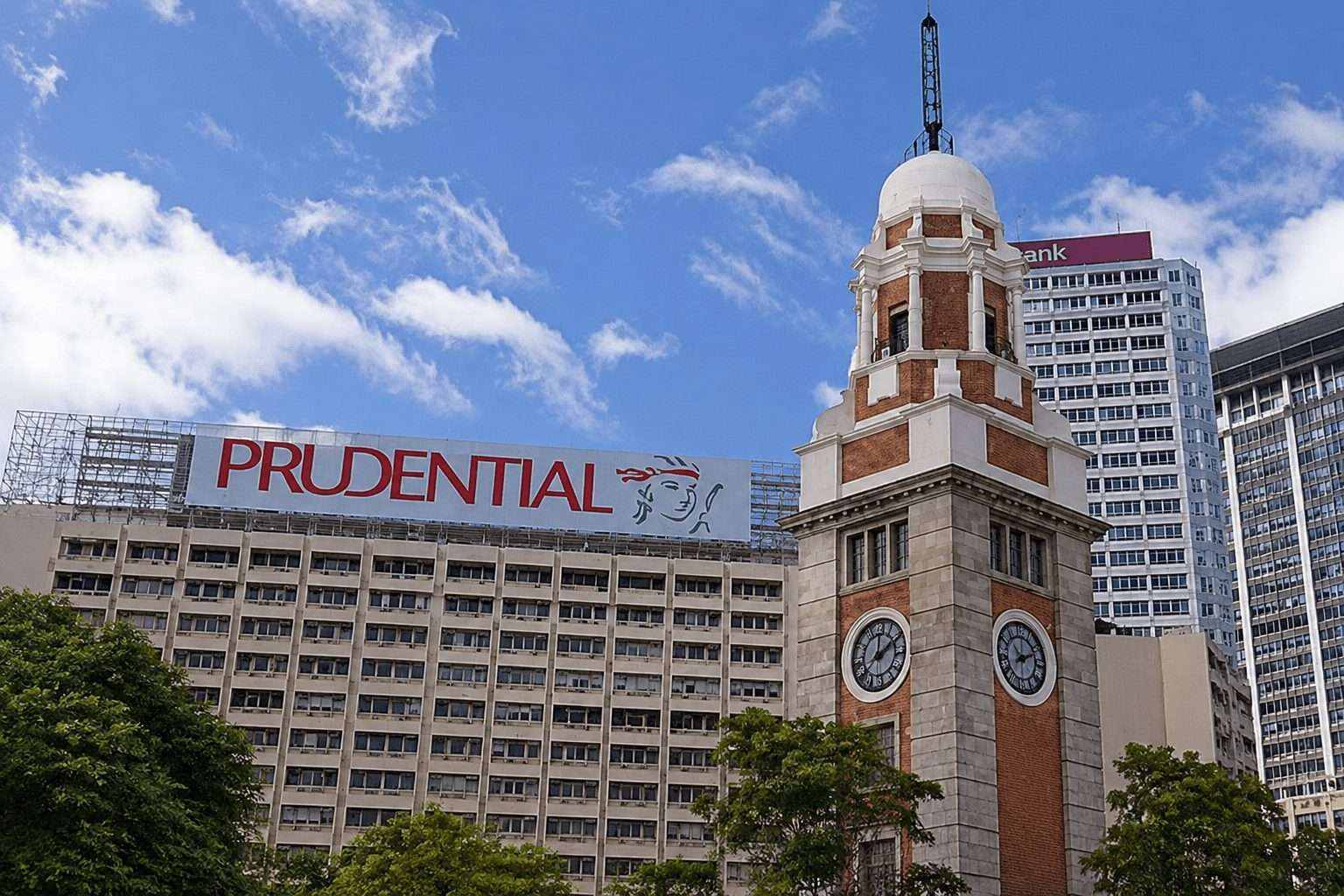
Prudential plc shares slipped in London on Wednesday. The Asia-focused insurer stayed under the microscope as investors considered whether more oversight of Chinese cash moving through Hong Kong might hit a main growth driver. Shares were at 913.4p to sell and 913.6p to buy, off 0.26%. Recent trades on AJ Bell showed 913.6p.
Prudential dropped 4.22% to £9.16 on Tuesday, lagging the FTSE 100, which slipped 1.41%. MarketWatch put share volume at 10.1 million, topping its 50-day average of 8.1 million. That uptick showed more activity during the fall.
Prudential’s latest operating numbers haven’t changed. The shift is in how the market is thinking about regulatory risk in Hong Kong, where banks, brokers, and insurers have been the go-to for offshore wealth moves by mainland Chinese investors. Reuters said this week that Chinese savers are now heading to Hong Kong after Beijing’s move against “illegal” cross-border trading. Futu, Tiger, and Longbridge will stop letting mainland clients open or add to positions and move money into accounts starting June 12. Reuters
The main focus for the crackdown is on brokerages and investment accounts, not on a new Prudential earnings report. Worries for Prudential come up anyway, since Hong Kong was its top profit driver in 2025. Recent growth at Prudential in the city has relied on both agency sales and insurance sold through bank channels.
HSBC, Standard Chartered and Prudential sank in London trading after local media reported mainland Chinese residents may see tighter rules on opening offshore accounts at big Hong Kong banks, Reuters reported June 4. Shares in Prudential, HSBC and Standard Chartered dropped from 5% to 6.3%, while AIA Group lost 6.8% in Hong Kong.
Prudential’s first-quarter numbers show the company’s sensitivity. New business profit was up 10% at constant exchange rates to $686 million, while annual premium equivalent sales gained 6% to $1.823 billion. Annual premium equivalent, or APE, takes recurring premiums and adds a tenth of single-premium sales. New business profit is Prudential’s projection of future profit from policies sold in the period.
Chief Executive Anil Wadhwani said then that Prudential had delivered “continued delivery of double digit new business profit growth” and was still confident about hitting double-digit growth in key financial metrics for 2026, as well as its 2027 targets. The market is now watching to see how much of this outlook ties back to cross-border demand through Hong Kong. Prudential PLC
Buybacks have provided some support, but Prudential shares have kept falling. In a June 8 filing, Prudential said it bought back 1,992,162 ordinary shares between June 1 and June 5 via JP Morgan Securities. Prices averaged between £9.6847 and £10.7294. The company will cancel the shares. Prudential has now purchased 36.9 million shares since starting the buyback on January 6, paying an average 1,116.3518p per share.
Prudential’s wider programme is large. Back in January, the company said it would run a $1.2 billion buyback in 2026 to cut issued share capital and pay cash back to shareholders. Prudential said it aimed to finish by December 18, 2026, but said the pace and timing will depend on markets.
Board moves sent their own signal. Alliance News said Chair Douglas Flint picked up 12,000 Prudential shares at HK$100.34 each on Friday, for about £114,720. Director buying is sometimes seen as a confidence sign, but the market still has questions on Hong Kong policy risk.
Prudential’s balance sheet isn’t what’s driving the divide among analysts—it’s the question of whether China’s Decree 837 will apply to investment-linked insurance products. JPMorgan’s Farooq Hanif called it a bear case scenario, per Proactive Investors, but said clarity could be good for Prudential. “We still believe clarification on this matter could be positive for Pru,” Hanif said. Even if the tough case plays out, he argued, Prudential’s shares still look cheap. Proactiveinvestors NA
There’s a risk that tougher banking and securities checks will slow demand from mainland visitors for Hong Kong financial products, which could hurt Prudential’s new business just as investors are paying up for Asia growth. But Reuters reported that Hong Kong brokers and banks are still able to serve Chinese clients who have mainland identity documents, though checks are tighter, and China’s securities regulator has said accounts won’t be forced to close or liquidate.
Regulatory clarification is the next thing to watch, especially as markets wait to see if investment-linked insurance policies get pulled into the new rules, and what happens after the June 12 broker-service cutoffs hit mainland clients. Without more detail, Prudential’s buyback could help with the share count, but the stock price looks set to move on Hong Kong fund-flow headlines.