
LONDON, June 10, 2026, 13:02 BST
- Shell’s London shares were quoted higher at 3,192.5p/3,193.5p, up 10p, after falling sharply on Tuesday.
- Oil stayed near $91 a barrel as renewed U.S.-Iran fighting kept supply-risk fears alive, even after earlier gains faded.
- The bigger investor debate is whether today’s oil-risk premium lasts long enough to support Shell’s buyback, dividend and Q2 cash flow.
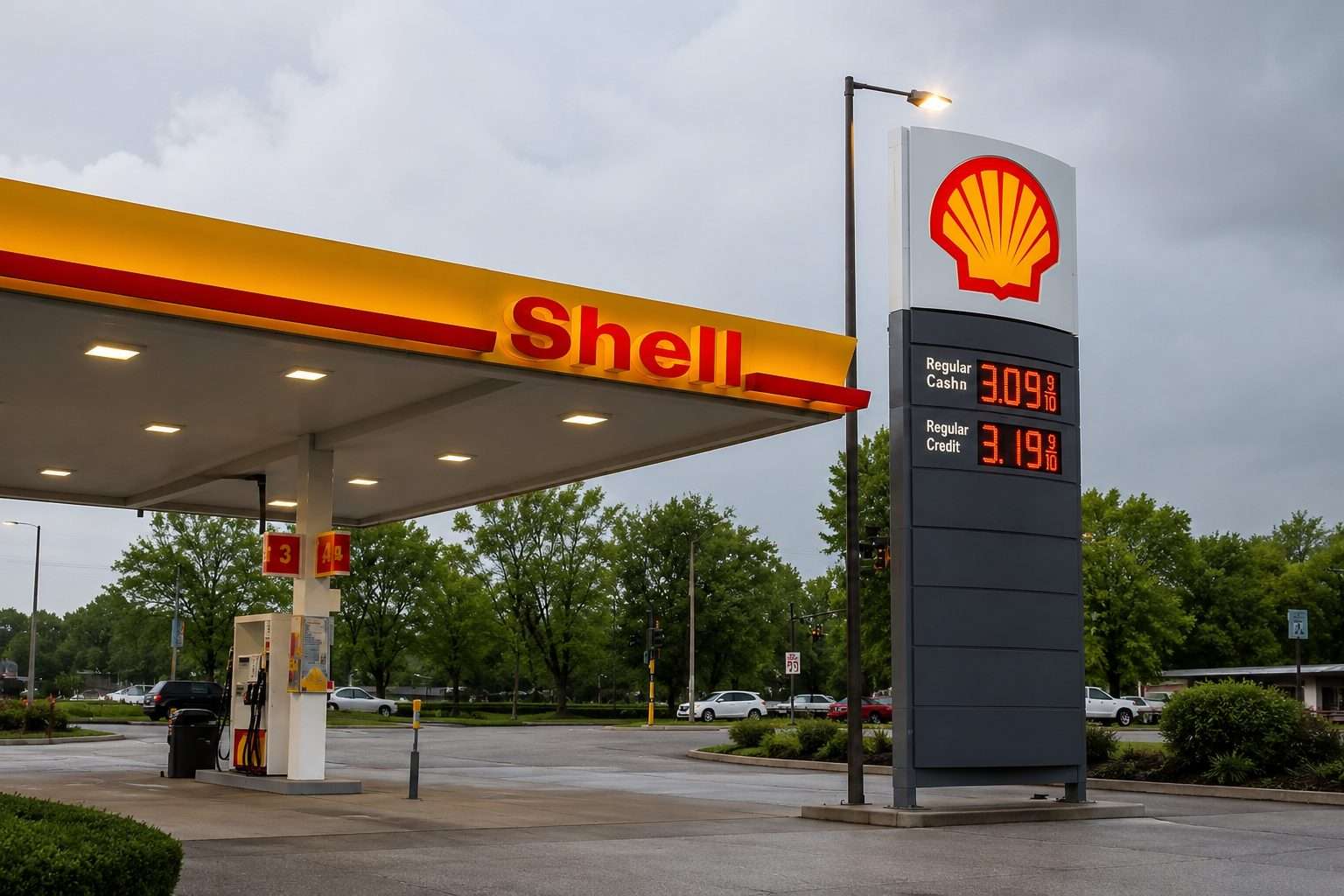
Shell Plc shares edged higher in London on Wednesday, clawing back a small part of Tuesday’s selloff, after renewed tension around Middle East supply and fresh comments from Chief Executive Wael Sawan gave investors a reason to revisit the oil major’s cash-flow story. Hargreaves Lansdown showed Shell at 3,192.5p to sell and 3,193.5p to buy, up 10p, or 0.31%, from a previous close of 3,182.5p.
The move was modest. That matters. Shell had dropped 1.87% on Tuesday to £31.83, underperforming a weak FTSE 100 session, according to MarketWatch. The stock was also still well below its June 4 high of £37.59, a reminder that investors are no longer simply chasing every oil-price spike.
What changed today was the tone around crude. Brent futures were around $91.24 a barrel at 1008 GMT, Reuters reported, after trading higher earlier when fresh U.S.-Iran hostilities pushed supply disruption back onto traders’ screens. A geopolitical risk premium — the extra amount buyers pay when they fear war, sanctions or shipping disruption could reduce supply — has returned to the oil market, even if prices are not surging the way they did earlier in the conflict.
Shell is one of the cleanest UK stock-market read-throughs from that shift because its earnings are heavily tied to oil, gas, refining and trading. Reuters reported that Iran has continued to block most shipping through the Strait of Hormuz, a route that normally carries about a fifth of the world’s crude oil and liquefied natural gas. For Shell investors, that chokepoint is not an abstract map reference. It affects prices, trading opportunities and, in some cases, physical operations.
The market also had a Shell-specific headline to digest. Speaking at the WSJ Leadership Institute CEO Summit, Sawan said oil and gas prices were likely to keep rising beyond the immediate conflict pressure. “Prices are going to move up,” he said, adding that this was “the story of five to ten years” ahead; he also said, “All the easy oil and gas has been found.” The Wall Street Journal
That message lands neatly with Shell’s current investor pitch. In May, the company said first-quarter adjusted earnings were just under $7 billion and cash flow from operations, excluding working capital, was more than $17 billion. Cash flow from operations means the cash generated by the business before financing and investment decisions; Shell’s working-capital outflow was about $11 billion, reflecting higher commodity prices hitting inventory and receivables.
The stock is also being supported by a live buyback. A buyback is when a company repurchases its own shares, often cancelling them, which can lift earnings per share if profits hold steady. Shell said on Wednesday that it bought 1.05 million shares on the London Stock Exchange and 200,000 shares on Chi-X on June 9 for cancellation, part of the programme announced on May 7.
That programme is worth $3 billion over roughly three months and is intended to reduce Shell’s issued share capital, with purchases due to run up to July 24, subject to the programme’s limits. The company said all repurchased shares under the programme would be cancelled.
There is a catch. Higher crude prices can help Shell’s upstream and trading businesses, but they can also hurt demand, raise inflation pressure and complicate interest-rate expectations. Reuters quoted Priyanka Sachdeva, senior market analyst at Phillip Nova, as saying the latest military exchanges had “reintroduced a geopolitical risk premium into oil markets.” That premium can disappear quickly if shipping routes reopen or diplomacy makes progress. Reuters
Shell has its own operational exposure, too. In its Q1 presentation, Chief Financial Officer Sinead Gorman said the Middle East accounts for around one-fifth of Shell’s hydrocarbon production, although impacts varied by country. She also said Pearl GTL Train Two in Qatar had been damaged and was expected to take around a year to return to service, while other Qatar-linked assets were start-up ready subject to the ability to move products through the Strait of Hormuz.
That is why Wednesday’s share move is less about a one-day oil tick and more about whether investors believe Shell can turn volatility into distributable cash. The next hard test is already dated: Shell plans to release second-quarter results and its second-quarter interim dividend announcement on July 30 at 07:00 BST. Between now and then, the stock’s main catalyst is the same risk hanging over crude — whether the Hormuz disruption keeps supporting prices, or fades before Shell’s buyback and Q2 cash flow can fully benefit.