
Sydney, June 11, 2026, 03:02 (AEST)
- CSL finished at A$102.95, gaining 3.5% from its last close at A$99.47.
- The move higher happened as investors shifted into defensive healthcare names. CSL did not issue any new operating upgrade.
- CSL’s next big moment comes with its full-year update on August 18. Investors are watching to see if May’s downgrade was the low point in the reset.
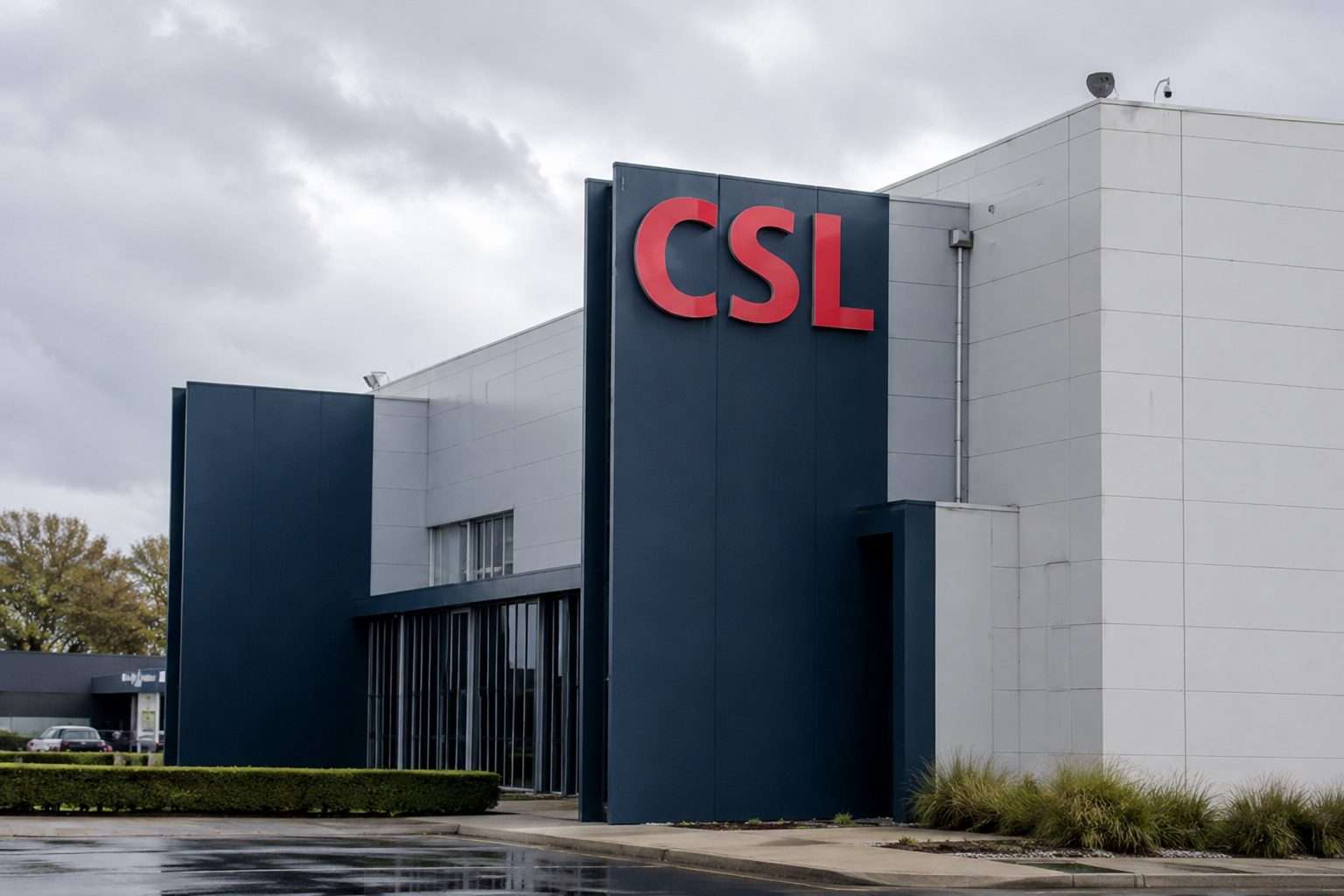
CSL Limited traded back above the A$100 mark on Wednesday as the stock picked up after last month’s profit warning. Buyers moved into healthcare names and checked if CSL’s reset had been digested by the market. CSL closed at A$102.95, gaining 3.5% from Tuesday’s A$99.47 finish.
CSL’s jump wasn’t just a routine bounce. Market Index puts the stock up more than 14% from its June 3 low, and Intelligent Investor numbers have it gaining 11.23% over the last seven days. Still, CSL shares are off 42.67% in 2026, pointing to the drop in investor confidence.
Defensive stocks drew buyers after a broader shift in the market. The S&P/ASX 200 added 0.57% to 8,653.3 on Wednesday, with healthcare up 0.88%. According to Market Index, new US-Iran strikes had money moving to supermarkets, healthcare, real estate and utilities, while tech and materials slipped.
CSL picked up on the sector rotation. Cochlear added 2.2% and Ramsay Health Care finished up 2.1%. Wednesday’s jump looks sector-wide, not just a CSL story.
CSL shares jumped, but the company didn’t deliver any new operating upgrade to explain the move. The most recent ASX news from CSL is an Appendix 3H filed on June 9. That filing covered 25,533 lapsed rights, just a regular securities update. No fresh numbers on revenue, profit, or guidance.
May’s downgrade now sets the tone for CSL. The company lowered FY26 revenue guidance to around US$15.2 billion, with NPATA expected near US$3.1 billion, not counting restructuring costs and impairments. NPATA, or net profit after tax and amortisation, takes out amortisation charges. CSL gave the guidance using constant currency, so exchange-rate moves aren’t included.
CSL flagged direct revenue hits. The group estimated about US$300 million in U.S. immunoglobulin revenue would be lost as channel inventory normalises, and pressure in China albumin would cut another US$200 million. Other items, like the war in the Middle East, changed HEMGENIX growth, and iron rivals, would drag on revenue by roughly US$150 million. Immunoglobulin is a plasma therapy for immune issues, and albumin is also a plasma product used in medical care.
CSL said it expects around US$5 billion more in non-cash pre-tax impairments over FY26 and FY27. The company described these impairments as writedowns taken when assets are considered overvalued on the books. CSL cited CSL Vifor intangible assets and property, plant and equipment that are not being used much.
CSL interim CEO Gordon Naylor tried to separate the company’s short-term results from its main business. “Our growth initiatives are working, but the financial benefits will take longer than previously anticipated to materialise,” he said in the May update.
Bulls are watching to see if the market finds the reset tough enough. CSL said it is still looking for second-half revenue growth at CSL Behring, with ongoing demand and delivery, and now expects a slightly better FY26 from CSL Seqirus than it had forecast before.
Broker views on the stock are divided. On June 10, UBS kept its Buy rating but cut the target price to A$158 from A$175, according to Investing.com. Jefferies, Citi and RBC Capital are all Hold after their own recent cuts. The data put the average 12-month price target at A$140.68 from 16 analysts—seven say Buy, nine say Hold, none say Sell.
Wednesday’s rally might just be a relief bounce. If U.S. immunoglobulin destocking drags out, China albumin prices fall more, Vifor writedowns keep growing, or the permanent CEO search keeps dragging, CSL could stay stuck between a low valuation and weak confidence in earnings.
CSL’s next test comes with its FY26 full-year result on August 18. The company has said it will give a full rundown on financial and operational performance and provide an update on impairments. For now, that report is more important than the current recovery. Investors are looking for proof the A$90 low was a bottom, not a setup for another round of lower guidance.